Pubic hair appears with puberty hormones and is thought to reduce friction and protect the skin in the area.
Function
Pubic hair appears with puberty, driven by androgens (testosterone and DHT). It typically starts at ages 8 to 14 for girls and 9 to 15 for boys.
Purpose theories
- Reduces friction during movement and sex.
- Protects skin from irritation and bacteria.
- Traps pheromones and scent from glands.
- Provides warmth and a cushion.
Sign of puberty
Pubic hair is one of the Tanner stage markers.
Grooming
Optional. Shaving or waxing can cause irritation, ingrown hairs and infections. The CDC and studies found injuries from grooming are common.
Health
Pubic hair does not need to be removed for hygiene.
Early puberty

See a pediatrician if hair appears before age 8 in girls or 9 in boys.
Pubic hair in biology
Pubic hair appears during puberty, driven by androgen hormones such as testosterone and DHT, along with hair in the armpits. It grows in the genital area and lower abdomen.
Proposed functions
- Friction reduction: hair may reduce skin to skin chafing during movement.
- Protection: it acts as a partial barrier to dirt and some microbes.
- Scent: hair traps pheromone like substances and sweat from apocrine glands, and may help carry scent.
- Temperature and moisture: hair may help manage moisture.
Researchers do not agree on one purpose, and some functions are still debated.
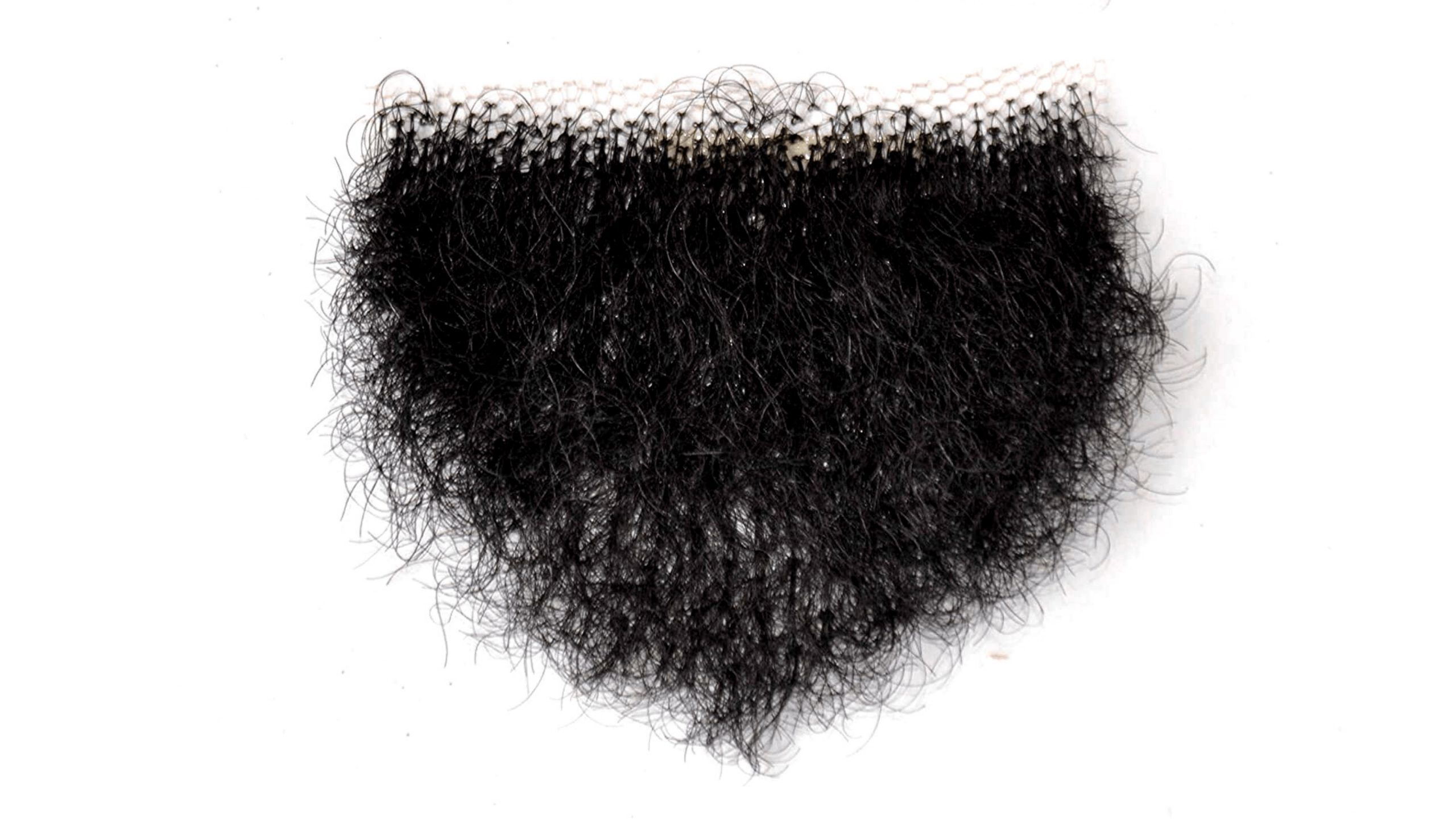
Puberty timing
In girls, pubic hair often appears between ages 8 and 13, and in boys between 9 and 14. This is called pubarche. Pubic hair before age 8 in girls or age 9 in boys can be a sign of early puberty and should be assessed by a pediatrician.
Tanner stages
Doctors use the Tanner scale from stage 1 (no hair) to stage 5 (adult pattern) to describe development.
Removing pubic hair
Grooming is a personal choice. Methods include trimming, shaving, waxing, laser removal and depilatory creams. Risks include cuts, ingrown hairs, folliculitis and, rarely, infections. A 2017 study in JAMA Dermatology found that about 25% of those who groom had a grooming related injury.
Hygiene
Pubic hair does not make a person unclean. Washing with mild soap and water is sufficient.
STI note
Grooming can cause tiny skin tears, and one study linked grooming with higher reports of some infections, though other factors matter.
Biology and development
Pubic hair appears during puberty, driven by androgens such as DHEA and testosterone from the adrenal glands and gonads. First growth, called pubarche, usually begins between ages 8 and 14, and it is staged by the Tanner scale from stage 1 (none) to stage 5 (adult pattern). Proposed functions include reducing friction, trapping pheromone carrying sweat from apocrine glands and acting as a mild barrier to dirt and microbes, but evidence for these roles is limited, and scientists do not agree on a single purpose. Appearance before age 8 in girls or 9 in boys should be evaluated by a pediatrician.

Grooming and health
Removing pubic hair is a personal choice and not required for hygiene. Shaving, waxing and other methods can cause cuts, ingrown hairs, folliculitis and, with waxing, burns. Some studies found grooming linked with self reported sexually transmitted infections, but they cannot prove cause, and likely reflect differences in behavior or skin injury. Condoms and regular testing remain the main protection against STIs. Use clean razors, avoid sharing tools, and stop if irritation develops. See a clinician for persistent bumps, sores or itching.
Based on data from the American Academy of Pediatrics and the American Academy of Dermatology