Most cats poop once or twice a day. See a vet if your cat hasn’t pooped for more than 48 hours.
Typical frequency
Most healthy cats poop once or twice a day, though 1 every 24 to 36 hours can be normal.
Constipation
If a cat hasn’t pooped in 48 to 72 hours, or strains, it’s constipated and should see a vet.
Causes of constipation
Dehydration, low fiber, hairballs, megacolon, kidney disease or stress.
Diarrhea
Frequent loose stool needs attention if it lasts more than a day or two.
Normal stool
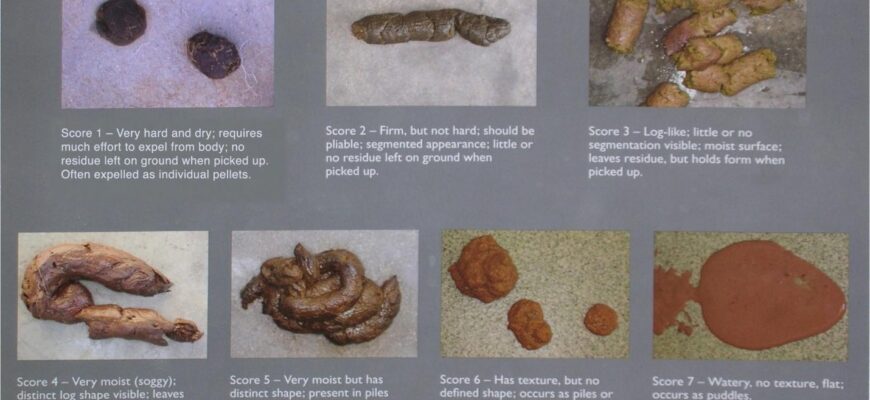
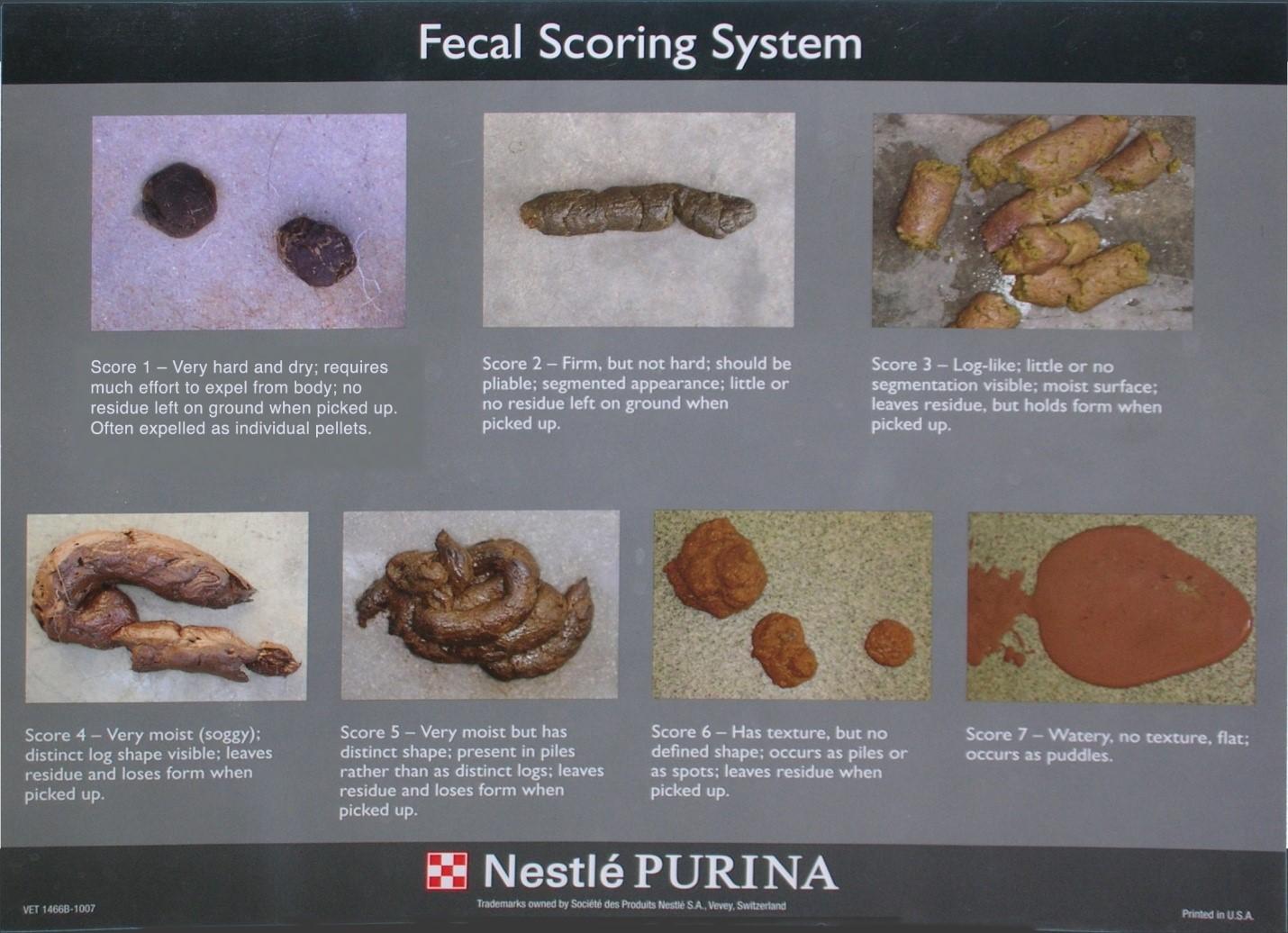
Brown, firm and log-shaped.
What helps
Wet food, water, fiber and exercise.
Emergency
Straining in the litter box with no urine in a male cat may be a blocked urethra, which is an emergency.
Litter
Keep it clean.
Typical frequency
Most healthy adult cats poop once or twice a day, though anywhere from every other day to twice a day can be normal. Kittens may go more often, up to 3 to 4 times a day. Stool should be firm, brown, sausage shaped, easy to scoop and have a moderate smell.
Constipation
Going more than 48 to 72 hours without a bowel movement, or straining in the box with small, hard, dry stools, suggests constipation. About 1 in 10 cats seen by a vet has constipation. Straining to pass urine can look similar, so check whether the cat is peeing. A male cat who strains and passes no urine could have a urinary blockage, which is a life-threatening emergency.
Causes of constipation
- Dehydration and low water intake, especially on dry food diets.
- Lack of fiber.
- Obesity and low activity.
- Hairballs.
- Arthritis or pain that makes squatting hard.
- Kidney disease, which causes dehydration.
- Megacolon, an enlarged colon that loses muscle function, mostly in older cats.
- Obstruction from tumors, foreign objects or pelvic fractures.
- Stress or a dirty litter box.
- Medications.
Diarrhea
Loose or watery stool or increased frequency is also a concern. Occasional soft stool can come from diet changes, stress or parasites. Diarrhea lasting over 24 to 48 hours, or with vomiting, blood, lethargy or weight loss, needs a vet visit.
Normal stool
Healthy stool is chocolate brown, firm and formed. Red streaks can mean bleeding in the lower colon, black tarry stool can signal upper gastrointestinal bleeding, and white rice-like segments around the anus are tapeworms.
What helps
- Encourage drinking with a fountain and wet food.
- Add fiber under veterinary guidance, such as canned pumpkin (1 teaspoon to 1 tablespoon a day).
- Keep the cat at a healthy weight and play daily.
- Brush to reduce hairballs.
- Never give human laxatives or enemas. Products with phosphate, such as Fleet enemas, are toxic to cats.
Emergency
Seek care right away if the cat cannot defecate or urinate, is vomiting, has a swollen belly, or is lethargic.
Litter
Keep the litter box clean, scoop daily, and provide one box per cat plus one extra, in quiet places.
Frequency numbers and litter box signs
Most healthy adult cats pass stool once or twice a day, and going every 24 to 36 hours is still within a normal range. Kittens may go 2 to 4 times daily. Normal stool is brown, formed, moist and holds its shape, much like a firm log. Constipation affects many older cats and shows as straining, small hard dry stools, crying in the box, or no stool for 48 to 72 hours. Causes include dehydration, low fiber, kidney disease, megacolon, pain from arthritis, hairballs and obesity. Moisture rich wet food, more water through fountains, brushing to reduce hair swallowing and play for exercise help. Do not give human laxatives or enemas, since some are toxic to cats. A cat that strains with no stool for over 2 days, vomits or seems lethargic needs the vet. A male cat straining in the box may have a urinary blockage, which is an emergency. Diarrhea lasting over 24 to 48 hours, or with blood, also calls for a vet visit.
Based on data from the American Veterinary Medical Association and International Cat Care







