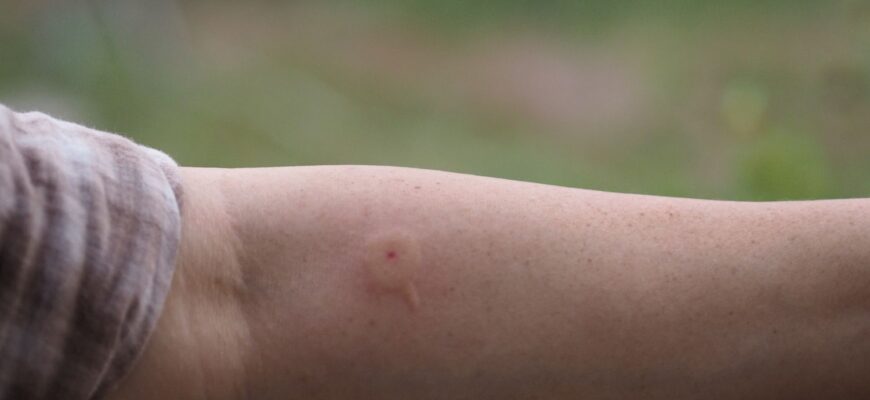
Scrape out any stinger (wasps usually do not leave one), wash the area, apply a cold pack, and take an antihistamine. Call 911 if you have trouble breathing or swelling of the face.
Steps
- Leave the area to avoid more stings.
- Wash with soap and water.
- Apply a cold pack for 10 minutes.
- Use an antihistamine or hydrocortisone cream.
- Elevate if swollen.
Stinger
Wasps usually do not leave a stinger and can sting repeatedly. Honeybees leave one.
Call 911
If you have trouble breathing, swelling of the face or throat, dizziness or hives. Use epinephrine if prescribed.
Wasps differ from bees
Wasps have smooth stingers and can sting multiple times, unlike honey bees whose barbed stinger usually stays in the skin. Wasp stings usually do not leave a stinger, but check for one.
Immediate care
- Move away from the nest, since wasps can release alarm pheromones and others may attack.
- Wash the area with soap and water.
- Apply a cold pack for 10 to 15 minutes.
- Elevate the limb.
- Take an antihistamine for itching and an over the counter pain reliever.
- Use hydrocortisone cream or calamine lotion.

Home remedies
Baking soda paste, or vinegar on a cloth, are popular, but the evidence of benefit is limited. Do not apply anything that irritates the skin.
Expected course
Pain lasts for a few hours. Swelling and redness peak at 24 to 48 hours and may last up to a week with a large local reaction.
Severe allergic reaction
Signs of anaphylaxis include hives, swelling of the face and throat, wheezing, trouble breathing, dizziness, vomiting, a fast pulse or fainting. Call 911. Use epinephrine if prescribed, and lie down with the legs raised.
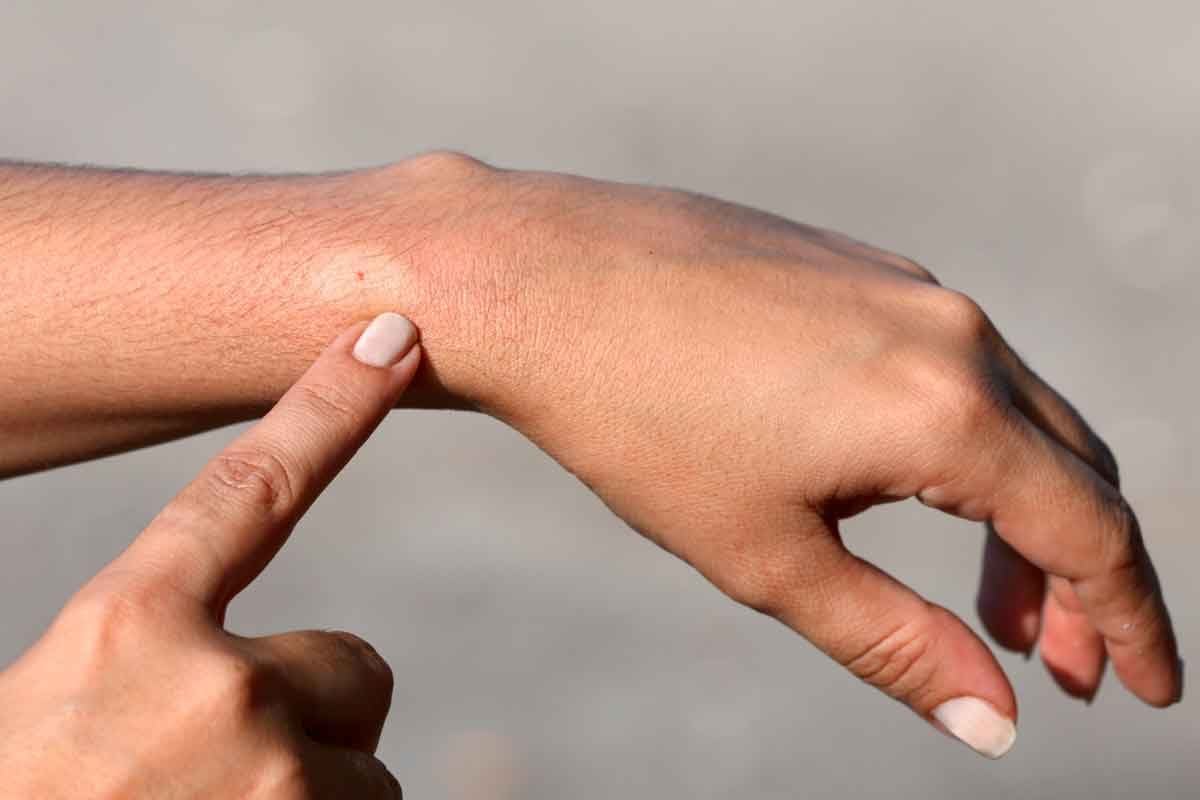
Multiple stings
More than 10 stings in a child or 50 in an adult can cause toxic reactions even in people who are not allergic, and need medical attention.
Stings in the mouth or throat
Swelling can block the airway, so seek emergency help.
Prevention
- Avoid swatting at wasps.
- Keep food and drinks covered outdoors.
- Wear closed shoes.
- Check outdoor furniture and trash cans for nests.
- Have nests removed by professionals.
Allergy testing
An allergist can test for venom allergy and offer immunotherapy that can reduce the risk of future reactions to under 5%.
First aid for wasp stings
Unlike honeybees, wasps and hornets can sting repeatedly because they do not leave their stinger behind. Move away from the nest to avoid more stings, wash the area with soap and water and apply a cold pack for 10 to 15 minutes. Elevate the limb, take an oral antihistamine for itching and ibuprofen or acetaminophen for pain. Baking soda paste or 1 percent hydrocortisone cream may soothe, but vinegar as a remedy has little evidence. Pain usually fades within hours, while swelling and itching can last several days.

Severe reactions and special cases
Call 911 for hives all over the body, swelling of the face or throat, wheezing, dizziness or fainting, and use an epinephrine auto-injector if available. Dozens of stings at once can cause toxic effects even in people who are not allergic. A sting inside the mouth or throat can cause swelling that blocks the airway and needs emergency care. If the wound becomes increasingly red, warm and painful after 2 days, it may be infected. Keep food and drinks covered outdoors and avoid disturbing nests.
Based on data from the Mayo Clinic and the American Academy of Allergy, Asthma and Immunology