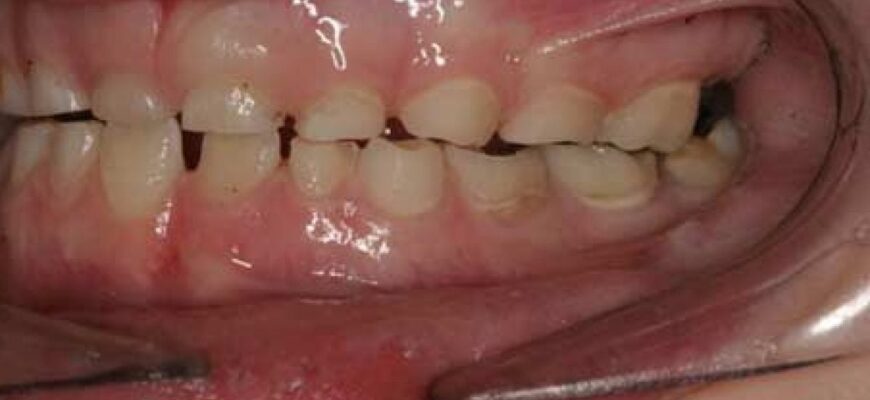
Grinding teeth in sleep (bruxism) is often linked to stress, anxiety, sleep disorders, or a misaligned bite. A dentist can provide a night guard.
Causes
- Stress and anxiety.
- Sleep disorders, especially obstructive sleep apnea.
- Misaligned teeth or bite.
- Caffeine, alcohol, smoking and some antidepressants (SSRIs).
Signs
Jaw soreness in the morning, headaches, worn or chipped teeth, and a partner hearing grinding.
Treatment
- A custom night guard from a dentist.
- Stress reduction and less caffeine and alcohol at night.
- Treating sleep apnea if present.
Sleep bruxism affects roughly 10% of adults and up to 30% of children.
What bruxism is
Sleep bruxism is grinding or clenching teeth during sleep. It is considered a sleep related movement disorder, and it happens during light sleep stages, often with brief arousals.
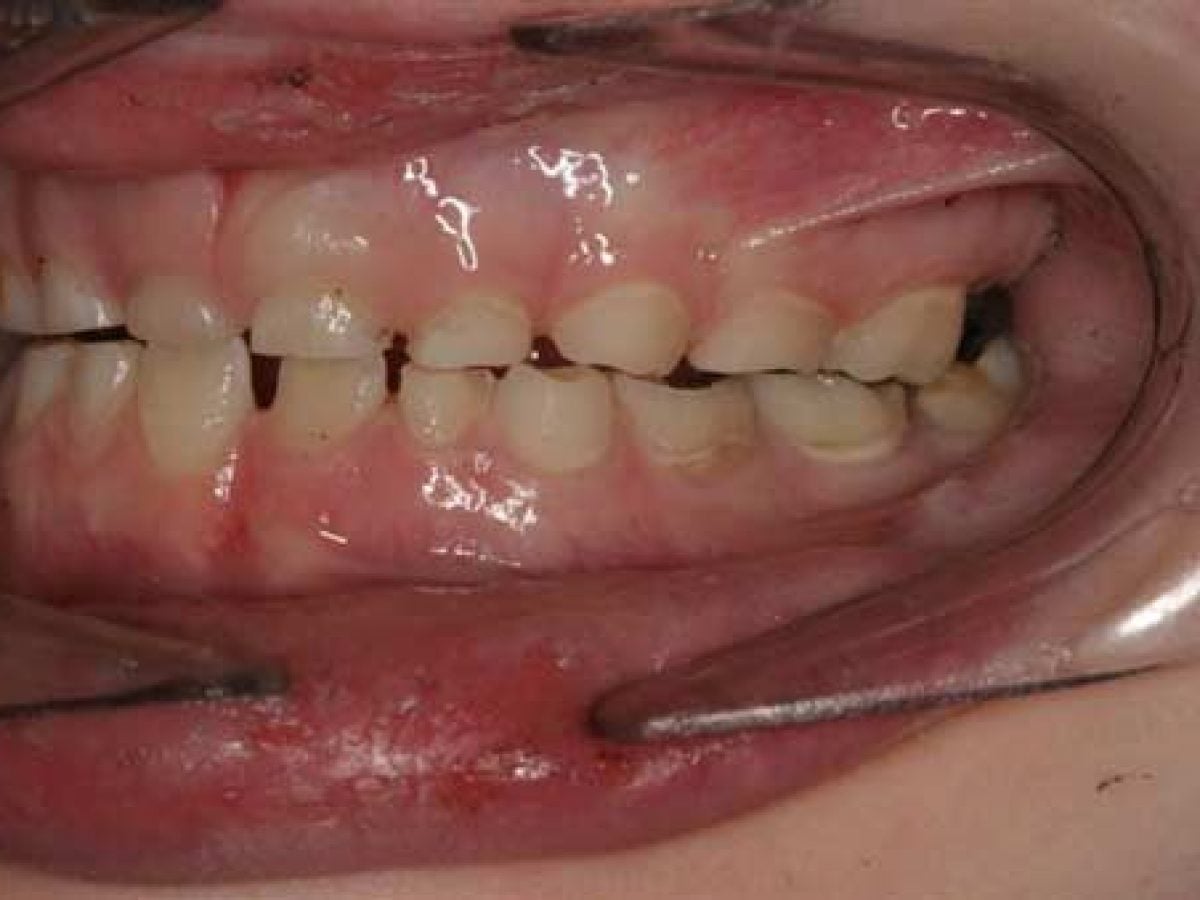
Prevalence
The American Academy of Sleep Medicine says it affects about 8% to 16% of adults and up to 15% to 40% of children, and many outgrow it.
Risk factors
- Stress and anxiety.
- Sleep apnea, as breathing events can trigger grinding.
- Caffeine, alcohol and smoking.
- Certain medications, such as SSRIs.
- Family history.
- Misaligned bite.
- Gastroesophageal reflux.
Symptoms
Morning jaw pain or stiffness, headaches, sore facial muscles, worn or chipped teeth, tooth sensitivity, earaches and a partner hearing grinding.
Dental damage
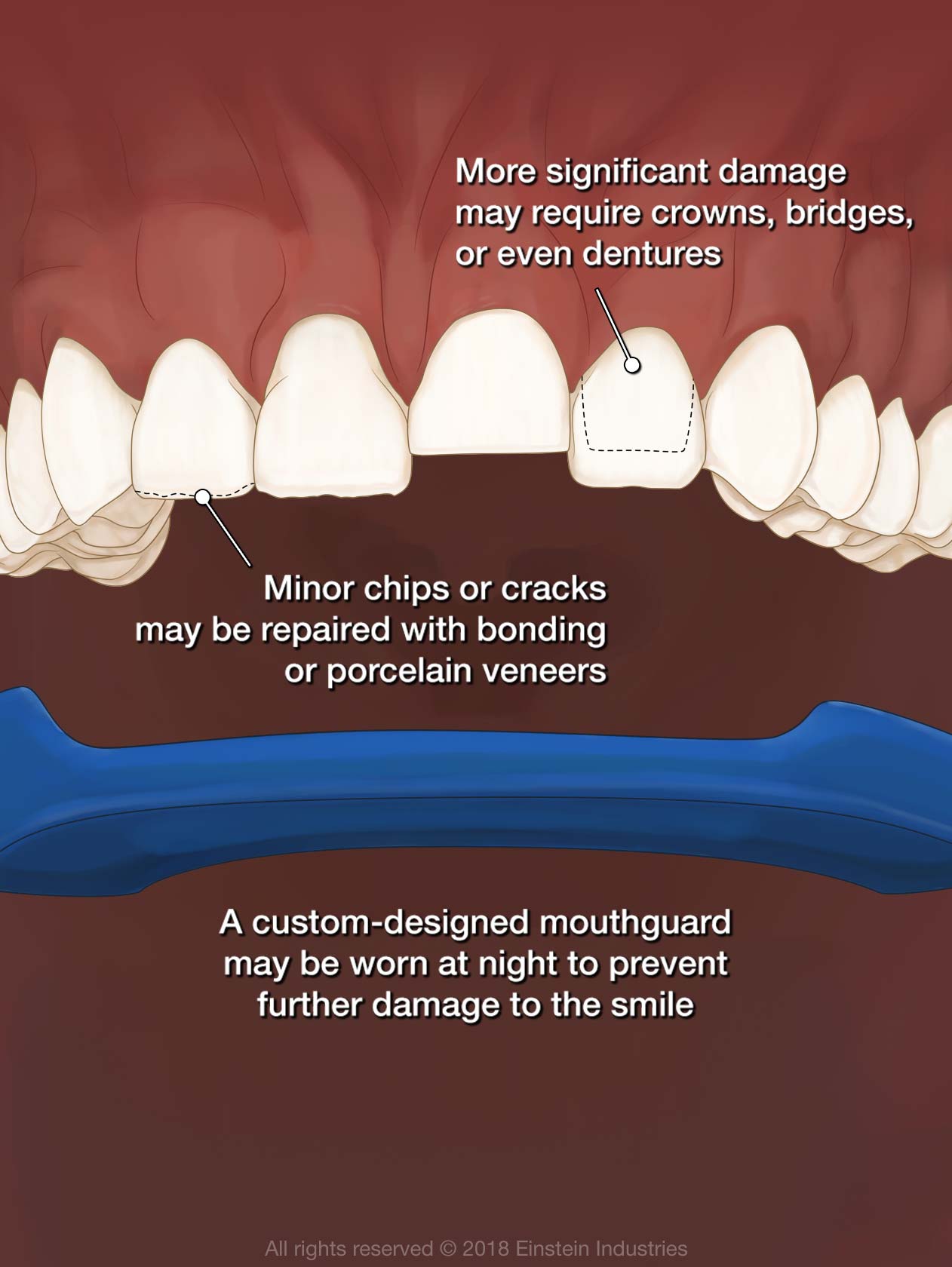
Over time, grinding can flatten teeth, crack fillings and cause temporomandibular joint (TMJ) problems. Forces during bruxism can be several times stronger than normal chewing.
Treatment
- A custom night guard, made by a dentist, protects teeth.
- Stress management, counseling and relaxation.
- Treating sleep apnea if present.
- Reducing caffeine and alcohol in the evening.
- Botulinum toxin injections to the masseter muscle in severe cases.
Daytime habits
Avoid chewing gum and pen biting. Practice resting your tongue on the roof of your mouth with lips closed and teeth apart.
When to see a dentist
See a dentist if you have jaw pain, worn teeth or headaches in the morning. An evaluation for sleep apnea may be recommended.
How common and why it happens
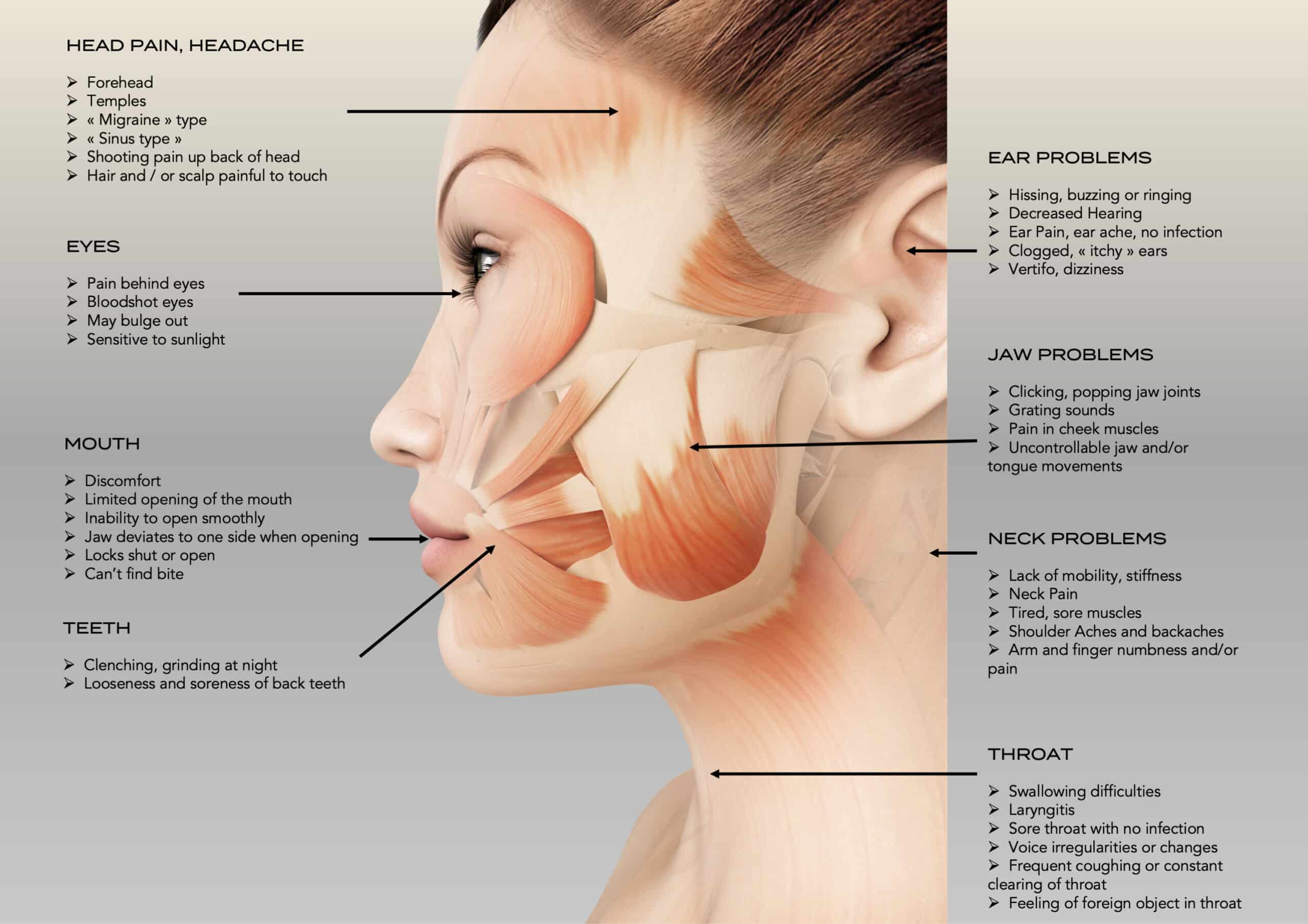
Bruxism is clenching or grinding of the teeth. Sleep bruxism affects about 13 percent of adults, and awake bruxism affects around 22 to 31 percent, according to dental research reviews. It is linked to stress and anxiety, sleep apnea, caffeine and alcohol use, smoking, some medicines such as SSRIs, and genetics. Many people do not know they grind until a partner hears it or a dentist finds worn enamel. Symptoms include morning jaw pain, headaches, tooth sensitivity, cracked teeth and a sore face.
Treatments
A custom night guard from a dentist protects teeth and costs about 300 to 800 USD, while store bought guards are cheaper but less durable. Stress management, reduced caffeine and alcohol and treating sleep apnea can reduce grinding. Botulinum toxin injections into the masseter muscle are used for severe cases. Avoid chewing gum and hard foods that tax the jaw. Untreated bruxism can wear enamel, damage restorations and contribute to temporomandibular disorders. See a dentist if you notice flattened or chipped teeth, jaw clicking or morning headaches.
Based on data from the American Dental Association and the American Academy of Sleep Medicine




