Armpit hair may reduce friction and help spread scent signals. Its exact purpose is uncertain.
Theories
- Reduces friction when moving the arms.
- Holds scent and pheromones.
- Wicks sweat.
Evidence
The exact purpose is uncertain.
Odor
Bacteria break sweat down, and hair holds odor.
Removing it
Shaving or waxing is a personal choice. It doesn’t harm health.
Appears at
Puberty, driven by androgens.
Sweat glands and scent

The armpits have apocrine glands that become active at puberty, producing a sweat that bacteria on the skin break down, creating body odor. Hair may help spread and hold scent molecules.
Theories
- Friction reduction: hair may reduce chafing as the arms move.
- Scent signals: underarm odor may convey chemical signals about identity or reproductive status.
- Moisture wicking: hair can carry sweat to the surface for evaporation.
- Protection of lymph nodes and skin.
None has been conclusively proven.
Puberty
Underarm hair appears about 2 years after pubic hair, at around ages 9 to 15, driven by androgens.
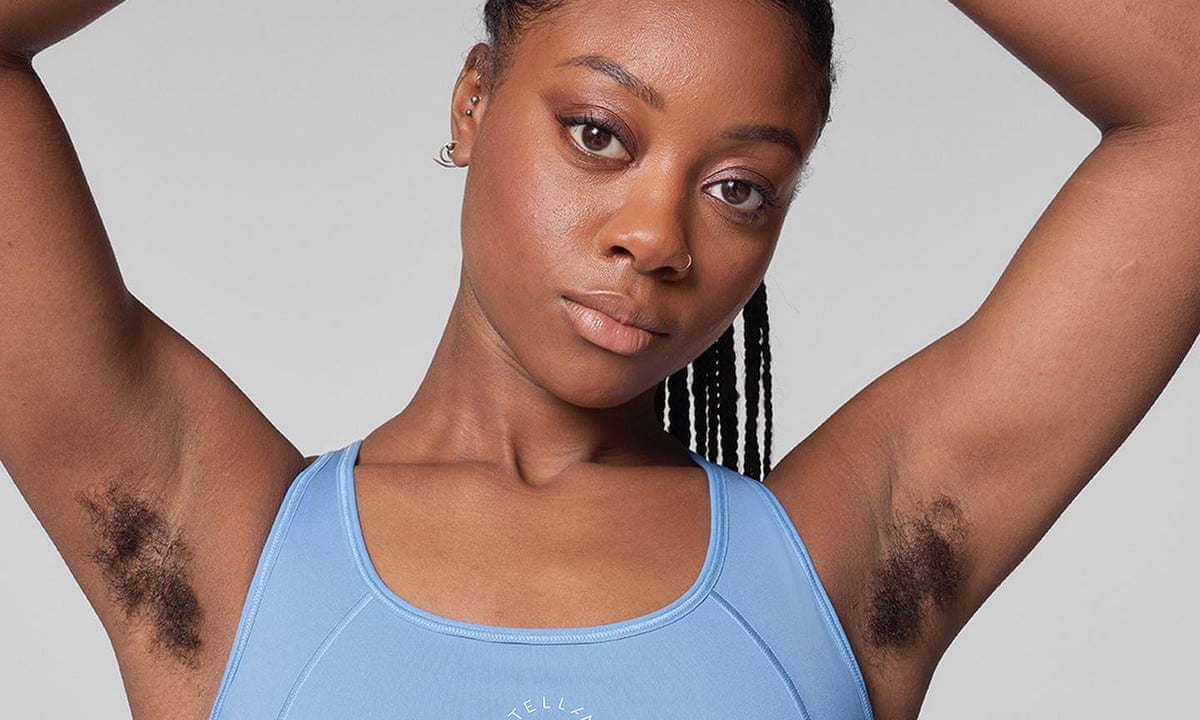
Shaving effects
Removing hair makes sweat evaporate faster and reduces the surface area for bacteria. Studies show less odor in shaved armpits, but the difference is small.
Hygiene
Wash daily, use antiperspirant (aluminum salts reduce sweating) or deodorant (kills or masks odor), and wear breathable fabrics.
Removal methods
- Shaving: quick, but may cause nicks and ingrown hairs.
- Waxing: lasts 3 to 6 weeks.
- Laser hair removal: reduces hair after multiple sessions.
- Depilatory creams: can irritate.
Choice
Removing or keeping underarm hair is a personal and cultural choice. In the US, the trend of women shaving armpits became widespread in the early 20th century after razor advertising by Gillette in 1915.
Hyperhidrosis
Excessive underarm sweating affects about 3% of people, and treatments include prescription antiperspirants, botulinum toxin injections or procedures.
Scent and friction
Armpit hair grows during puberty as androgens stimulate hair follicles, and the area contains many apocrine sweat glands. The hair provides a larger surface for sweat and bacteria to produce body odor molecules, and it may help spread scent, possibly playing a social or chemical signaling role, though how much for humans is unclear. Hair can also reduce skin friction when the arms move. Shaving does not change odor much, but removing hair can reduce bacteria hiding spots.

Hair removal and sweating
Removal methods include shaving, waxing, depilatory creams, laser and electrolysis. Shaving can cause razor burn and ingrown hairs, and waxing can cause irritation. Laser reduction is lasting for many people but needs several sessions. It is a personal choice, and hair is not unhygienic when washed. Deodorants mask odor and antiperspirants with aluminum salts reduce sweat. Excessive sweating beyond what is normal, called hyperhidrosis, affects 3 to 5 percent of people and can be treated by a dermatologist.
Based on data from the American Academy of Dermatology and the International Hyperhidrosis Society