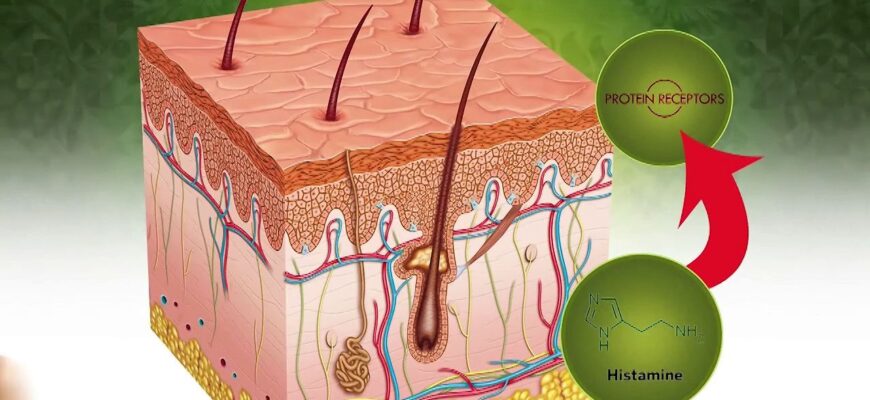
Scratching feels good because mild pain from scratching distracts the nerves from itch and triggers the release of serotonin.
Why it feels good
- Scratching causes mild pain that distracts nerves from itch.
- The brain releases serotonin to dampen pain, which can increase itch afterward.
- Dopamine and reward pathways make it pleasurable.
Itch-scratch cycle
Scratching causes inflammation and more itching. Excessive scratching can damage skin and lead to infection.
Research
A 2014 study (Washington University) found serotonin released by scratching intensifies itch signals.
What helps instead
- Cool compress.
- Moisturizer.
- Hydrocortisone cream.
- Antihistamines.
- Keep nails short.

See a doctor if
Itching is chronic, widespread or with rash.
Why it feels good
Scratching an itch relieves it because it triggers mild pain signals that override itch signals in the spinal cord. Itch and pain use overlapping nerve pathways. Research at Washington University (Zhou-Feng Chen) showed that scratching produces mild pain, which increases serotonin release in the spinal cord that, in a paradoxical way, can intensify the itch later. The brain also registers a reward when you scratch, with activation in regions involved in pleasure such as the striatum, according to brain imaging studies. A 2015 study found that scratching the back and ankles gave the most pleasure, with ankles rated more pleasurable than the back or forearm.
Itch-scratch cycle

Scratching may feel good for a moment but can worsen itching. Scratching damages the skin and releases inflammatory chemicals such as histamine and substance P. This creates a cycle of itch, scratch, damage and more itch. In people with eczema, this can lead to thick, leathery skin (lichenification) and infection.
Research
A 2014 study in Neuron identified spinal neurons that carry itch signals and are inhibited by scratch-induced pain. Another study in Science in 2013 showed that serotonin from the brainstem is involved in the itch intensification. Scientists are developing new medicines targeting these pathways, such as drugs that block IL-31 (nemolizumab) and IL-4/IL-13 (dupilumab) for chronic itch in eczema.
What helps instead
- Apply a cold pack or cool damp cloth.
- Use fragrance-free moisturizer, and apply after bathing.
- Apply 1% hydrocortisone cream or calamine lotion for short-term use.
- Take an oral antihistamine if it is an allergic itch, bearing in mind that sedating types can cause drowsiness.
- Keep fingernails short and wear gloves at night.
- Pat or tap the skin instead of scratching.
- Take lukewarm baths with colloidal oatmeal.
- Avoid known triggers like wool, hot water and harsh soaps.
See a doctor if
Itching lasts more than 2 weeks, affects the whole body without a rash, disrupts sleep, comes with weight loss, fatigue, jaundice or fever. Chronic itch can be caused by liver disease, kidney disease, thyroid problems, iron deficiency, medications and some cancers.

Itch nerve and brain science
Itch is carried by specialized nerve fibers, and scratching creates mild pain that interrupts the itch signal in the spinal cord. Scratching also triggers the release of serotonin in the central nervous system, which a 2014 study in the journal Neuron found can increase the itch signal in mice, helping explain the itch scratch cycle. Brain imaging has shown that scratching activates reward regions linked to pleasure. Chronic scratching can break the skin, cause infection, thickened skin (lichenification) and scarring. About 1 in 5 people experience chronic itch during their lifetime. Cool compresses, moisturizers, fragrance free soaps, oatmeal baths, antihistamines for allergic itch and 1 percent hydrocortisone cream may help. Keep nails short. Itch lasting more than 6 weeks, an itch all over the body without a rash, or itch with jaundice, weight loss or night sweats should be examined by a doctor for liver, kidney, thyroid or blood problems.
Based on data from the journal Neuron and the American Academy of Dermatology