An enlarged heart is caused by conditions that make the heart work harder, such as high blood pressure, coronary artery disease, valve problems, or cardiomyopathy.
Causes
- High blood pressure.
- Coronary artery disease and heart attack.
- Heart valve disease.
- Cardiomyopathy.
- Arrhythmias (atrial fibrillation).
- Congenital heart disease.
- Anemia, thyroid disease, pregnancy.
- Athletes’ heart (harmless).
Symptoms
Shortness of breath, fatigue, swelling and palpitations. Some people have none.
Diagnosis
Chest X-ray, echocardiogram, ECG.
Treatment
Treat the cause with medicines, lifestyle or surgery.
Prevention
Control blood pressure, exercise, limit salt and alcohol.
Emergency
Chest pain or severe breathlessness needs 911.
What an enlarged heart is
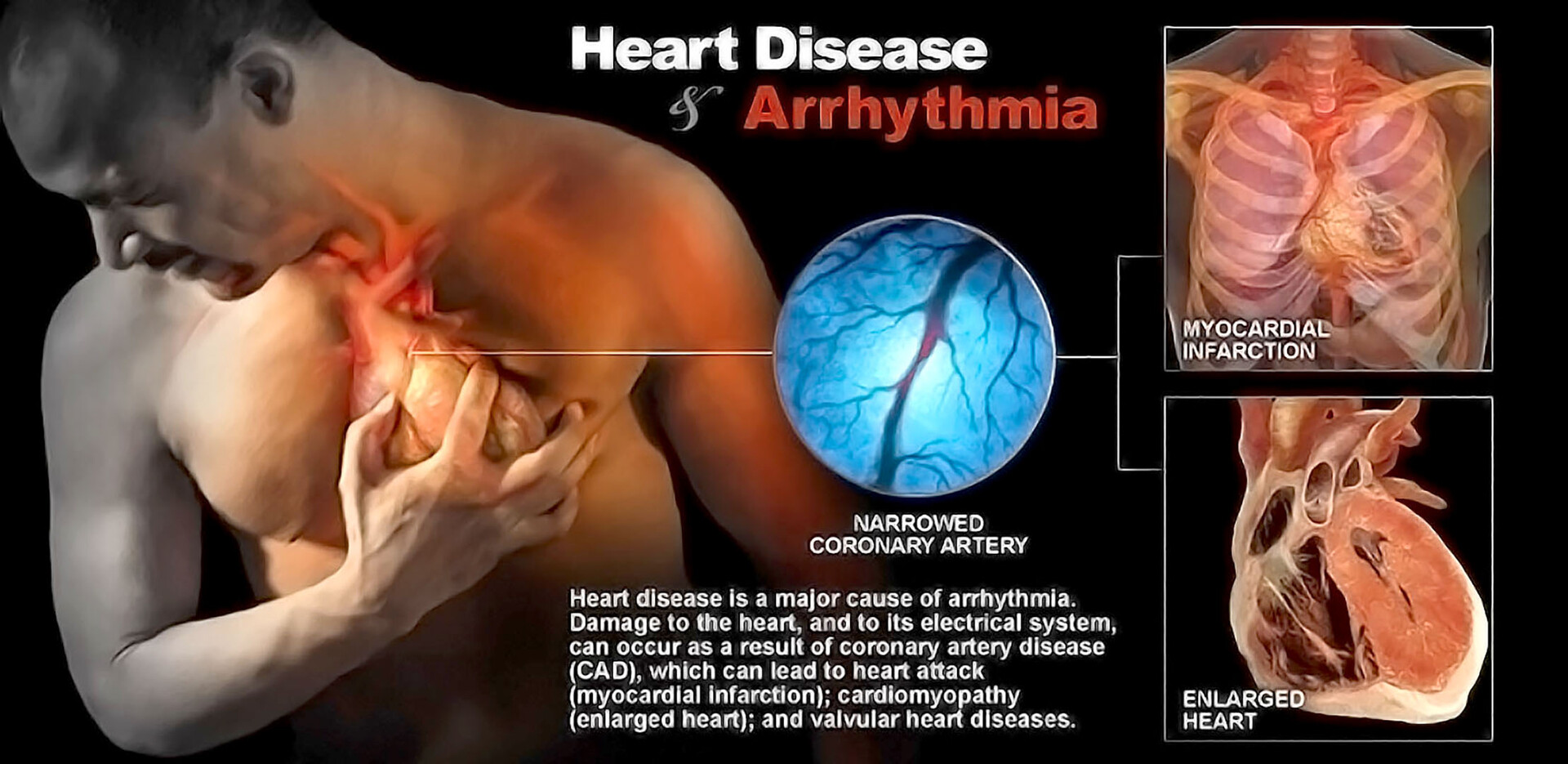
Cardiomegaly means the heart is bigger than normal. It is not a disease itself but a sign of another condition. The heart may thicken because it works harder, or stretch and weaken. A heart that is chronically enlarged can lose pumping efficiency and lead to heart failure, arrhythmias, blood clots and sudden cardiac arrest.
Main causes
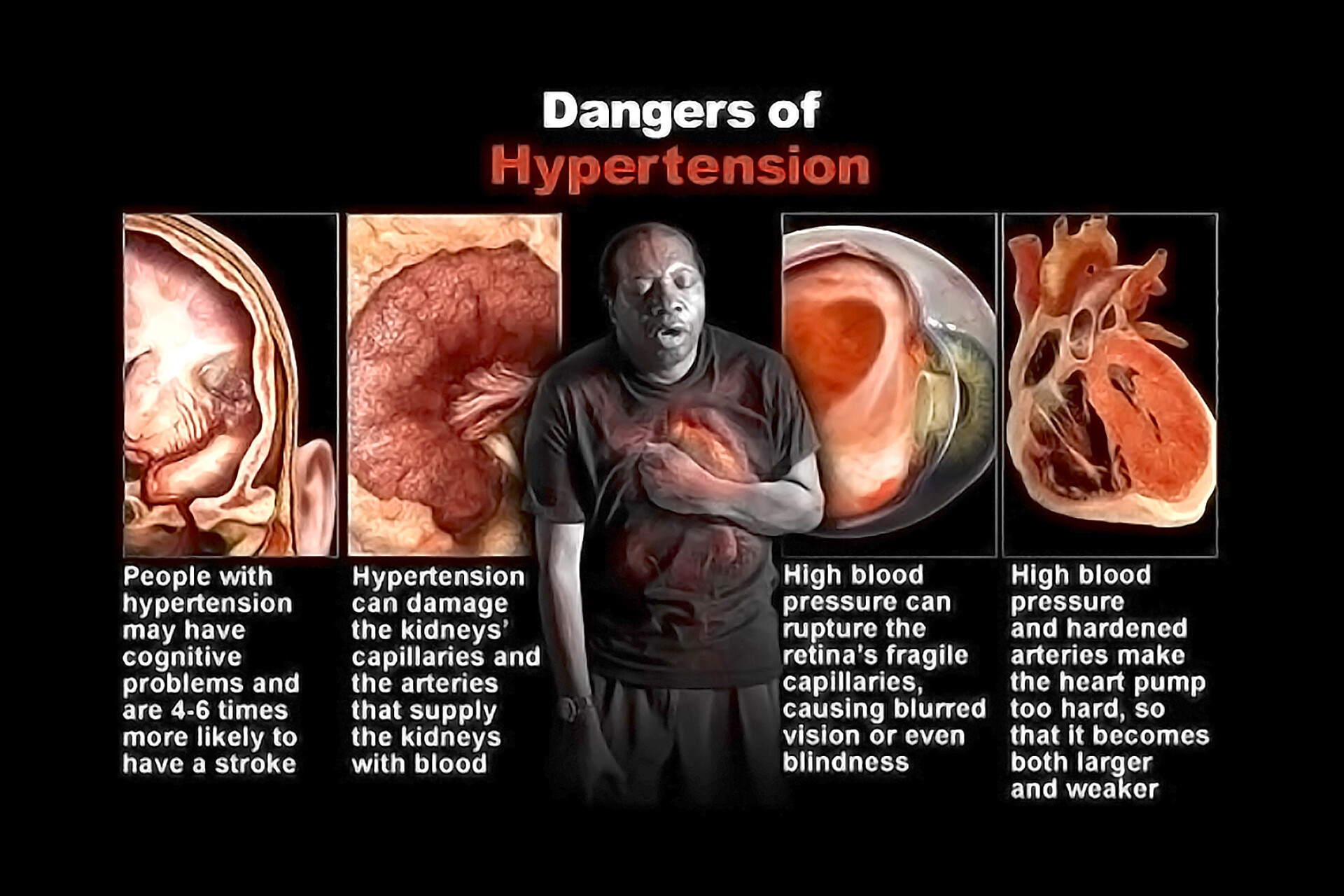
- High blood pressure, which makes the left ventricle thicken over time.
- Coronary artery disease and a prior heart attack.
- Heart valve disease.
- Cardiomyopathy, either inherited or caused by alcohol, drugs, viral infection or pregnancy.
- Long term abnormal heart rhythms such as atrial fibrillation.
- Anemia, thyroid disease and kidney disease.
- Congenital heart defects.
- Intense endurance training, which can cause a benign “athlete’s heart.”

Symptoms
Some people have none. Others notice shortness of breath, swelling in the legs and feet, fatigue, palpitations, dizziness, chest pain and coughing at night. Symptoms often worsen over months.
Diagnosis
- Chest X-ray, where heart width greater than half the chest width suggests enlargement.
- Echocardiogram, the key test, measuring chamber size, wall thickness and ejection fraction (normal 55% to 70%).
- ECG, Holter monitor, MRI and CT scan.
- Blood tests such as BNP, which rises with heart strain.
Treatment
Treat the cause. Common medicines include ACE inhibitors or ARBs, beta blockers, diuretics, and aldosterone blockers; newer drugs such as SGLT2 inhibitors also improve outcomes in heart failure. Blood thinners are used for atrial fibrillation. Valves can be repaired or replaced, and patients with dangerous rhythms may need a pacemaker or implantable defibrillator. In advanced cases, heart transplant is considered.
Prevention
- Control blood pressure, aiming under 130/80 for most adults.
- Do not smoke, limit alcohol and keep a healthy weight.
- Exercise most days and eat less sodium.
- Manage diabetes and cholesterol.
Emergency
Call 911 for chest pain, severe shortness of breath, fainting or a very fast heartbeat.
Conditions behind a large heart
Cardiomegaly is a sign, not a disease, and shows on a chest X-ray when the heart is more than 50 percent of the chest width. Causes include high blood pressure, coronary artery disease, heart valve disease, cardiomyopathy, arrhythmias such as atrial fibrillation, thyroid disease, anemia and pregnancy. Athletes can have physiologically enlarged hearts. Echocardiography measures chamber size and pumping function (ejection fraction, normal about 55 to 70 percent). Treatment targets the cause and includes ACE inhibitors, beta blockers, diuretics, devices and lifestyle changes like limiting sodium to under 2,300 mg per day.
Based on data from the American Heart Association and the Mayo Clinic