
Pale yellow discharge can be normal, but see a doctor if it is bright yellow or green, smelly, or comes with itching.
Normal or not
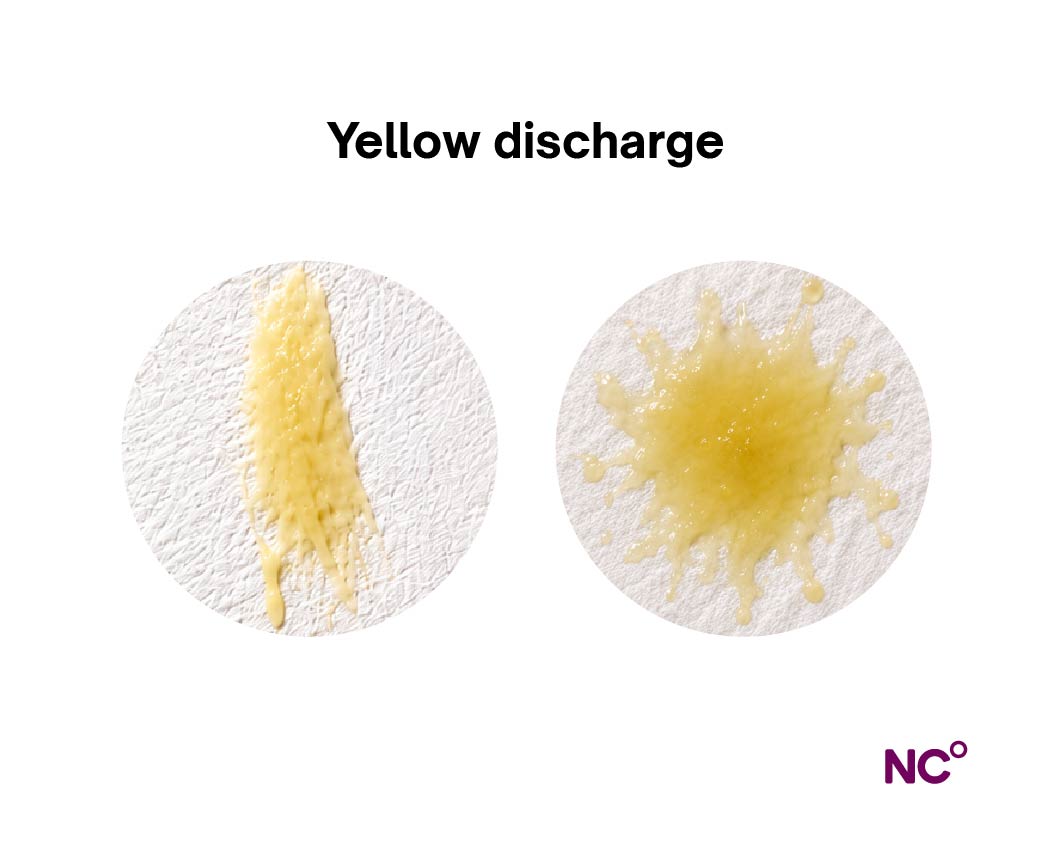
Pale yellow or creamy discharge can be normal, especially if it dries on underwear and has little smell.
Signs of infection
- Bright yellow or green color.
- Foul odor.
- Thick or frothy texture.
- Itching, burning, pain, or sores.
These can point to trichomoniasis, gonorrhea, chlamydia or bacterial vaginosis.
What to do
Wear cotton underwear, avoid douching, and see a doctor for testing if symptoms appear.
Pregnancy
See a provider for any change.
Sex
Use condoms and get tested for STIs. The CDC recommends yearly chlamydia and gonorrhea screening for sexually active women under 25.
Treatment
Antibiotics or antifungals, depending on the cause.
Normal or not
Vaginal discharge changes color through the cycle. Clear, white or off-white discharge is normal. A pale yellow tint can be normal too, especially when the discharge dries on underwear, or from vitamins like B12 and certain foods. Bright yellow, green, or thick yellow discharge with odor is usually a sign of infection.
Signs of infection
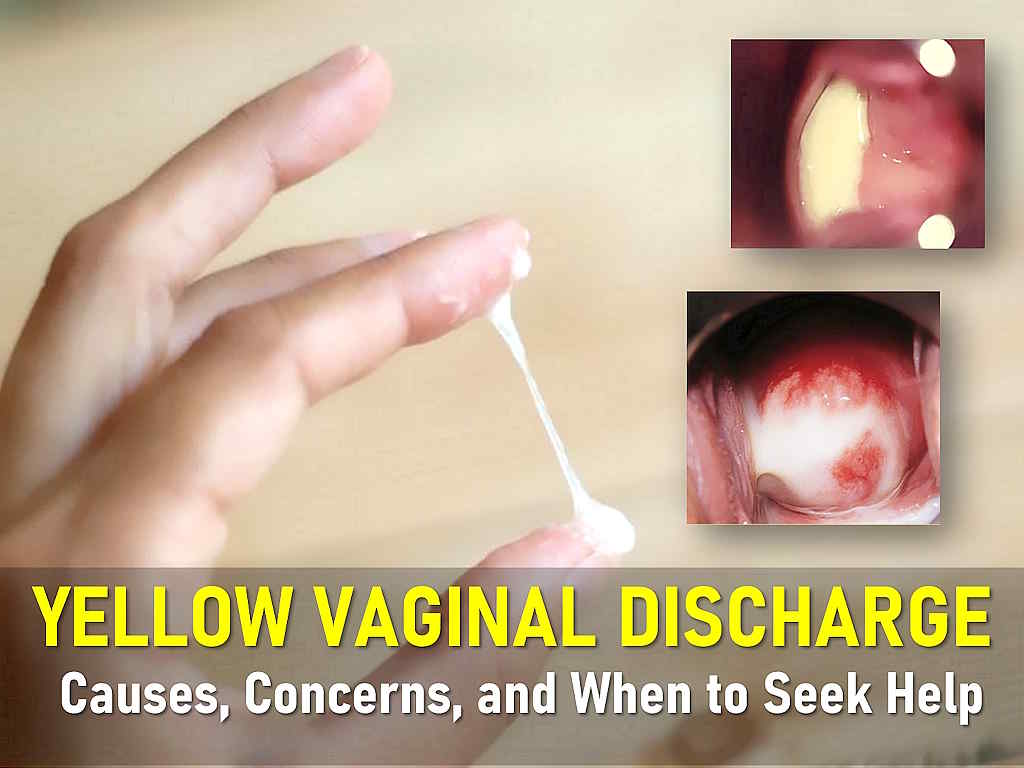
- Trichomoniasis: frothy yellow-green discharge with a strong odor, itching and pain urinating. It is the most common curable sexually transmitted infection, with about 2 million US cases a year.
- Chlamydia and gonorrhea: yellow or cloudy discharge, pelvic pain, bleeding between periods, pain with sex or urination, though many cases have no symptoms.
- Bacterial vaginosis: thin gray, white or yellowish discharge with a fishy smell.
- Pelvic inflammatory disease: discharge with lower abdominal pain, fever and pain with sex.
- Foreign object such as a forgotten tampon: foul, yellow-brown discharge.
Yeast infections usually cause thick white discharge, not yellow.
What to do
- Avoid douching and scented products, which upset the balance.
- Do not self-treat with yeast medicine unless you have been diagnosed before.
- See a healthcare provider for testing, usually a swab for pH, microscopic exam or lab test.
- Avoid sex until diagnosed to prevent spreading infection.
Pregnancy
Discharge increases in pregnancy. Yellow or green discharge with odor, itching or pain should be checked, since infections can raise the risk of preterm labor. Leaking clear fluid may be amniotic fluid; call your provider.
Sex
Semen and lubricants can change discharge color for a day or two. Condoms reduce the risk of infections.
Treatment
Trichomoniasis and bacterial vaginosis are treated with metronidazole or tinidazole. Chlamydia is treated with doxycycline, and gonorrhea with a ceftriaxone injection. Partners should be treated too. Untreated infections can cause infertility and ectopic pregnancy.

Vaginal discharge basics
Normal vaginal discharge ranges from clear to white and may look slightly yellow when it dries on underwear due to oxidation. The amount and texture vary with the menstrual cycle, with clear stretchy discharge around ovulation. Yellow or green discharge with a strong odor, itching, burning, pelvic pain or pain with sex may be due to infection, including trichomoniasis, gonorrhea or chlamydia. Trichomoniasis affects about 2 million Americans and is treated with metronidazole. Bacterial vaginosis is the most common vaginal condition in women aged 15 to 44, often causing a thin gray discharge and a fishy smell. A yeast infection usually causes thick white discharge like cottage cheese with itching. Do not douche, because it upsets vaginal balance. See a clinician for testing if the color is new, symptoms last more than a few days, or you are pregnant.
Based on data from the CDC and ACOG