Itchy soles can be caused by athlete’s foot, dry skin, eczema, or contact dermatitis.
Common causes
- Athlete’s foot (tinea pedis): itchy, scaly, red skin, especially between toes, sometimes in the “moccasin” pattern on soles.
- Dry skin.
- Eczema or dyshidrotic eczema (small blisters).
- Contact dermatitis from shoes or socks.
- Psoriasis.
- Scabies.
- Diabetes or liver problems (rare).
Treatment
Antifungal cream (terbinafine, clotrimazole) for 2 to 4 weeks, moisturizer for dry skin.
Prevention
Keep feet dry, change socks, wear breathable shoes and wear sandals in public showers.
See a doctor if
Itch lasts more than 2 weeks, blisters, cracking or signs of infection.

Diabetics
Check feet daily.
Common causes
- Athlete’s foot (tinea pedis): a fungal infection that causes itching, burning, scaling and cracking, especially between the toes and on the sole. It affects 3% to 15% of people and is common among those who wear tight shoes or use public showers.
- Dry skin (xerosis), particularly in winter and in older adults.
- Eczema or contact dermatitis from shoes, socks, detergents or chemicals. Dyshidrotic eczema causes small itchy blisters on soles.
- Psoriasis, with red scaly patches.
- Allergic reaction to shoe materials, such as rubber or leather dyes.
- Insect bites, scabies or chigger bites.
- Sweaty feet, heat rash and friction blisters.
- Nerve problems like neuropathy or small fiber neuropathy.
- Liver or kidney disease, thyroid disease and iron deficiency, which can cause itching without a rash.
- Poor circulation.
- Cold-induced itching when feet warm up (chilblains).
Treatment

- Antifungal creams (terbinafine, clotrimazole, miconazole) applied for 1 to 4 weeks. Terbinafine cream for 1 week works for between-toe infections.
- Moisturize dry skin with urea or lactic acid creams.
- Hydrocortisone 1% cream or antihistamines for itch.
- Switch to cotton or moisture-wicking socks and change them daily.
- Wash feet daily and dry well between toes.
- Wear breathable shoes and alternate pairs.
- See a doctor for prescription steroids, oral antifungals or treatment for scabies.
Prevention
- Wear sandals in locker rooms and public showers.
- Do not share towels or shoes.
- Use antifungal powder in shoes.
- Keep nails short and clean.
- Avoid tight shoes.
See a doctor if
Itching lasts more than 2 weeks, blisters appear, skin looks infected (pus, red streaks, fever), the rash spreads to other areas, or there is no response to antifungal treatment.
Diabetics
People with diabetes should check their feet daily, because nerve damage can hide problems, and a fungal infection can lead to cracks and infection. Report any itching, redness or cracks to a doctor early.
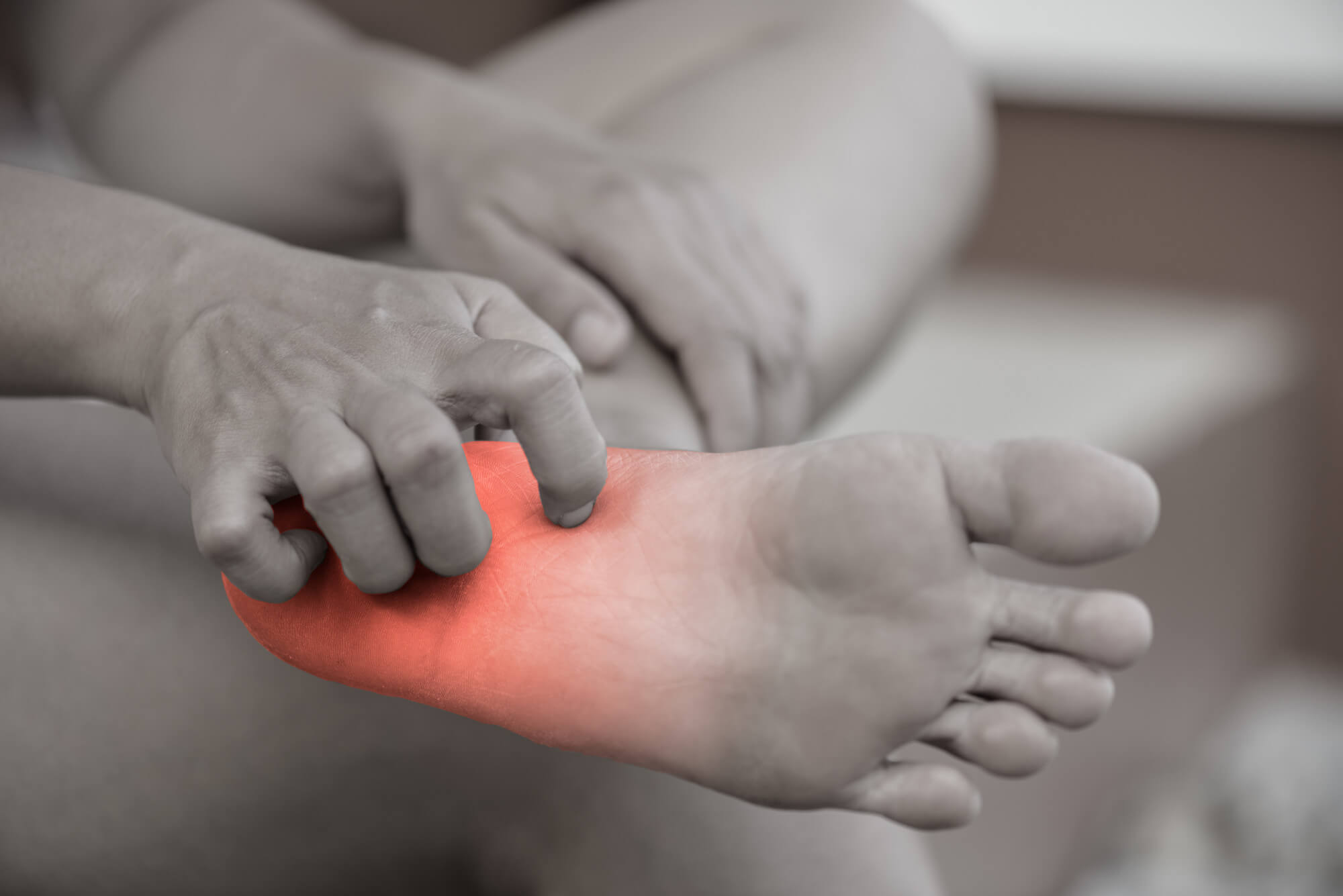
Skin conditions on the soles
Itchy soles are commonly caused by athlete’s foot (tinea pedis), a fungal infection that affects about 15 percent of the population at some point. The moccasin type appears as dry, scaly skin on the sole. Dyshidrotic eczema causes small itchy blisters on the soles and sides of the toes. Contact dermatitis from shoe materials, dry skin in winter, psoriasis, scabies and insect bites are other causes. Diabetes related nerve damage and poor circulation can cause burning or itching feet. Liver disease and kidney disease can cause itchy skin everywhere. Treat fungal infection with terbinafine or clotrimazole cream for 1 to 4 weeks and keep feet dry. Change socks daily, wear shoes in public showers and rotate shoes. People with diabetes should inspect their feet daily. See a doctor if itching continues after 2 weeks of home care, or there are blisters, cracks, or signs of infection.
Based on data from the American Academy of Dermatology and the CDC