Feeling nauseous without vomiting can be caused by anxiety, motion sickness, indigestion, or early pregnancy.
Common causes
- Anxiety and stress.
- Motion sickness.
- Indigestion and acid reflux.
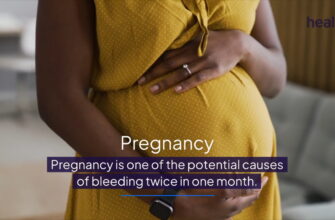
- Early pregnancy.
- Migraines.
- Low blood sugar.
- Medications.
- Dehydration and hangovers.
- Strong smells.
What helps
- Fresh air.
- Sipping water or ginger tea.
- Small bland snacks (crackers).
- Slow breathing.
- Acupressure (P6 point on the wrist).
See a doctor if
Nausea lasts more than a few days or comes with weight loss, severe pain or blood in vomit.
Emergency
Chest pain, severe headache or confusion with nausea needs urgent care.

Pregnancy
Test after a missed period.
What this feeling is
Feeling nauseated without vomiting is very common. Nausea is a signal from the brain and gut, and it can occur without leading to vomiting. Many people feel better after the cause passes.
Common causes
- Anxiety and stress, which affect the gut-brain connection.
- Early pregnancy.
- Acid reflux, gastritis and ulcers.
- Motion sickness and vertigo.
- Medications and supplements, like iron and vitamin pills on an empty stomach.
- Migraine.
- Low blood sugar, hunger or dehydration.
- Overeating or eating greasy food.
- Strong smells and heat.
- Food intolerance.
- Gallstones and pancreatitis.
- Hormonal changes and menstruation.
- Dizziness and low blood pressure.

What helps
- Sit upright, breathe slowly and get fresh air.
- Sip cool water or ginger tea, or suck on ginger candy.
- Eat dry crackers or toast.
- Avoid lying down right after eating.
- Take medicine with food unless told otherwise.
- Use slow, deep belly breathing for anxiety.
- Try wrist acupressure bands, though evidence is mixed.
- Avoid strong odors, and cook with the windows open.
See a doctor if
Nausea lasts more than 2 weeks or is frequent, comes with weight loss, pain, trouble swallowing, black stools, yellow skin, dizziness or severe headache.
Emergency
Seek emergency help if nausea comes with chest pain, shortness of breath, sweating, jaw or arm pain (possible heart attack), a sudden severe headache, confusion, stiff neck, or severe abdominal pain.
Pregnancy
Nausea starting 4 to 9 weeks after the last period suggests pregnancy. Small frequent meals, vitamin B6 and ginger help, and a doctor can prescribe medicine for severe symptoms.

Medical terms and common patterns
Nausea without vomiting is common with anxiety, migraine, pregnancy, motion sickness, medications, acid reflux and low blood sugar. Dry heaving, or retching without producing stomach contents, can occur when the stomach is empty or the vomit reflex is triggered by intense stress. Anxiety can trigger nausea through the gut brain axis, with about 30 percent of people with anxiety disorders reporting stomach symptoms. Gastroparesis, when the stomach empties too slowly, affects about 5 million Americans and often causes nausea and fullness after small meals. Gallbladder problems and pancreatitis cause nausea along with pain after eating fatty food. Home steps are small bland meals, ginger, peppermint, cool compresses and slow breathing. Persistent nausea for more than a week, weight loss, black stools or severe abdominal pain should be checked by a doctor. Pregnancy tests are advised for women of reproductive age with new nausea and a missed period.
Based on data from the NIDDK and the Cleveland Clinic