
Turtle eggs usually hatch in about 45 to 70 days, depending on the species and temperature.
Incubation
Turtle eggs hatch in about 45 to 70 days, depending on species and temperature. Sea turtles take 45 to 70 days. Painted turtles and sliders take 60 to 80. Snapping turtles take 75 to 95.
Temperature
Warmer nests produce more females and cooler nests more males, in many species (temperature-dependent sex determination).
Hatchlings
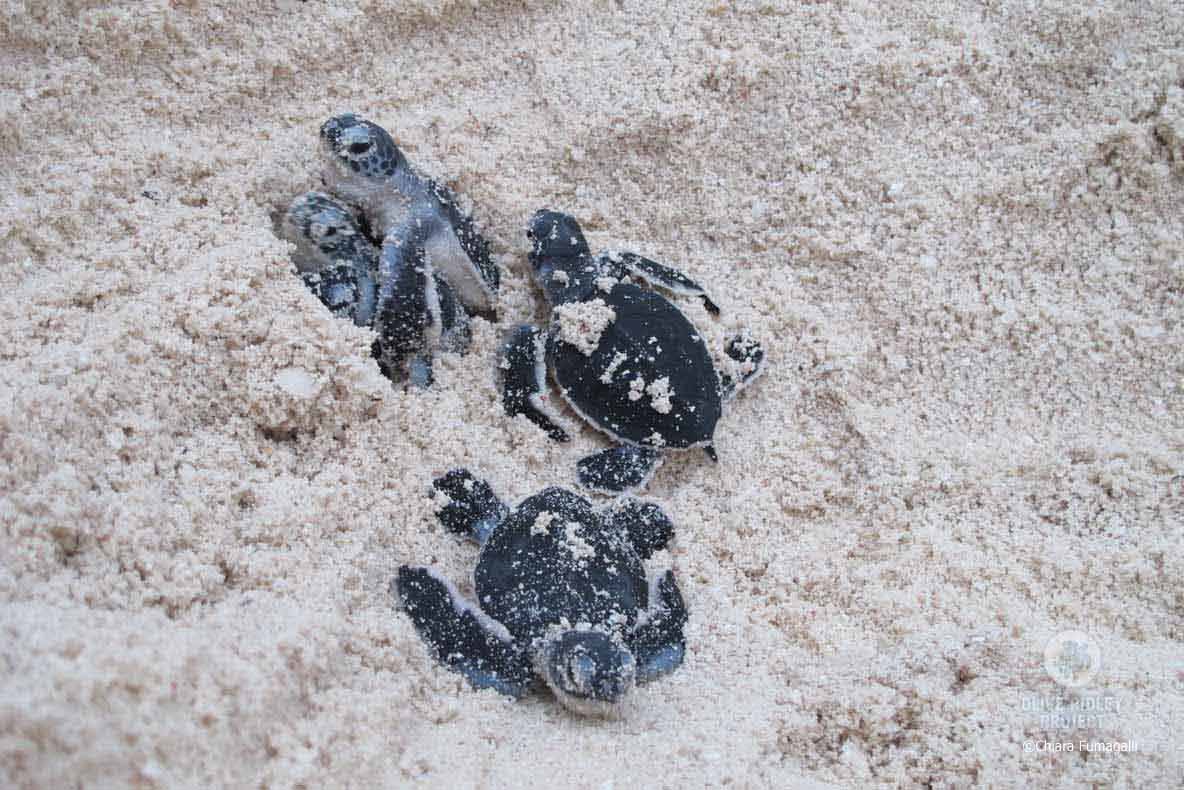
They dig out and head for water, usually at night.
If you find a nest
Don’t move it. Protect it from predators with a wire cage and call wildlife authorities.
At home
Keep eggs at 80 to 85 F in an incubator with moist vermiculite.
Fact
Only about 1 in 1,000 sea turtle hatchlings survives to adulthood.
Incubation by species
Incubation depends on species and temperature. Red-eared sliders hatch in about 60 to 90 days, painted turtles in 60 to 80 days, snapping turtles in 55 to 125 days, box turtles in 50 to 80 days and green sea turtles in 45 to 70 days. Cooler nests take longer. Some species have eggs that pause development in cold weather and finish in spring, a process called diapause.
How temperature determines sex
In many turtles, the incubation temperature during the middle third of development decides the sex. For sea turtles, a pivotal temperature of about 29 C produces both sexes equally. Warmer nests produce more females and cooler nests produce more males. Climate warming has pushed some populations, such as green turtles on the northern Great Barrier Reef, to over 99% females in some cohorts, according to research published in 2018.

What a turtle nest looks like
Turtles dig a nest hole with their hind legs, lay from 1 to over 200 eggs depending on species, and cover the hole. Sea turtle nests are deep, 40 to 60 centimeters, and the sand is often disturbed in a wide area. Freshwater turtles often nest near water in sandy or loose soil in May to July. The eggs are leathery or hard shelled, white, and round or oval.
Hatching
Hatchlings use a temporary egg tooth, called a caruncle, to break the shell. They often stay in the nest for a few days, absorbing the yolk sac, before climbing out together. Sea turtles tend to emerge at night to avoid heat and predators, and use the brightest horizon, normally the sea, to find the water. Artificial lights can lead them inland and cause death.
If you find a nest
- Do not move or rotate the eggs. Rotating a turtle egg after a few hours can kill the embryo.
- Mark the location with stakes at a distance and keep dogs away.
- Call the local wildlife agency or a rehabilitator. Many species are protected by law.
- A wire cage with an opening large enough for hatchlings can protect against raccoons.
Incubating eggs at home
- Use an incubator holding 80 to 86 F for most pet species and humidity of around 70% to 80%.
- Bury the eggs halfway in moist vermiculite, keeping their original orientation.
- Check on them without rotating them and discard eggs that mold.
- Provide a shallow water dish and small food for the hatchlings after they emerge.
Legal note
Many turtle species are protected, and collecting eggs or wild hatchlings is illegal in many places. All sea turtles are listed under the US Endangered Species Act. Check local law before keeping any wild eggs.

Predators, survival odds and conservation
Only about 1 in 1,000 sea turtle hatchlings survives to adulthood, according to NOAA estimates. Crabs, birds, raccoons, foxes and fish prey on eggs and hatchlings, and artificial lights can pull hatchlings away from the sea, since they orient toward the brightest horizon. Many coastal areas in Florida require lights-out ordinances during nesting season, which runs from March to October. Female sea turtles often return to nest on the beach where they were born, a behavior called natal homing, and may nest several times in a season, laying about 100 eggs each time. Disturbing nests is illegal under the US Endangered Species Act, and violations can bring fines up to tens of thousands of dollars.
Based on data from NOAA Fisheries and the US Fish and Wildlife Service