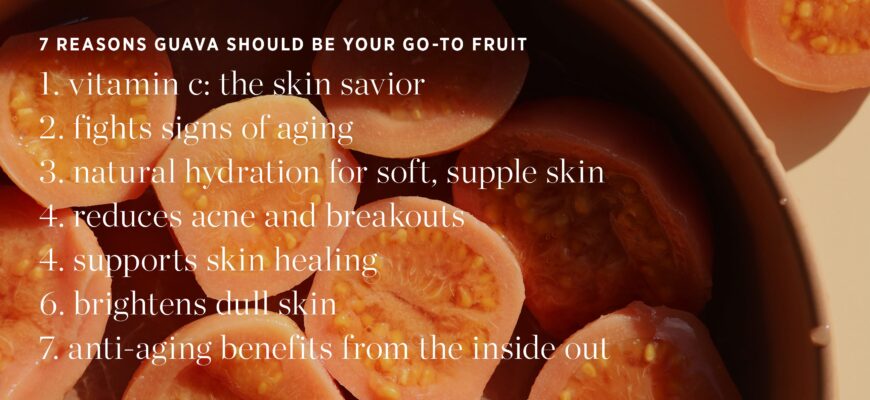
Guava is rich in vitamin C, fiber, and antioxidants.
Nutrition
One common guava (55 g) has about 37 calories, 3 g of fiber, 126 mg of vitamin C (140 percent DV) and 0.1 g of fat. It also has potassium, folate and vitamin A (USDA).
Benefits
- Vitamin C is more than in an orange.
- Fiber for digestion.
- Lycopene (in pink guava) and polyphenols are antioxidants.
- A 2005 study suggested guava leaf tea may modestly lower blood sugar.
Cautions
Fiber and seeds can cause gas. Check with a doctor on guava leaf supplements if you take diabetes medicines.
Eating
Eat the skin and seeds, or the flesh.
Origin
Native to Central America and widely grown in the tropics.
Nutrition data
One common guava fruit (about 55 grams) has about 37 calories, 8 grams of carbohydrate, 3 grams of fiber, and 1.4 grams of protein. One cup of chopped guava (165 grams) provides 112 calories, 5 grams of protein, 9 grams of fiber and 377 milligrams of vitamin C, which is about 420% of the daily value, more than four times the amount in an orange. It also supplies vitamin A, folate, potassium, copper and manganese.
Benefits

- Immunity: very high vitamin C supports immune cells and collagen.
- Heart health: potassium and fiber support healthy blood pressure and cholesterol. A small study found that eating ripe guava for 12 weeks lowered blood pressure and total cholesterol.
- Blood sugar: low glycemic index of about 12 to 24, and fiber slows sugar absorption. Guava leaf tea has been studied for lowering blood sugar after meals.
- Lycopene in pink guava is an antioxidant studied for prostate and heart health.
- Digestion: fiber relieves constipation.
- Skin: vitamin C and antioxidants support collagen production and may slow skin aging.
- Eye health from vitamin A and carotenoids.
Cautions
- Seeds are edible but may cause constipation or irritation in people with diverticulosis, although this is not well supported.
- Guava is high in fructose, and large amounts may cause gas in sensitive people.
- Guava leaf extract may lower blood sugar, so people on diabetes medicines should be careful.
- Some people with latex allergy react to guava.
Eating
Eat guava raw, with or without the skin, which is edible and rich in fiber. Slice it into salads or smoothies, make juice, jam or paste, or eat with a pinch of salt and chili as in Mexico. Choose fruit that yields to gentle pressure and has a fragrant smell. Ripen at room temperature and refrigerate when ripe for up to 4 days.
Origin
Guava (Psidium guajava) is native to Central America and southern Mexico, and is now grown across the tropics. India is the largest producer, followed by China, Thailand and Pakistan.

Vitamin C and fiber in detail
One raw guava (about 55 grams) provides about 125 mg of vitamin C, which is close to 140 percent of the daily value and more than an orange, which has about 70 mg. A cup of chopped guava (165 grams) holds about 377 mg of vitamin C, according to USDA data, along with roughly 9 grams of fiber and 688 mg of potassium. Guava is also high in lycopene, especially pink varieties, and contains folate and vitamin A. Raw guava has about 68 calories per 100 grams with 8.9 grams of sugar. Eating the seeds is safe in moderation and adds fiber, but they are hard, so chew well. Guava leaf extract is sold as a supplement, but evidence for blood sugar benefits comes from small studies, so talk with a doctor before using it with diabetes medicine.
Based on data from the USDA FoodData Central and the NIH Office of Dietary Supplements