A popping jaw is usually caused by the jaw joint (TMJ) shifting. It is harmless if painless, but see a dentist if it hurts.
Why
- Cartilage disc (articular disc) shifting.
- Ligaments moving over the joint.
- Air bubbles.
Common in
About 25% of people have jaw clicking.
Is it a problem
Harmless if painless.
TMJ disorder
Pain, locking or trouble chewing may be TMD.
Self care
- Soft food.
- Avoid wide yawns and gum.
- Heat or ice.
- Night guard if you grind.
See a dentist
If jaw hurts or locks.
Joint structure
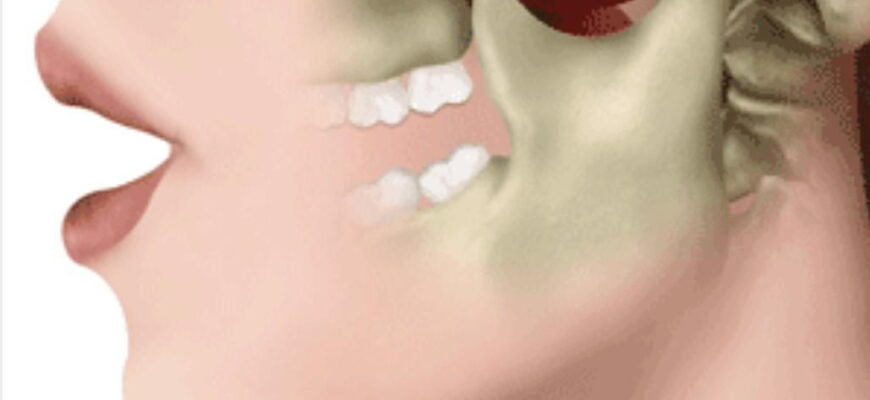
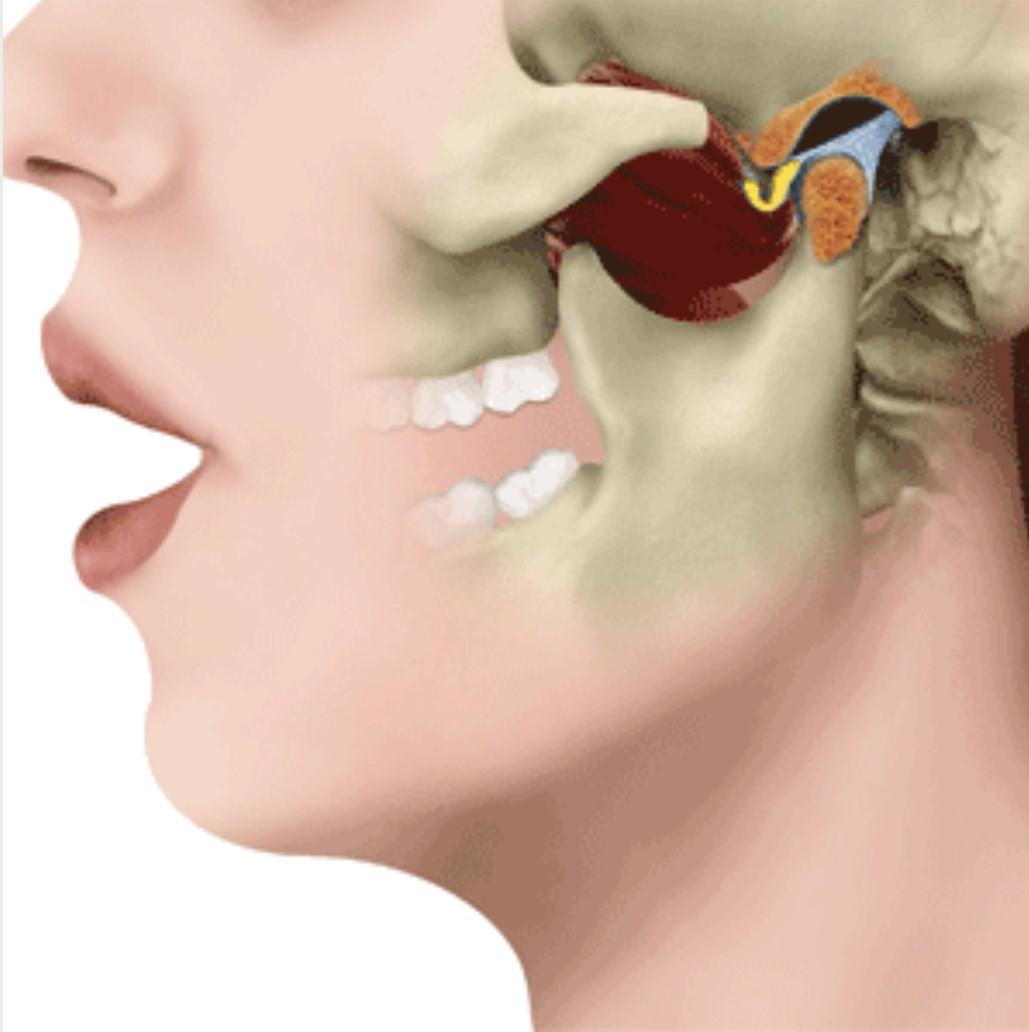
The temporomandibular joint (TMJ) connects the jaw to the skull, in front of each ear. A small disc of cartilage cushions the joint. Popping or clicking happens when the disc moves slightly out of place and slips back as the jaw opens.
Prevalence
Clicking, popping or other TMJ sounds affect around 25% to 33% of people, according to studies, and many of them have no pain or limitation.
Causes
- Disc displacement.
- Teeth grinding (bruxism) and clenching.
- Jaw injury.
- Arthritis in the joint.
- Habits such as chewing gum or biting nails.
- Stress.
- Misaligned bite.
- Opening the mouth very wide, such as yawning.

When it is harmless
Painless popping without limited movement usually needs no treatment.
TMJ disorders
They affect up to 10% to 12% of people, and include jaw pain, tenderness, limited opening, locking, headaches, earache and facial pain. Women are affected more often than men, mostly aged 20 to 40.
Self care
- Eat soft foods for a few days.
- Avoid chewing gum and hard or chewy foods.
- Use warm compresses or ice packs.
- Gentle jaw stretches and massage.
- Practice relaxing the jaw with lips closed, teeth apart.
- Reduce stress.
- Over the counter NSAIDs.
Dental options
A custom night guard for bruxism, physical therapy, injections, and in rare severe cases surgery. The NIH advises conservative, reversible treatments first.
See a dentist or doctor if
The jaw locks open or closed, pain is persistent, you can’t open your mouth fully or the bite changes.
Joint disc mechanics
The temporomandibular joint contains a small cartilage disc between the jawbone and skull. Popping often occurs when the disc slips out of place and snaps back as the mouth opens, called disc displacement with reduction. Studies show up to a third of the population has at least one sign of a temporomandibular disorder, such as clicking, while the NIDCR estimates 5 to 12 percent have symptoms needing treatment. Clicking without pain is usually harmless.

Treatment options
Self care includes soft foods, avoiding gum and extreme opening, heat or ice, stress reduction and jaw exercises. A dentist may provide a night guard for teeth grinding. NSAIDs can ease pain. Other treatments range from physical therapy to injections and, rarely, surgery. See a dentist or doctor if the jaw locks, hurts at rest, limits eating, or if you cannot open your mouth wide enough to fit three fingers vertically, about 40 millimeters. Jaw pain with chest pressure can be a heart symptom and needs emergency evaluation.
Based on data from the NIDCR and the American Dental Association