- Introduction: Understanding Baby Weight at 7 Months
- What Is the Average Weight for a 7 Month Old?
- Developmental Milestones for 7 Month Olds
- Factors Affecting Baby Weight
- Breastfed vs. Formula-fed Babies: Weight Differences
- Is My Baby’s Weight Healthy?
- Common Mistakes in Monitoring Baby Weight
- Practical Tips for Supporting Healthy Weight Gain
- Monitoring Growth: When to See a Doctor
- Conclusion
- Frequently Asked Questions
Introduction: Understanding Baby Weight at 7 Months
One of the pressing concerns for new parents is ensuring their baby is growing healthily. A common question is, “how much does a 7 month old weigh?” Monitoring your baby’s weight is crucial as it serves as a vital indicator of their overall well-being. Let’s dive into the typical weight ranges and factors influencing your baby’s weight at seven months.
What Is the Average Weight for a 7 Month Old?
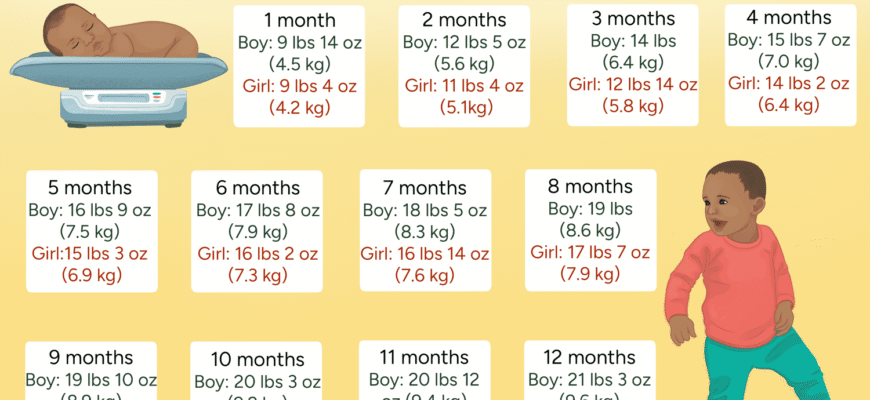
The average weight for a 7 month old baby varies depending on several factors, such as genetics and nutrition. Generally, a seven-month-old baby boy weighs between 17.5 to 19 pounds (7.9 to 8.6 kg), while a baby girl weighs between 16.5 to 18 pounds (7.4 to 8.2 kg). These weights are considered averages, and your baby’s weight may slightly differ while still being healthy.
Developmental Milestones for 7 Month Olds
At seven months, many babies start hitting significant developmental milestones. These include sitting without support, beginning to crawl, and showing curiosity about their surroundings. These milestones often coincide with a gradual increase in weight and height as their mobility activities expend more calories.
Factors Affecting Baby Weight
- Genetics: Parental size and genetics heavily influence baby weight.
- Nutrition: A balanced diet rich in nutrients is essential for healthy weight gain.
- Health Conditions: Ideologies like allergies and chronic illnesses can affect weight.
- Activity Levels: Active babies may burn more calories, impacting weight.
Breastfed vs. Formula-fed Babies: Weight Differences
Breastfed and formula-fed babies may gain weight differently. Breastfed babies tend to gain weight more steadily, while formula-fed babies might gain weight more quickly. However, both methods can result in healthy babies if done appropriately.
Is My Baby’s Weight Healthy?
To determine if your baby’s weight is healthy, consider their growth rate and compare it with standard growth charts. Regular check-ups with a pediatrician are vital in assessing growth and overall health. During these visits, your child’s doctor can provide personalized advice and ensure your baby is on the right track.
Common Mistakes in Monitoring Baby Weight
- Overemphasis on Numbers: Fixating on a specific number can be misleading if your baby is healthy and developing well.
- Infrequent Weigh-Ins: Regular weighing helps monitor health trends.
- Comparisons with Others: Focus on individual growth instead of comparing with charts or peers.
Practical Tips for Supporting Healthy Weight Gain
- Provide a balanced diet with varied nutrients.
- Ensure consistent feeding routines.
- Promote physical activity to develop muscle strength.
- Consult a pediatrician for tailored advice on nutrition and growth.
Monitoring Growth: When to See a Doctor
If your baby’s weight seems to fall significantly below or above average, it’s advisable to consult with a pediatrician. Consistent monitoring through well-baby visits is recommended to ensure healthy development and address any concerns promptly.
Conclusion
Understanding how much a 7 month old should weigh can alleviate many concerns for parents. Focus on ensuring your baby is healthy and hitting developmental milestones. Always seek advice from healthcare professionals to guide you through your baby’s growth journey.
Frequently Asked Questions
- How much should a 7 month old weigh? The average weight is between 16.5 to 19 pounds, but growth can vary based on several factors.
- Is it normal for baby weight to fluctuate? Yes, minor weight fluctuations are typical as long as there is a pattern of consistent growth over time.
- Should I consult a doctor for my baby’s weight? Regular pediatric visits are essential to assess your baby’s growth pattern and address any concerns.
- How can I support my baby’s growth? Ensure a balanced diet, provide regular feedings, and encourage physical activity.
- Which is better, breastfeeding or formula-feeding for weight gain? Both can support healthy weight gain; choose based on personal preference and medical advice.
json







