Iron deficiency is caused by blood loss (like heavy periods), a diet low in iron, poor iron absorption, or pregnancy.
Main causes
- Blood loss: heavy periods, GI bleeding (ulcers, polyps), frequent blood donation.
- Low iron intake: vegan diets, poor diet.
- Poor absorption: celiac disease, bariatric surgery, H. pylori, antacids.
- Increased need: pregnancy, growth spurts, endurance athletes.
How common
The WHO estimates about 30 percent of women of reproductive age are anemic worldwide.
Symptoms
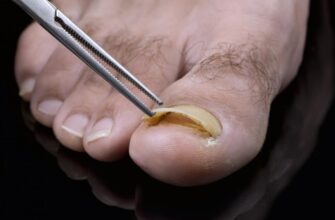
Fatigue, pale skin, shortness of breath, brittle nails, cold hands and restless legs.
Diagnosis
Blood tests for hemoglobin and ferritin.
Treatment
Iron supplements, diet, and treating the cause. Iron can also come from red meat, beans and fortified cereals.

Doctor
See one before taking high-dose iron.
How the body uses iron
Iron is a core part of hemoglobin, the protein in red blood cells that carries oxygen. The body of an adult holds about 3 to 4 grams of iron, and most of it is recycled from old red blood cells. Daily needs are 8 milligrams for men and postmenopausal women, 18 milligrams for premenopausal women, and 27 milligrams in pregnancy. Iron deficiency is the world’s most common nutritional deficiency.
Main causes of iron deficiency
- Blood loss: heavy periods are the most common cause in women, and slow bleeding from ulcers, polyps, colon cancer or regular use of aspirin or anti-inflammatory drugs.
- Low intake: diets low in iron rich foods, including some vegetarian or vegan diets.
- Poor absorption: celiac disease, Crohn’s disease, gastric bypass surgery, and chronic use of acid reducing drugs.
- Higher needs: pregnancy, growing children and teenagers, endurance athletes.
- Frequent blood donation.

How common it is
The World Health Organization estimates that about 30% of women of reproductive age and 40% of pregnant women worldwide have anemia, and iron deficiency is the cause of about half of the cases. In the US, about 10% of women aged 12 to 49 have iron deficiency, according to the CDC.
Symptoms
- Fatigue and weakness.
- Pale skin and inner eyelids.
- Shortness of breath and fast heartbeat.
- Headaches, dizziness and cold hands and feet.
- Brittle nails, hair loss and a sore tongue.
- Restless legs and cravings to chew ice, called pica.
Diagnosis
A doctor orders a complete blood count, ferritin, serum iron and transferrin saturation. Ferritin below 30 ng/mL usually indicates deficiency, and hemoglobin below 12 g/dL in women or 13 g/dL in men indicates anemia. In men and postmenopausal women, a cause of blood loss must be found, often needing colonoscopy or endoscopy.
Treatment
Oral iron, such as ferrous sulfate 325 milligrams, once daily or every other day, improves absorption and reduces nausea. Take with vitamin C and away from coffee, tea, dairy and calcium. Levels rise in about 2 weeks, but stores need 3 to 6 months. Intravenous iron is used when oral iron fails or is not tolerated.
Foods
Heme iron from meat, poultry and fish is absorbed at 15% to 35%, while non-heme iron from plants is absorbed at 2% to 20%. Good sources include beef liver, oysters, lentils, spinach, tofu, fortified cereals and beans. A vitamin C source such as citrus or peppers boosts absorption of plant iron.

Absorption facts and who is at risk
The body absorbs 15 to 35 percent of iron from meat (heme iron) and 2 to 20 percent from plants (non-heme iron). Vitamin C taken with a meal increases absorption, while tea, coffee and calcium reduce it. The recommended intake is 8 mg per day for adult men and postmenopausal women and 18 mg per day for premenopausal women, rising to 27 mg in pregnancy. Iron deficiency affects an estimated 10 percent of women of childbearing age in the US and is the most common nutritional deficiency worldwide, according to the WHO.
Based on data from the NIH Office of Dietary Supplements and the World Health Organization