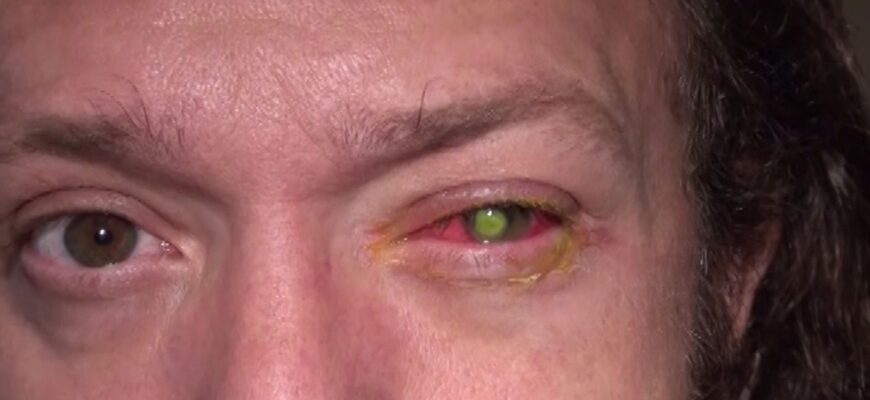
Sleeping in contacts can cause dry eyes, irritation, and serious infections like corneal ulcers. Remove them and see an eye doctor if you have pain or redness.
Risks
- Dry, red, irritated eyes.
- Corneal abrasion.
- Eye infection and corneal ulcer (keratitis).
- Oxygen shortage to the cornea.
Risk level
Sleeping in contacts increases infection risk up to 6 to 8 times (CDC).
What to do
- Take them out as soon as you wake.
- Use rewetting drops.
- Give your eyes a rest.
See an eye doctor
If you have pain, redness, light sensitivity or vision changes.
Why it’s risky
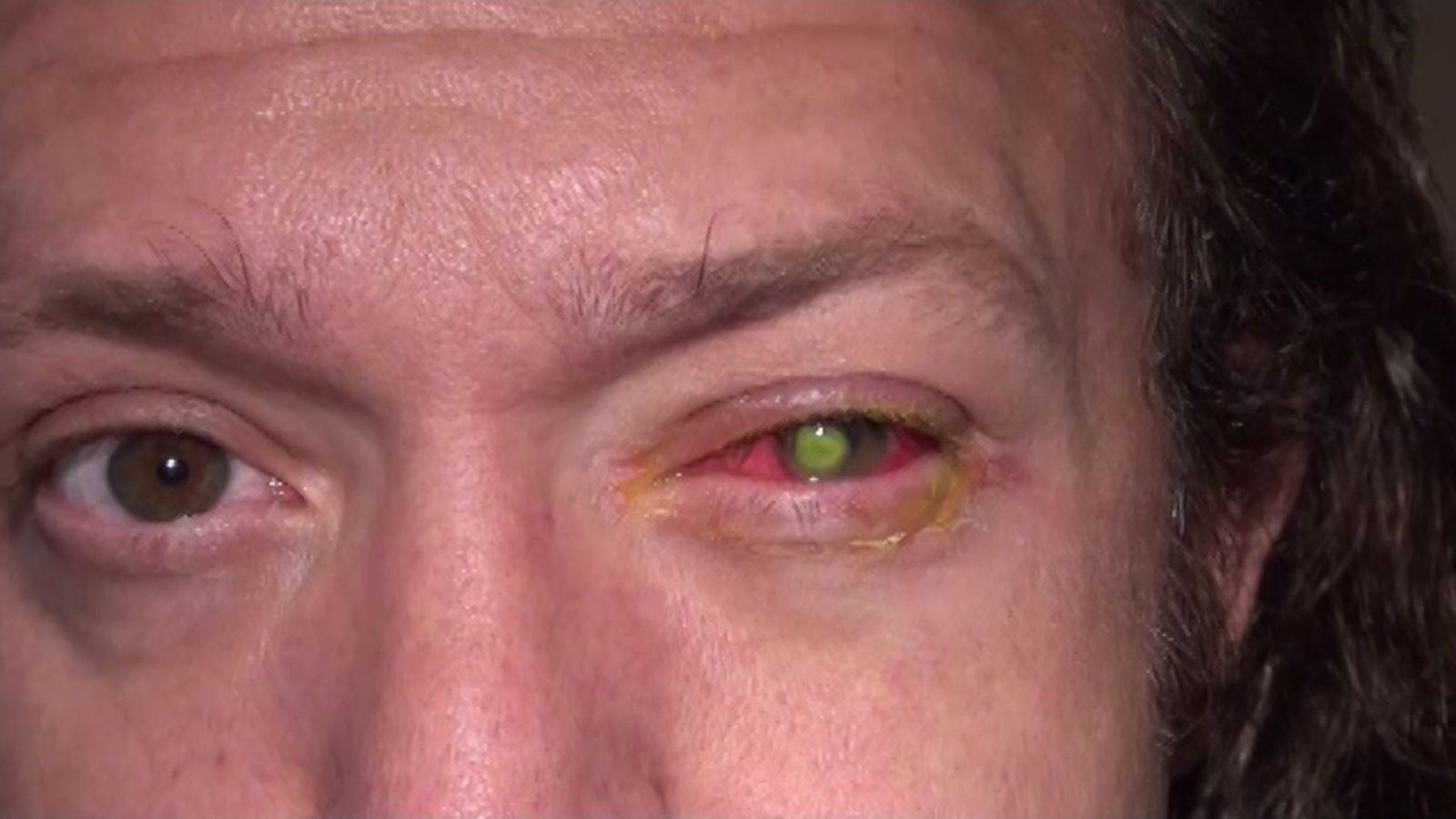
Sleeping with contact lenses reduces oxygen reaching the cornea, since lenses block some oxygen and eyelids closed further reduce it. The eyes get dry, and bacteria can build up under the lens.
Risk of infection
The CDC says sleeping in contact lenses raises the risk of eye infections (keratitis) by 6 to 8 times, even with lenses approved for overnight wear. Infections can lead to corneal ulcers and permanent vision loss.
Common problems
- Red, irritated eyes.
- Dry eye and discomfort when waking.
- Corneal abrasion when the lens sticks to the eye.
- Corneal neovascularization (new blood vessels growing into the cornea).
- Giant papillary conjunctivitis.
- Acanthamoeba keratitis, a rare, serious infection linked with water exposure.
Extended wear lenses
Some lenses (silicone hydrogel) are FDA-approved for continuous wear up to 6 to 30 nights. They still carry a higher infection risk.
What to do if you fell asleep with them
- Wash your hands.
- Apply sterile saline or rewetting drops to moisten the lens, and wait until it moves freely before removing it. Never pull a dry lens.
- Remove and discard if it’s a daily lens, or clean and store a monthly lens in fresh solution.
- Give your eyes a break by wearing glasses for the day.
Habits to avoid
Do not use tap water to rinse lenses or wear them while swimming or showering.
See an eye doctor if
Eyes are red, painful, light sensitive, have discharge, blurry vision or the lens will not come out. These need prompt care.
Infection risk numbers
The CDC says sleeping in contact lenses raises the risk of a serious eye infection, keratitis, by six to eight times. Lenses reduce oxygen reaching the cornea, and during sleep the eye gets even less, while bacteria and amoebae such as Acanthamoeba can stick to the lens. Infections can cause pain, redness, discharge, light sensitivity and blurred vision, and may lead to scarring and permanent vision loss, sometimes needing a corneal transplant. Even lenses approved by the FDA for extended wear, which allow up to 30 days, carry higher risk than daily wear.
If you fell asleep with them in
If your eyes feel dry or the lenses stick, put in lubricating drops and blink until the lenses move before removing. Discard lenses if they are daily disposables, and give your eyes a break by wearing glasses for the day. See an eye doctor right away if you have redness, pain, discharge, sensitivity to light or blurred vision, and do not wear contacts until cleared. Habits that protect eyes include replacing lenses on schedule, washing hands, never using tap water or saliva on lenses, and removing them before swimming or showering.
Based on data from the CDC and the American Academy of Ophthalmology