The sun makes you tired because heat widens blood vessels and lowers blood pressure, you lose fluids by sweating, and bright light affects sleep hormones.
Why
- Heat dilates blood vessels, which lowers blood pressure.
- Sweating loses water and salts.
- Sunlight changes melatonin and circadian rhythms.
- Heat raises body temperature, which promotes sleepiness.
Prevention
- Drink water.
- Take breaks in shade.
- Wear light clothes.
Heat illness
Heat exhaustion causes headache, nausea and heavy sweating. Move to a cool place and drink fluids.
Emergency
Confusion, fainting or very hot dry skin may be heat stroke. Call 911.
Heat and blood vessels
Sun exposure raises body temperature, so the body dilates blood vessels near the skin to release heat. This lowers blood pressure slightly and makes you feel drowsy. Sweating also reduces fluid and electrolytes.
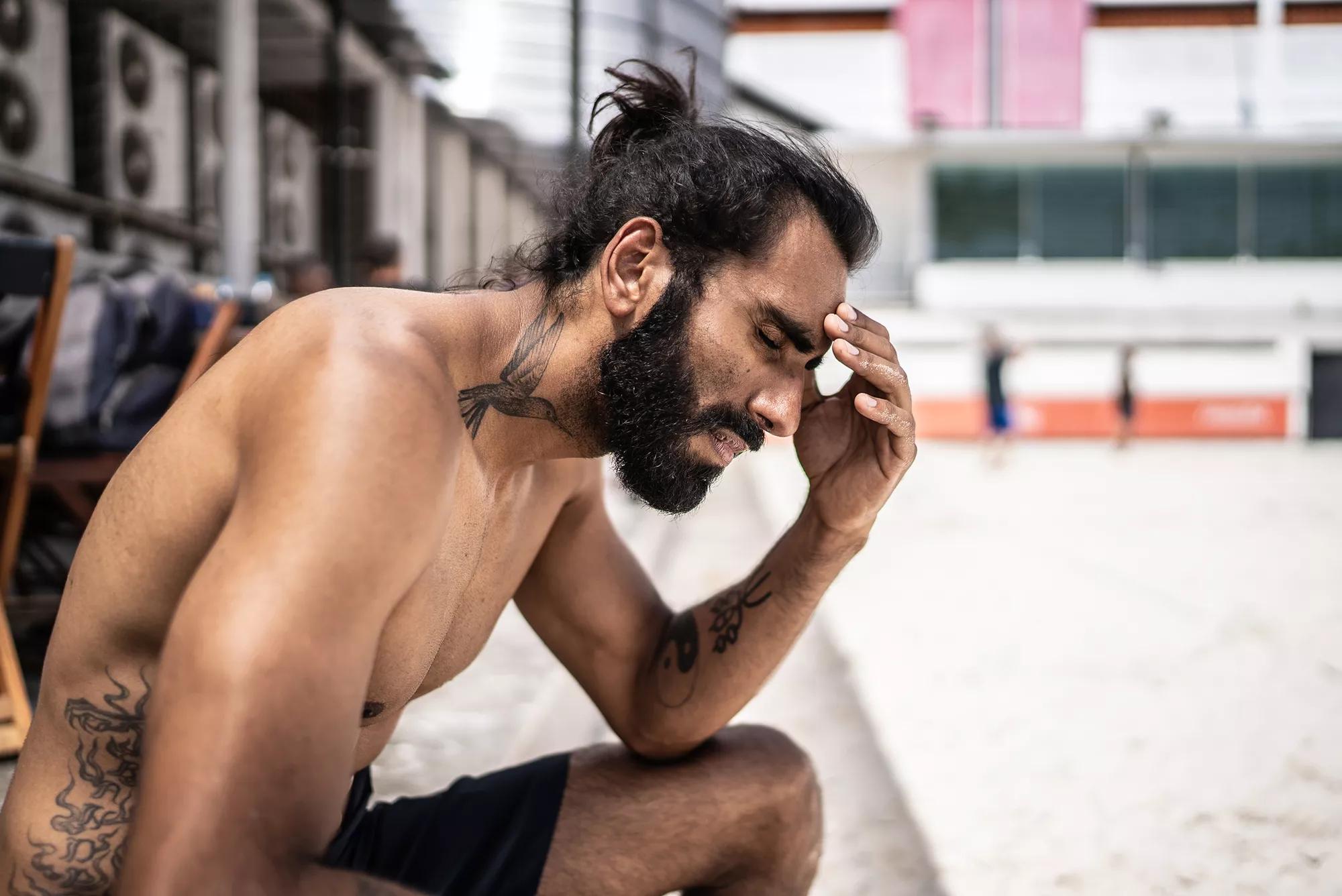
Dehydration
Even 1% to 2% loss of body weight in fluid can reduce alertness and mood. Many people do not drink enough on hot days.
Light and melatonin
Bright light signals daytime and reduces melatonin, but strong afternoon heat followed by shade can induce relaxation and sleepiness.
UV and fatigue
Sunburn triggers inflammation. The body uses energy to repair skin, causing fatigue. Sunburn symptoms include redness, pain and sometimes chills.
Heat exhaustion
Signs include heavy sweating, weakness, dizziness, headache, nausea, cold clammy skin, rapid pulse and muscle cramps. Move to a cooler place, drink fluids and rest.
Heat stroke
A body temperature above 103 degrees F (39.4 degrees C) with confusion, slurred speech, hot dry or damp skin, fainting or seizures is a medical emergency. Call 911 and cool the person with cool water or ice packs on the neck, armpits and groin.
Risk groups
Older adults, infants, people with chronic illness, those taking diuretics or certain psychiatric medicines, and outdoor workers face higher risk.
Prevention
- Drink water regularly, before feeling thirsty.
- Wear light, loose clothing and a wide brimmed hat.
- Apply SPF 30 or higher sunscreen and reapply every 2 hours.
- Take breaks in shade or air conditioning.
- Avoid peak sun between 10 a.m. and 4 p.m.
- Never leave children or pets in a parked car.
Statistics
The CDC reports that heat causes more than 700 deaths a year in the US on average.
Heat, blood pressure and light
Sun exposure widens blood vessels in the skin to release heat, which can lower blood pressure and make you feel drained. Sweating causes loss of fluid and salts, and even mild dehydration of about 1 to 2 percent of body weight can reduce energy and concentration. Bright light also affects the body clock, and while morning light helps wake you, strong heat and glare can cause fatigue. Sunburn can add to fatigue through inflammation.

Heat illness and prevention
Heat exhaustion causes heavy sweating, weakness, dizziness, nausea and a fast pulse, and treatment is to move to a cool place, drink fluids and rest. Heat stroke is an emergency with body temperature over 103 F (39.4 C), confusion and hot dry or damp skin, and requires a 911 call and cooling. The CDC reports that heat related deaths in the US exceeded 2,000 in 2023. Older adults, young children, outdoor workers and people on certain medicines are at higher risk. Wear light clothing, drink water regularly, take breaks in shade and use sunscreen with SPF 30 or higher.
Based on data from the CDC and the National Weather Service