Zinc supports immune function, wound healing, and taste, but too much can cause nausea and copper deficiency.
What it does
Zinc is an essential mineral involved in immune function, wound healing, taste and smell, DNA synthesis and growth.
Recommended intake
Adults: 11 mg (men) and 8 mg (women) per day. Upper limit is 40 mg.
Sources
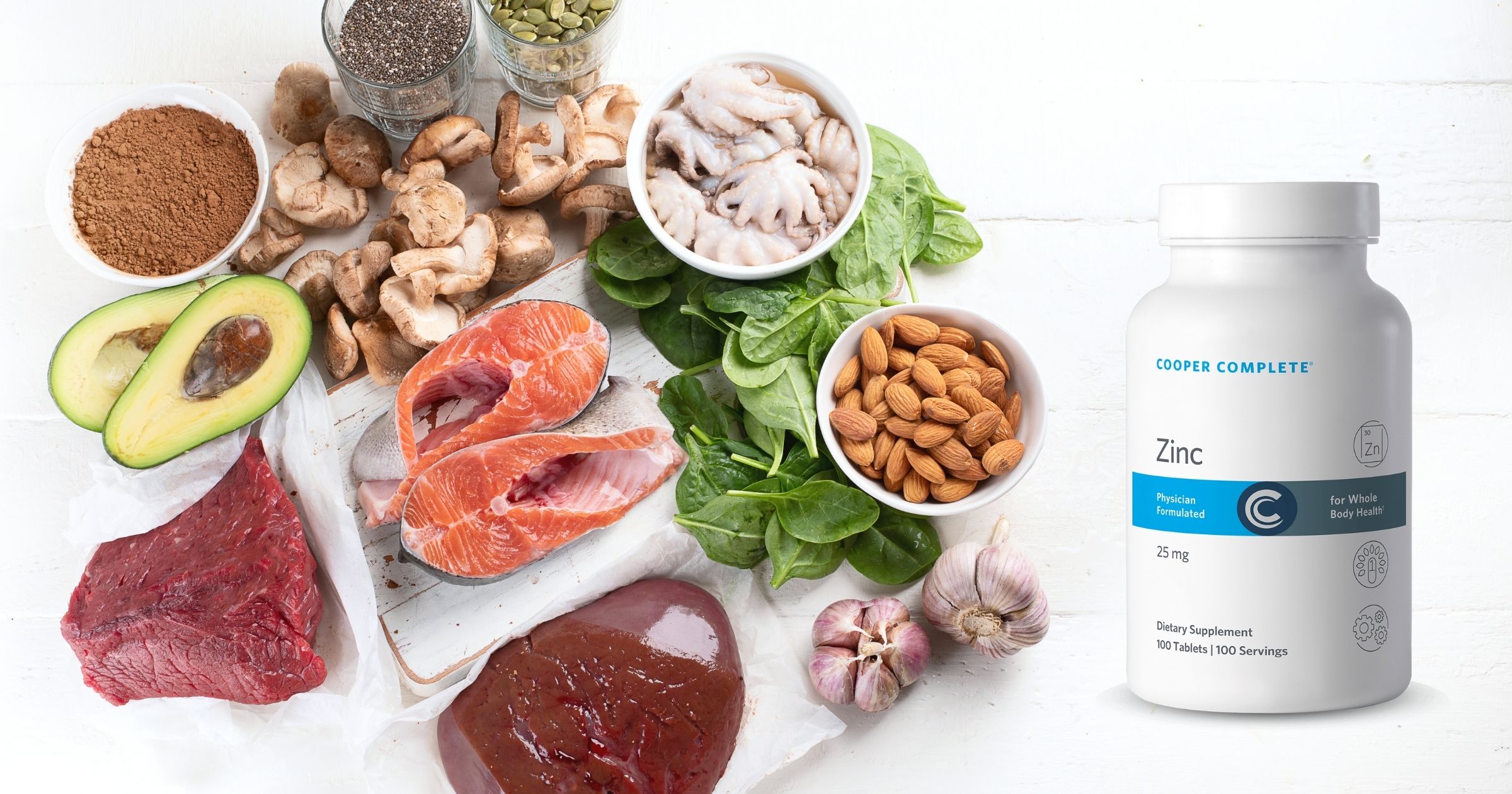
Oysters, beef, crab, pumpkin seeds, chickpeas and fortified cereals.
Cold evidence
Zinc lozenges started within 24 hours may shorten colds by about a day (reviews).
Deficiency
Slow healing, hair loss, diarrhea and taste changes.
Too much
Nausea, vomiting, low copper, and reduced immunity with long-term high doses. Intranasal zinc can cause loss of smell.
Who needs more
Vegetarians, pregnant women and people with GI diseases.
Interactions
Zinc can reduce absorption of some antibiotics.
What zinc does
Zinc is an essential mineral needed for more than 300 enzymes. It supports immune cells, wound healing, DNA synthesis, protein synthesis, growth in children and the senses of taste and smell. The body cannot store zinc, so a regular intake is needed.
Recommended intake
The recommended dietary allowance for adults is 11 milligrams a day for men and 8 milligrams for women, rising to 11 milligrams in pregnancy and 12 milligrams in breastfeeding. The upper limit for adults is 40 milligrams a day from all sources.
Sources
Oysters have the most zinc, at about 32 milligrams per 3 ounces cooked. Other good sources are beef (about 5 to 7 milligrams per 3 ounces), crab, pork, chicken, pumpkin seeds, cashews, chickpeas, lentils, fortified cereal and dairy. Zinc from animal sources is absorbed better than from plants, which contain phytates that block absorption.
Cold evidence
A Cochrane review of zinc lozenges and syrup found that taking zinc within 24 hours of the first symptoms can shorten a cold by about 1 day on average. Results vary by dose and form, and side effects include nausea and a bad taste. Zinc nasal sprays have been linked to loss of smell, and the FDA warned against intranasal zinc products in 2009.
Deficiency
Mild deficiency affects around 2 billion people worldwide, mostly in low income countries, according to the WHO. Signs include slow wound healing, hair loss, diarrhea, frequent infections, loss of taste, skin lesions and, in children, stunted growth. In the US, deficiency is uncommon.
Too much
Long term intake above 40 milligrams a day can cause copper deficiency, anemia, lower immunity and reduced HDL cholesterol. Acute high doses cause nausea, vomiting, cramps and headaches.
Who needs more
- Vegetarians and vegans, who may need up to 50% more because of phytates.
- People with Crohn’s disease, celiac disease and other malabsorption conditions.
- Pregnant and breastfeeding women.
- Older adults.
- People with sickle cell disease or heavy alcohol use.
Interactions
Zinc can lower the absorption of certain antibiotics, such as quinolones and tetracyclines, so take them at least 2 hours apart. Penicillamine and thiazide diuretics also interact. High dose iron and calcium supplements compete with zinc for absorption.
Recommended amounts and upper limit
The recommended dietary allowance for zinc is 11 mg per day for adult men and 8 mg for adult women, rising to 11 mg in pregnancy and 12 mg during breastfeeding. The tolerable upper limit is 40 mg per day for adults. Oysters are the richest source with about 32 mg in 3 ounces of cooked Eastern oysters, while beef gives about 5 mg per 3 ounces, and pumpkin seeds about 2.2 mg per ounce. About 12 percent of people in the US are thought to have low zinc intake, and risk is higher for vegetarians because phytates in grains and beans reduce absorption. Zinc supports immune function, wound healing, protein synthesis and taste. Taking more than 40 mg for long periods can cause copper deficiency, nausea and lowered HDL cholesterol. Zinc also reduces absorption of some antibiotics, so space doses by 2 to 6 hours.
Based on data from the NIH Office of Dietary Supplements