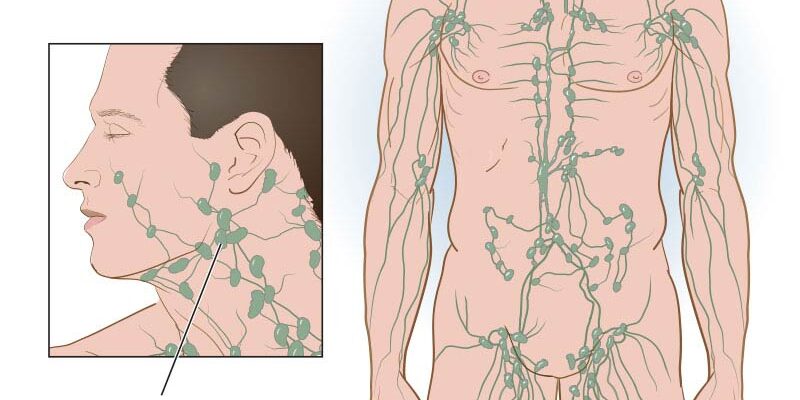
Lymph nodes hurt when they swell while fighting infection, such as a cold or strep. See a doctor if they are hard or stay swollen for weeks.
Why they swell
Lymph nodes filter germs. When fighting infection, they swell and can hurt.
Common causes
- Colds, strep throat, tooth infections.
- Mononucleosis.
- Skin infections.
- Rarely, lymphoma or other cancers.
When it’s normal
Soft, movable and tender nodes that shrink in a couple of weeks.
See a doctor
If nodes are hard, fixed, painless, larger than 1 inch, or last more than 2 to 4 weeks, or come with fever, night sweats or weight loss.
Role of lymph nodes
Lymph nodes are small, bean shaped glands in the neck, armpits, groin and other areas. They filter lymph fluid and contain immune cells that fight infection. There are about 600 in the body.

Why they hurt
When the body fights an infection, lymph nodes increase their white blood cell production and swell. The capsule around the node stretches, causing tenderness.
Common causes
- Colds, flu, strep throat, mononucleosis and tonsillitis.
- Ear infections and dental infections.
- Skin infections and wounds near the node.
- COVID-19 and vaccination, which often cause swelling in the underarm.
- Sexually transmitted infections.
Less common causes
- Autoimmune diseases like lupus and rheumatoid arthritis.
- Cat scratch disease.
- Tuberculosis.
- HIV.
- Cancer, such as lymphoma or leukemia, or metastasis.
Painful versus painless

Painful, soft and movable nodes are more likely infection related. Hard, fixed, painless and growing nodes are more concerning for cancer.
Typical duration
Nodes usually shrink back within 2 to 4 weeks after an infection clears.
Home care
- Warm compresses.
- Rest and fluids.
- Over the counter pain relief like ibuprofen or acetaminophen.
See a doctor if
Nodes are larger than 1 to 2 centimeters, hard, keep growing, last more than 2 to 4 weeks, or come with fever, night sweats, weight loss or no clear infection. Swelling with trouble breathing or swallowing needs emergency care.
Evaluation
A doctor may do blood tests, ultrasound, or biopsy.
What swollen nodes mean
The body has about 600 lymph nodes that filter lymph fluid and hold immune cells. When they fight infection, they swell and become tender as immune cells multiply. Common causes include colds, strep throat, ear infections, dental abscess, mononucleosis, skin infections and cat scratch disease. A node is generally considered enlarged when it is over about 1 cm (0.4 inch). Tender, soft, movable nodes that appear with illness and shrink within 2 to 4 weeks are typically benign. Less often, HIV, tuberculosis, autoimmune disease and cancers such as lymphoma cause swelling.

Care and red flags
Rest, fluids, warm compresses and over the counter pain relievers help comfort. See a doctor if nodes are hard, fixed, painless and growing, last more than 4 weeks, or come with fever, night sweats, unexplained weight loss or swelling in several areas. Nodes above the collarbone deserve prompt evaluation. A doctor may order blood tests, imaging or a biopsy. Seek urgent care if swelling in the neck causes trouble swallowing or breathing.
Based on data from the Mayo Clinic and the American Cancer Society