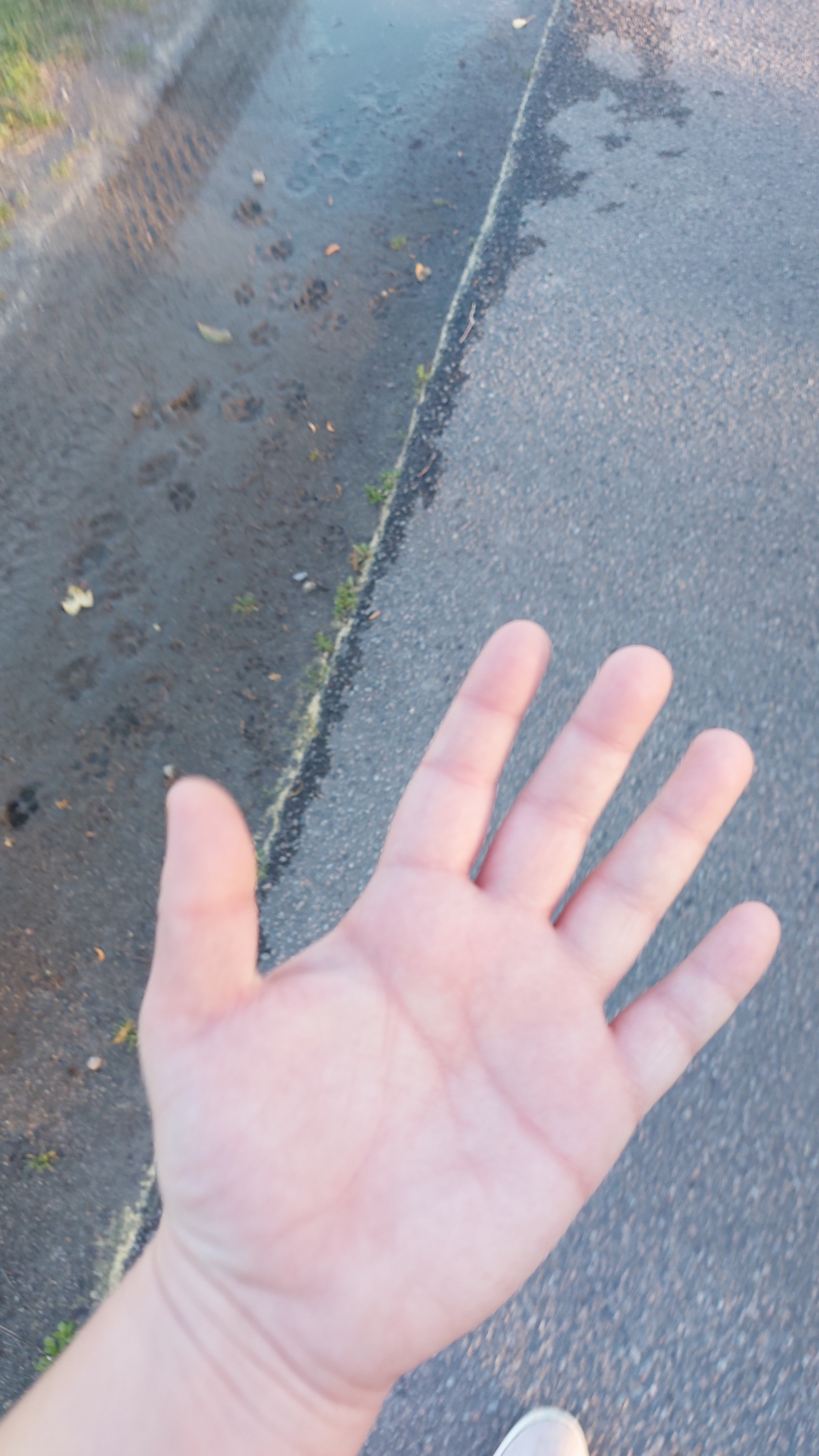
Fingers swell when walking because of blood flow changes, arm swinging, heat, or salt intake. It is usually harmless.
Reasons
- Blood flow: during exercise, vessels dilate and fluid pools in hands due to gravity and arm swinging. Centrifugal force pushes blood to the hands.
- Heat: the body sends blood to the skin to cool.
- Salt and fluid retention.
- Tight rings.
Is it normal
Usually yes and harmless.
What helps
Swing arms in larger arcs, raise hands above your heart, make fists, drink water and cut salt. Remove rings before walking.
See a doctor if
Swelling is sudden, persistent, painful, or with shortness of breath or chest pain.
Medical causes
Kidney, heart or thyroid problems, and medicines.
Hydration
Match fluid with sweat loss.
Reasons
Fingers may swell during a walk because of how the body regulates blood flow and fluid during exercise. As you walk, your heart pumps more blood, and blood vessels in the arms widen to release heat. Gravity and arm swing add centrifugal force that pushes fluid to the hands. Sodium retention and sweat loss can also shift fluids. Studies suggest that arm swinging, with a hand hanging below the heart, pools blood in the hands.
Is it normal
Mild finger swelling during or after walking or running, especially in warm weather, is common and normal. It tends to fade within an hour after exercise. About 1 in 5 people notice swollen hands during exercise.
What helps
- Raise your hands above your heart or at your chest level for a while.
- Bend your elbows to 90 degrees and swing arms gently, or pump your fists open and closed as you walk.
- Remove rings before exercising. Swelling can trap a ring, and in rare cases require cutting it off.
- Stay hydrated and avoid very salty food before walks.
- Stretch your fingers and wrists.
- Wear light, loose clothing and sleeves.
- Cool hands with water after exercise.
See a doctor if
Swelling persists after exercise, is painful, red or warm, affects one hand only, comes with shortness of breath, chest pain, rapid weight gain or swollen legs and face, or you notice numbness or tingling.
Medical causes
- Heart failure, kidney disease or liver disease cause fluid retention.
- Hypothyroidism.
- Preeclampsia in pregnancy, marked by sudden swelling and high blood pressure.
- Medications such as NSAIDs, calcium channel blockers, steroids and hormone therapy.
- Arthritis, carpal tunnel syndrome or tendon problems.
- Lymphedema and blood clots.
- High salt diet.
- Exercise-associated hyponatremia from drinking too much water in endurance events.
Hydration
Drink water regularly, but do not overdrink during long walks. Follow thirst as a guide. Avoid salt tablets unless advised by a doctor. Weigh yourself before and after prolonged exercise to check your fluid balance.
Circulation and fluid facts
Hand swelling during walking or exercise is common because the blood flow to the arms increases and the arms swing below heart level, so fluid pools in the fingers. It is usually harmless and more noticeable in heat and humidity. Salt intake, dehydration and hormonal shifts add to swelling. Rings may feel tight, and removing them before exercise is safe. Clenching the fists, raising the hands above the heart level for a few minutes, avoiding heavy backpack straps and drinking water help. Exercise associated hyponatremia, caused by drinking too much water without electrolytes during long events, can cause swelling and requires attention. Persistent swelling of the fingers may be a symptom of arthritis, kidney disease, heart failure, thyroid problems or lymphedema. See a doctor if swelling is sudden, one sided, painful or comes with shortness of breath, chest pain or swelling elsewhere.
Based on data from the Mayo Clinic and the American College of Sports Medicine