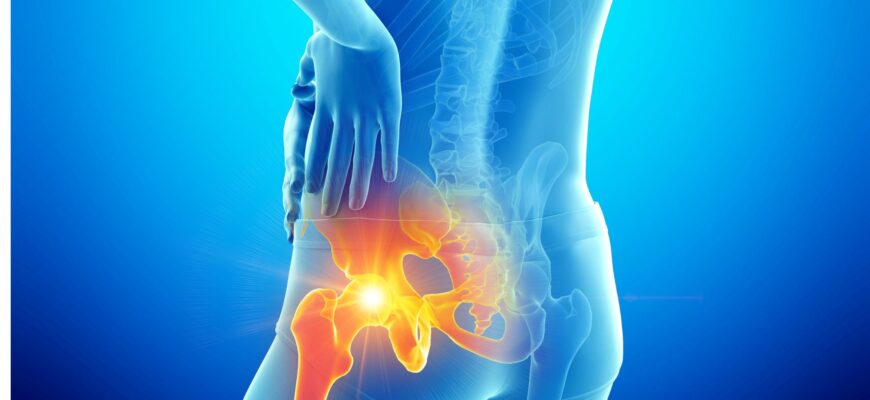
Hip pain can be caused by arthritis, bursitis, a strained muscle, or poor posture. See a doctor if it is severe or persistent.
Common causes
- Osteoarthritis.
- Bursitis.
- Muscle or tendon strain.
- Labral tear or hip impingement.
- Sciatica or referred back pain.
- Poor posture or sleeping position.
Home care
Rest, ice or heat, gentle stretching and NSAIDs.
See a doctor
If you can’t bear weight, the hip looks deformed, or pain follows a fall, or comes with fever.
Prevention
Strengthen the glutes and core.

Joint causes
- Osteoarthritis in the hip joint, causing groin pain and stiffness, particularly after rest.
- Hip bursitis, with pain on the outer hip.
- Tendinitis of hip flexors or the gluteal tendons.
- Labral tears and femoroacetabular impingement.
- Hip fractures, particularly in older adults with osteoporosis.
- Avascular necrosis.
Referred pain
Hip pain can come from the lower back, sacroiliac joint, hernias, or from kidney stones and gynecologic conditions. Pain in the groin usually comes from the hip joint, and pain on the outer hip or buttock often comes from the back or soft tissues.
Risk factors
Age over 50, excess weight, prior injury, repetitive activity such as running, and a sedentary job.

Home care
- Rest and avoid activities that cause pain.
- Ice or heat for 15 to 20 minutes.
- NSAIDs when safe.
- Gentle stretching of the hip flexors, piriformis and glutes.
- Strengthen hips and core with exercises such as bridges and clamshells.
- Use a cane on the opposite side if needed.
- Low impact exercise like swimming and cycling.
- Shoes with good cushioning.
Weight
Each pound lost reduces load on the hips by 3 to 4 pounds per step, according to research.
See a doctor if
Pain is severe, follows a fall, comes with inability to bear weight, a deformed hip, fever, swelling or redness, or lasts more than a few weeks. Treatments include physical therapy, injections and hip replacement surgery, with more than 450,000 hip replacements done each year in the US.
Specific hip conditions
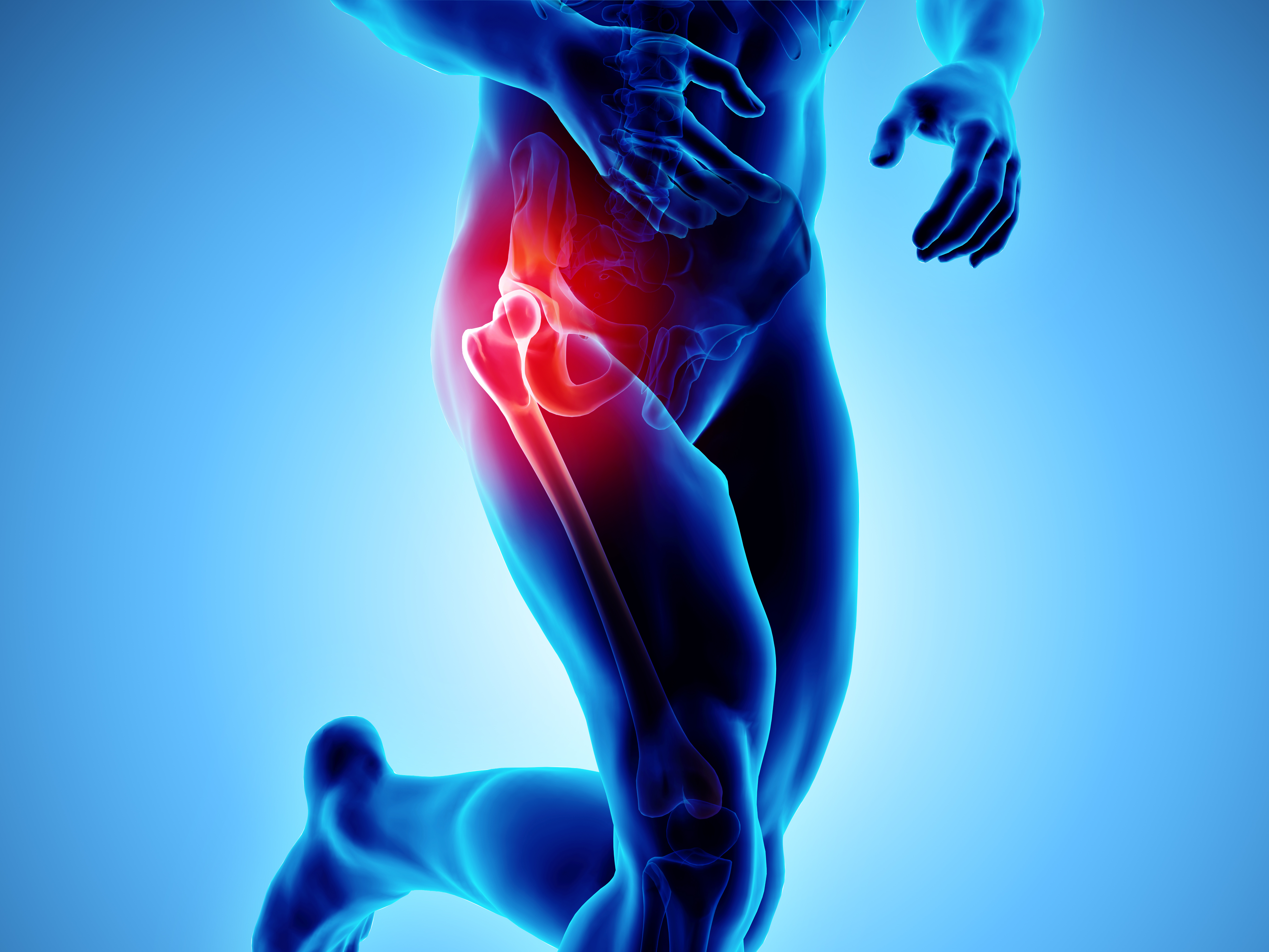
Hip pain can come from osteoarthritis, bursitis, tendon problems such as gluteal tendinopathy, labral tears, femoroacetabular impingement, stress fractures, hip dysplasia and, in older adults, fractures. Pain in the groin usually points to the joint itself, while pain on the outer side often involves bursitis or tendons. Pain in the buttock or hip may be referred from the lower back, the sacroiliac joint, or a pinched nerve. In pregnancy, the hormone relaxin loosens ligaments, causing hip and pelvic pain in many women.
Home care and warning signs
Maintaining a healthy weight lowers stress on the hips, since each pound of body weight adds several pounds of force on joints. Use heat or ice, NSAIDs, gentle stretching and strengthening exercises for the hip and core, and low impact activities such as swimming or cycling. Choose supportive shoes. See a doctor if pain follows a fall, you cannot bear weight, the hip looks deformed, or you have fever, severe night pain or swelling. Hip replacement is performed for about 450,000 Americans each year when other treatments fail.
Based on data from the American Academy of Orthopaedic Surgeons and the Arthritis Foundation