Music affects the brain by activating areas for emotion, memory, and reward, releasing dopamine and influencing mood and focus.
Effects
- Emotion: activates the amygdala.
- Reward: releases dopamine in the nucleus accumbens.
- Memory: the hippocampus links songs with events.
- Movement: motor areas respond to rhythm.
Benefits
- Lowers stress and cortisol.
- Helps pain and mood.
- Music therapy helps dementia patients recall memories.
Training
Learning an instrument builds brain connectivity.
Research
A 2011 McGill study found music raised dopamine release by up to 9%.
Brain regions involved
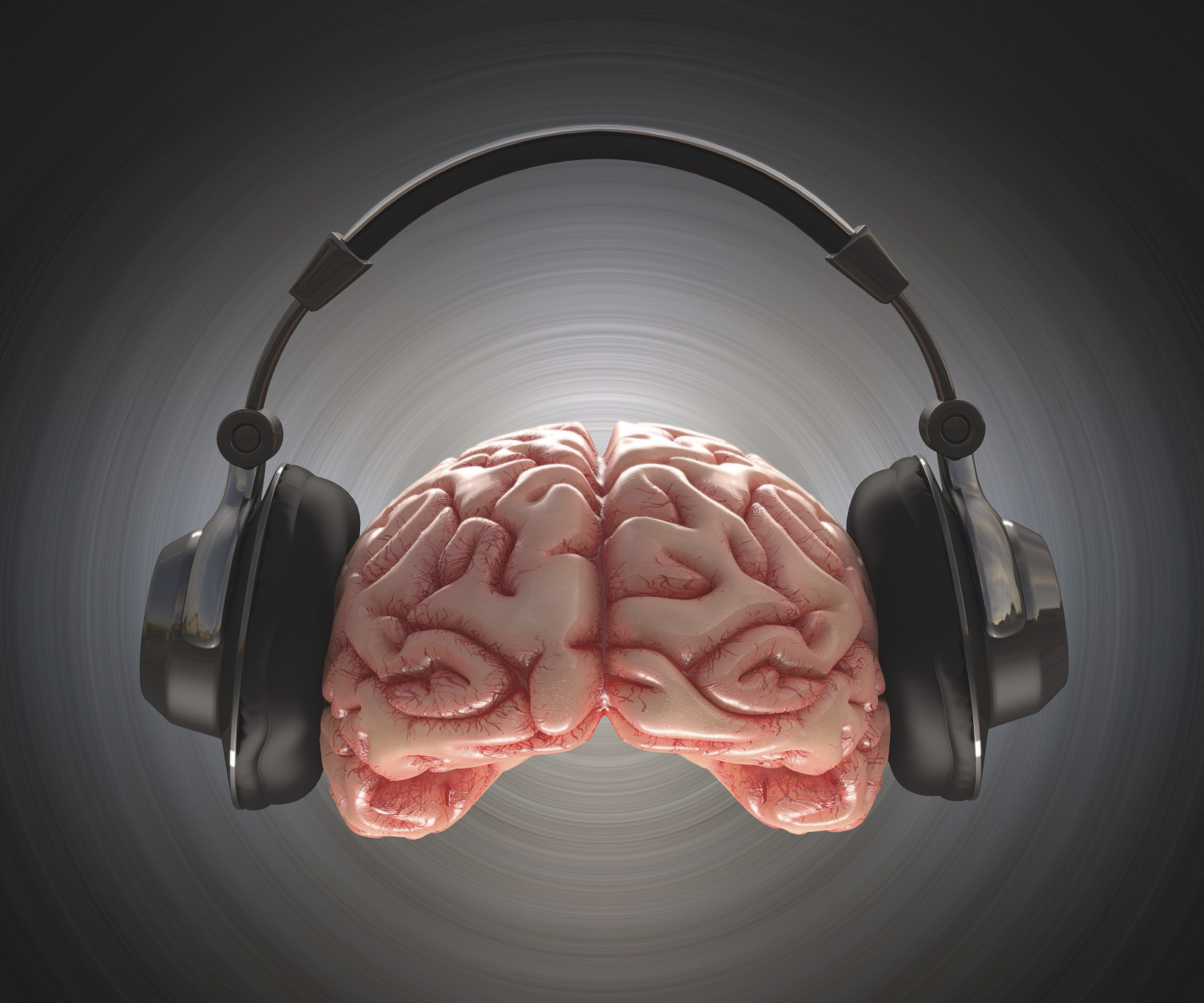
Listening to music activates auditory areas, the motor cortex (even when you stay still), the prefrontal cortex, the hippocampus for memory, the amygdala for emotion and the nucleus accumbens in the reward system.
Dopamine
A 2011 study by Valorie Salimpoor at McGill University used PET scans and found that listening to music that gives chills releases dopamine in the striatum. Dopamine release occurred both in anticipation of a peak moment and at the peak.
Mood and stress
Music reduces cortisol levels in some studies and lowers anxiety before surgery. A review in The Lancet (2015) found that listening to music before, during or after surgery reduced pain and anxiety.
Memory and dementia
People with Alzheimer’s disease can often recall songs and respond to familiar music, even when other memories fade. Music therapy is used to improve mood and engagement.
Learning an instrument

Musical training is associated with a thicker corpus callosum and increased gray matter in auditory and motor areas. Studies suggest benefits in language and executive functions, though cause and effect are debated.
The “Mozart effect”
The original 1993 study claimed a short boost in spatial reasoning after listening to Mozart. Later research did not support long term intelligence gains, and the effect is attributed to mood and arousal.
Exercise
Music with a tempo matching the pace can improve endurance and make exercise feel easier.
Sleep
Slow music of 60 to 80 beats per minute before bed can improve sleep quality in some studies.
Hearing safety
Prolonged exposure to sound above 85 decibels can cause hearing damage. Keep headphone volume at or below 60% for no more than 60 minutes at a time as a rule of thumb.
Reward system and mood
Listening to music activates brain regions involved in hearing, emotion, memory and reward. A 2011 study in Nature Neuroscience found that listening to music a person finds pleasurable causes dopamine release in the striatum, the same system linked to food and other rewards. Music can reduce stress hormones such as cortisol, lift mood and ease anxiety before surgery. Upbeat tempos of 120 to 140 beats per minute are linked to better exercise performance, and slow music around 60 to 80 beats per minute is used to help sleep.

Learning, memory and hearing health
Learning an instrument is linked to stronger connections between brain hemispheres and improved auditory processing. Music therapy can reduce agitation in people with dementia, and familiar songs can trigger memories even when other memories fade. The “Mozart effect,” a 1993 finding that listening to Mozart briefly boosted spatial reasoning, has not held up as a way to raise intelligence. Protect hearing: sounds above 85 decibels, as loud earbuds can reach, can cause permanent damage over time, and the WHO recommends the 60/60 rule of no more than 60 percent volume for 60 minutes.
Based on data from the journal Nature Neuroscience and the World Health Organization