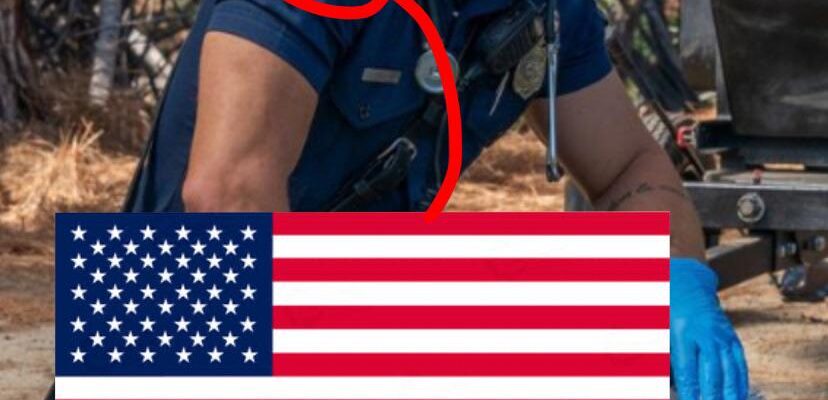
A flag hung upside down is a signal of distress. A backwards flag is usually a mistake or a style on uniforms, where the field of stars faces forward.
Upside down
Flying the US flag upside down is a signal of dire distress, as stated in the US Flag Code.
Backward
The flag’s union (stars) should be on the observer’s left. If it’s reversed, it was probably displayed incorrectly.
Protests
Some use it to express protest or distress.
Proper display
Flag Code 4 U.S.C. 7 sets out the rules for displaying the flag.
Damaged flags
Retire them respectfully, by burning in a dignified manner.
US Flag Code
The Flag Code (Title 4 of the US Code) says that the flag should never be displayed with the union (blue field) down, except as a signal of dire distress in instances of extreme danger to life or property. It is a code of etiquette, not a criminal law.
Backward or reversed
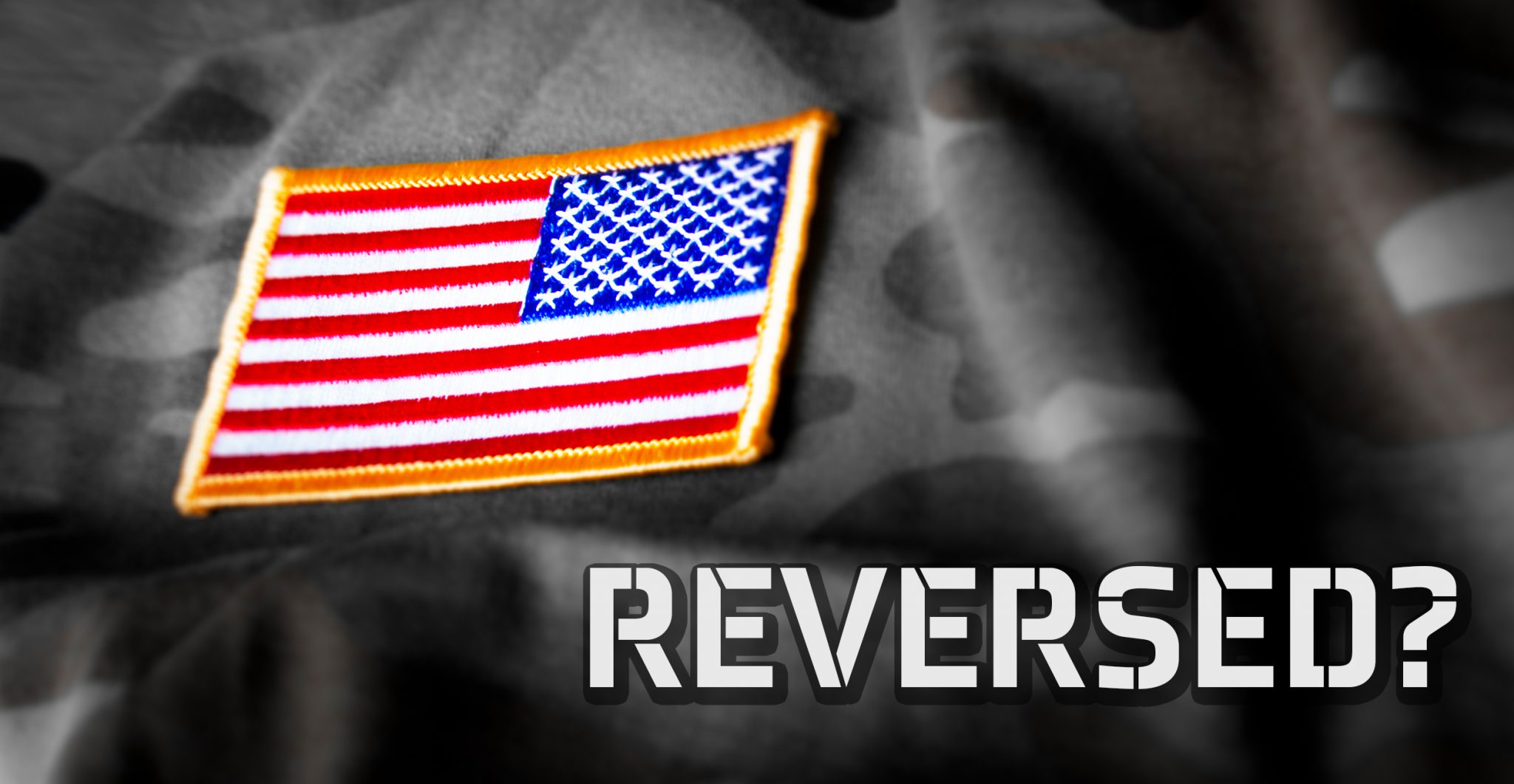
When a flag is hung or displayed on a vehicle or uniform on the right side, the union should face forward. On the right sleeve of a military uniform, the flag patch is shown reversed, with the union at the right, so it looks like the flag is flying forward as the wearer moves. Seeing a flag “backward” in that case is correct.
Vertical display
When hung vertically against a wall or in a window, the union should be at the top and to the flag’s own right, which is the observer’s left.
Protest uses
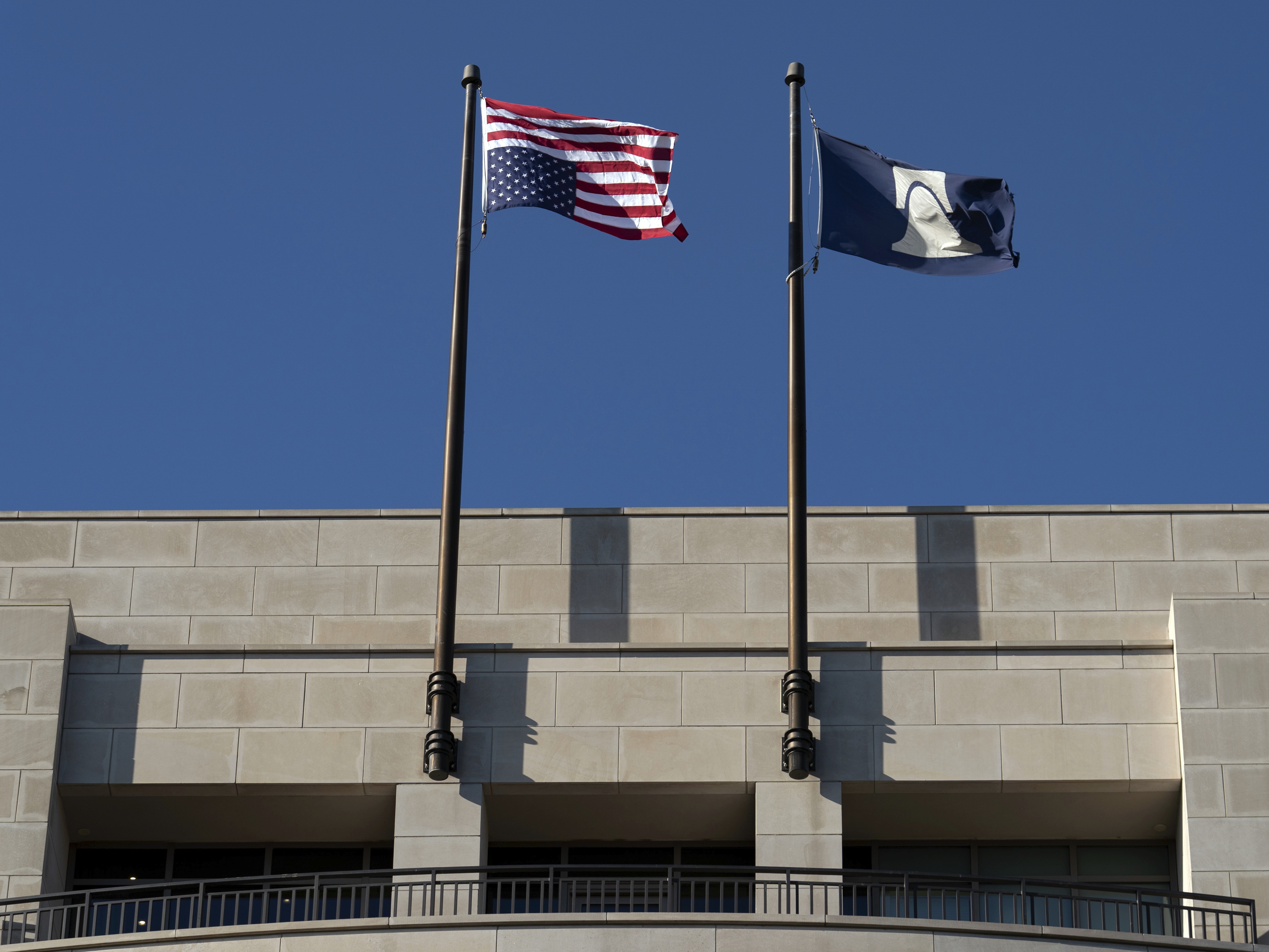
Some protest groups fly the flag upside down to signal distress. The Supreme Court ruled in cases such as Texas v. Johnson (1989) that flag burning and desecration as expression are protected speech under the First Amendment.
Proper display basics
- Display from sunrise to sunset, or illuminate it at night.
- Do not let it touch the ground.
- Do not use it as clothing, bedding or drapery.
- Fly it at half staff when ordered, raising it first to the peak.
Worn or damaged flags
A flag that is tattered or faded should be retired respectfully, preferably by burning in a dignified manner. Many American Legion posts, VFW posts and scouts hold flag retirement ceremonies.
Local rules
State laws vary, but the Flag Code is advisory.
Number of stars
The current flag has 50 stars and 13 stripes, adopted July 4, 1960.
Flag Code details
Under the US Flag Code (4 U.S.C. sections 5 to 10), the union, the blue field with stars, should always be at the upper left from the viewer’s perspective, called the place of honor. A flag displayed with the union at the upper right is reversed. The flag flown upside down, with the union at the bottom, is a signal of dire distress or extreme danger to life or property. On military uniform sleeves and some vehicles, the flag patch appears reversed on the right shoulder or side, with the stars forward, so the flag looks as if advancing into battle, and this is authorized.
Respect and legal status
The Flag Code is advisory for civilians and carries no penalties, and the Supreme Court held in Texas v. Johnson (1989) that burning the flag as political protest is protected speech. A worn or damaged flag should be retired respectfully, preferably by burning, through groups such as the American Legion. The current flag has 50 stars, added when Hawaii became a state, and the design took effect on July 4, 1960. When displayed vertically, the union should be at the top and at the observer’s left.
Based on data from the US Code and the Department of Veterans Affairs