Cats need a tail for balance, communication, and warmth.
Balance
The tail works like a counterweight, helping cats balance when running, jumping and walking on narrow ledges.
Communication
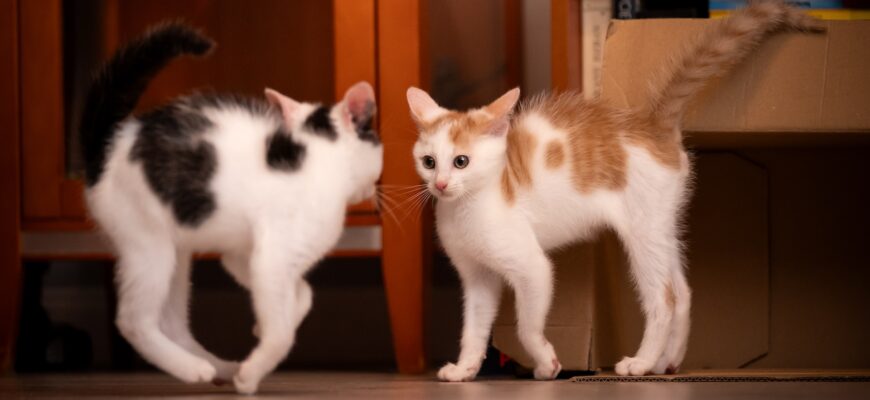
A raised tail signals friendliness. A puffed tail signals fear. A swishing tail signals irritation.
Warmth
Cats wrap their tails around their body to keep warm.
Anatomy
A cat has about 18 to 23 vertebrae in its tail.
Tailless cats
Manx cats can manage without a tail.
Balance
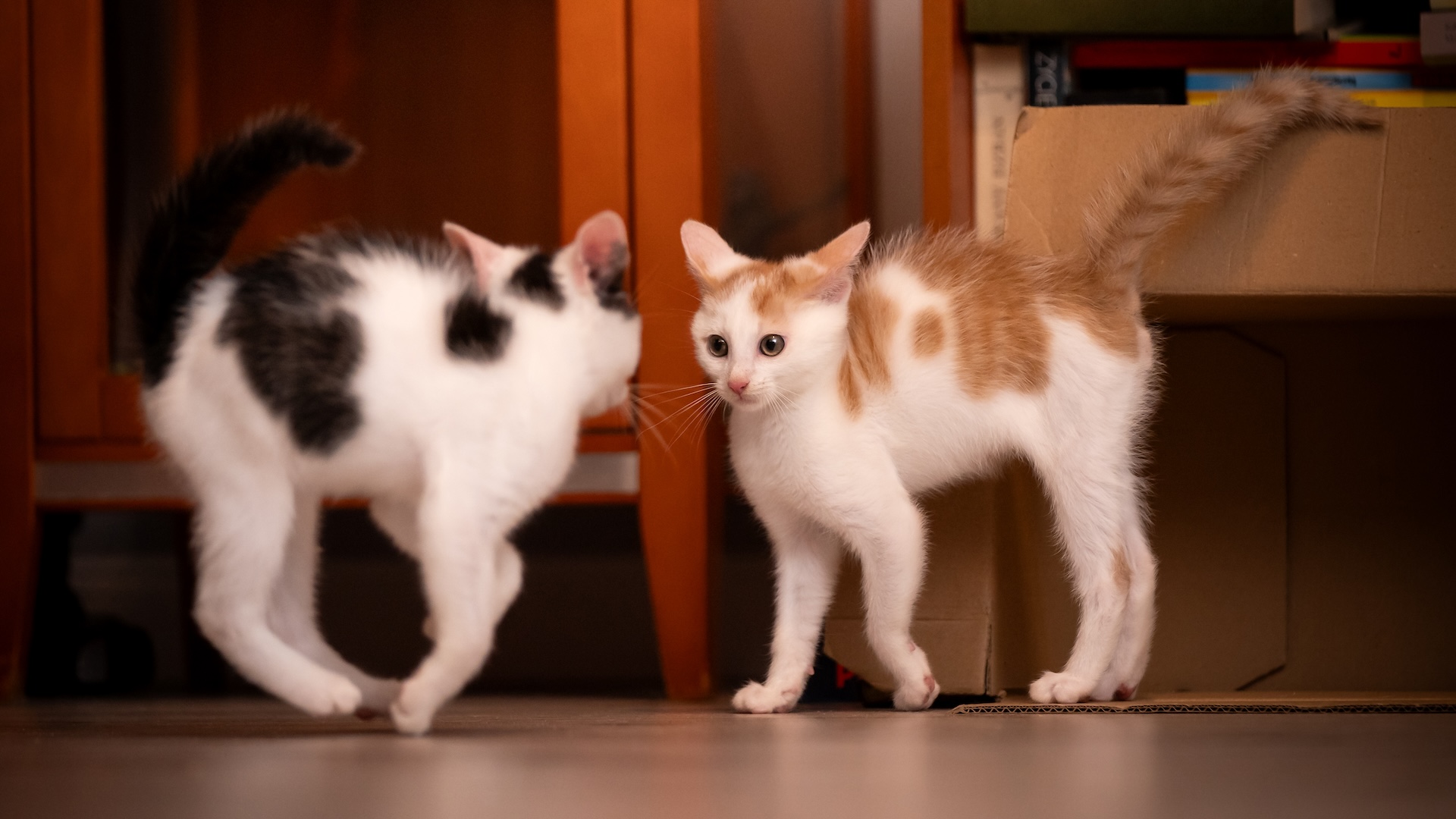
The tail works as a counterweight and rudder, helping cats keep balance when walking on narrow ledges, jumping and turning. When falling, a cat twists its body in the air to land on its feet (the righting reflex), and the tail helps adjust rotation.
Speed
Cheetahs use their long tails like a rudder to make sharp turns while running at speeds up to 60 to 70 miles per hour.
Communication
- Upright tail: friendly greeting or confidence.
- Question mark shape: playful, friendly.
- Low or tucked tail: fear or submission.
- Puffed up tail: fright or aggression.
- Quick lashing: irritation or arousal.
- Slow sway: focus, such as when hunting.
Cats use tail position to communicate with other cats and with humans.
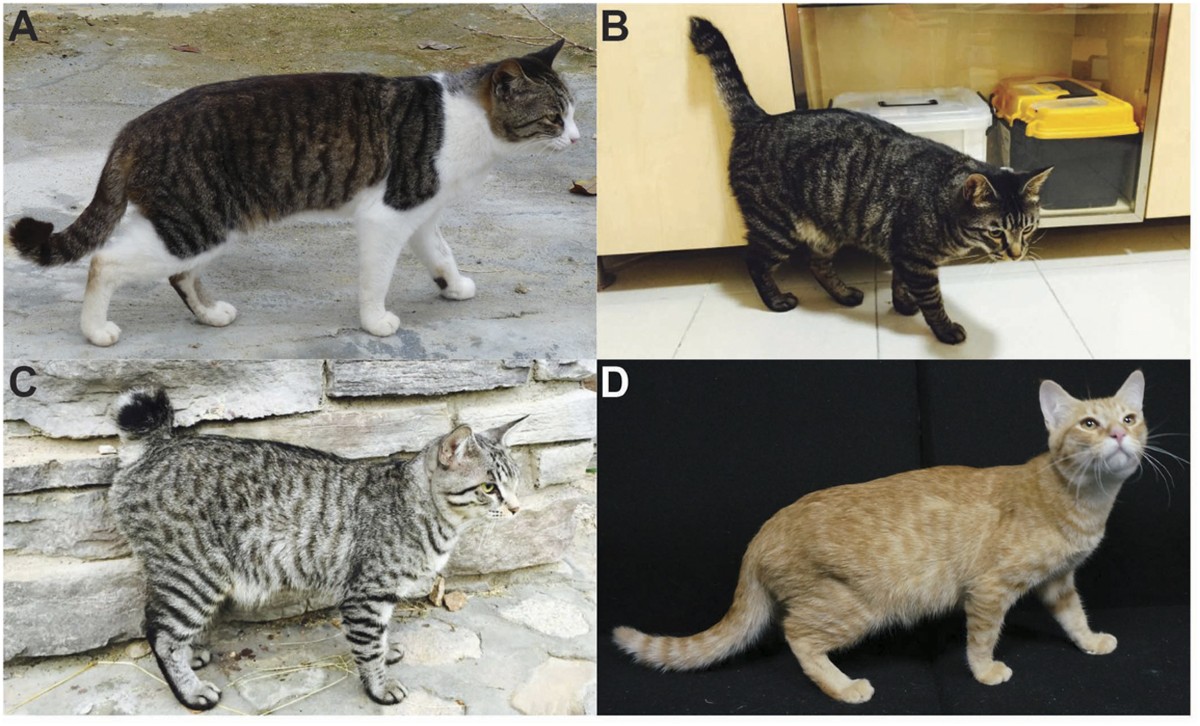
Warmth
Cats wrap their tails around their bodies when sleeping to retain warmth and protect the nose and paws.
Anatomy
A cat’s tail has about 18 to 23 vertebrae, accounting for roughly 10% of the total number of bones in the body, and is controlled by muscles and nerves. It makes up about 5% to 10% of a cat’s length.
Tailless cats
Manx cats are born without tails or with short ones due to a spinal gene mutation. They can have spinal problems (Manx syndrome). Bobtail breeds like the Japanese Bobtail and American Bobtail have naturally short tails.
Tail injuries
Pulling or trapping a cat’s tail can damage nerves and cause incontinence, as the tail nerves are connected with the bladder and bowel. See a vet for any tail injury.
Handling
Never grab or pull a cat’s tail, as it is sensitive.
Tail anatomy and balance
A cat’s tail contains about 18 to 23 vertebrae, which can be roughly 10 percent of all the bones in its body, and these are surrounded by muscle and nerves. When a cat runs, jumps or walks along a narrow fence, the tail acts as a counterbalance by shifting weight, much as a tightrope walker uses a pole. In fast turns, the tail helps steer. Cats also use their tails for warmth when curled around their nose and paws while sleeping.

Tail language and injuries
A tail held straight up often signals a friendly greeting, a puffed tail signals fear or alarm, a low or tucked tail indicates anxiety, and a rapid lash suggests irritation. Some breeds, such as the Manx and Japanese Bobtail, have a genetic mutation that shortens or removes the tail. Never pick up a cat by its tail, as injuries can damage nerves that control the bladder and bowels. Seek a vet for a limp, swollen or painful tail, or if the cat cannot lift it.
Based on data from the American Veterinary Medical Association and International Cat Care