Credit scoring uses your payment history, amounts owed, length of credit history, new credit, and types of credit to calculate a score, typically from 300 to 850.
Factors in FICO
- Payment history: 35%.
- Amounts owed (utilization): 30%.
- Length of credit history: 15%.
- New credit: 10%.
- Credit mix: 10%.
Range
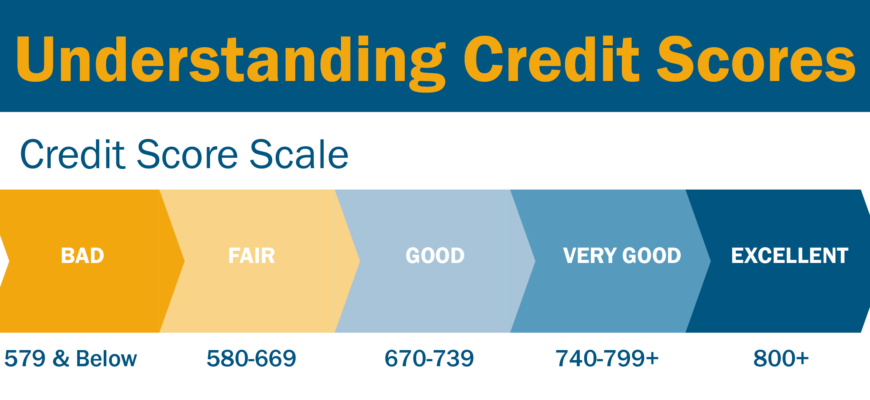
300 to 850. A score of 670 to 739 is good, 740 to 799 very good, and 800 and above exceptional.
Improving
Pay on time, keep utilization under 30%, and avoid new applications.
Free reports
At AnnualCreditReport.com.
Credit scoring models
FICO scores range from 300 to 850, and VantageScore from 300 to 850 too. FICO is used in the majority of lending decisions. There are many versions, such as FICO 8, FICO 9 and industry-specific scores for auto and credit cards.

Weights in FICO
- Payment history: 35%.
- Amounts owed (utilization): 30%.
- Length of credit history: 15%.
- New credit: 10%.
- Credit mix: 10%.
Score ranges
FICO: 800 to 850 exceptional, 740 to 799 very good, 670 to 739 good, 580 to 669 fair, 300 to 579 poor. According to FICO, the average US score was about 715 in 2023.
Utilization
Keep revolving balances below 30% of limits, and below 10% for the best scores.
Hard inquiries

Applying for credit leads to a hard inquiry, which may lower your score a few points for up to 12 months. Inquiries for the same type of loan in a short window (14 to 45 days) count as one.
Negative items
Late payments of 30 days or more stay for 7 years. Bankruptcies stay up to 7 to 10 years.
Free reports
You can get free weekly reports from Equifax, Experian and TransUnion at AnnualCreditReport.com. Checking your own credit does not affect your score.
Improving
- Pay on time every time.
- Reduce balances.
- Don’t close old accounts.
- Dispute errors with the credit bureaus.
- Become an authorized user on a good account.
Not in the score
Income, age, race, gender, marital status and location are not factors.
Scoring models and weights
FICO scores range from 300 to 850. FICO weights payment history at about 35 percent, amounts owed (utilization) at 30 percent, length of credit history at 15 percent, new credit at 10 percent and credit mix at 10 percent. VantageScore uses a similar range and a different weighting. Typical ranges are 300 to 579 poor, 580 to 669 fair, 670 to 739 good, 740 to 799 very good and 800 and above exceptional. Keeping credit card balances below 30 percent of limits, and ideally under 10 percent, is advised.

Items that affect the score
A hard inquiry from applying for credit usually reduces a score by a few points and stays on the report for two years, though it only affects the score for about one year. Late payments, collections and charge offs can remain for seven years, and bankruptcy can stay for up to 10 years. Income, age, race and marital status are not part of credit scores. You can get a free credit report weekly from AnnualCreditReport.com from the three bureaus: Equifax, Experian and TransUnion. Dispute errors with the bureau, and pay on time every month to improve the score.
Based on data from FICO and the Consumer Financial Protection Bureau