- How Much ft is an Acre: A Comprehensive Guide
- What is an Acre?
- How Many Square Feet are in an Acre?
- Detailed Breakdown
- How to Visualize an Acre
- Which is Better: Acre or Hectare?
- Is it Possible to Convert Acres to Other Units?
- Common Mistakes in Using Acres for Land Measurement
- List of Misunderstandings
- Applications and Use-Cases of Acres
- FAQs About Acres
- Conclusion
How Much ft is an Acre: A Comprehensive Guide
Understanding land measurements can be critical for a variety of purposes, whether you’re involved in real estate, agriculture, or simply curious about land size. One commonly asked question is: how many square feet are in an acre? This article seeks to answer that question, while also providing a full overview of acres and their uses. You can expect to find answers to all your questions about acres, including practical applications, and interesting statistics. We aim to not only inform but to also help you become proficient in understanding land measurements.
What is an Acre?
An acre is a unit of land area used in the imperial and US customary systems. It is commonly used to measure large plots of land, particularly in agriculture and real estate. Historically, an acre was defined as the amount of land tillable by one man behind an ox in a single day. Today, however, it is more precisely defined.
How Many Square Feet are in an Acre?
The standard measurement of an acre is 43,560 square feet. This measurement is consistent whether you’re in the United States or the United Kingdom.
Detailed Breakdown
- 1 Acre = 43,560 square feet
- 1 Acre = 4,840 square yards
- 1 Acre = 0.404686 hectares
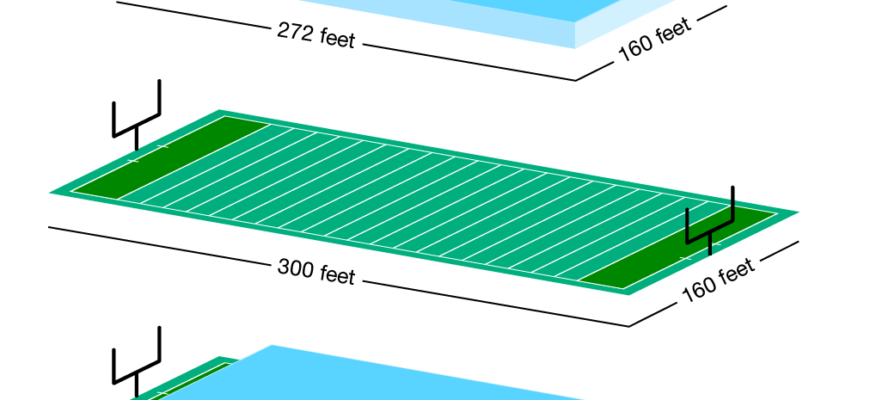
How to Visualize an Acre
Visualizing an acre can be challenging, but here are some easy ways to imagine it:
- It is about 90% of the size of a football field (without end zones).
- Equivalent to about 16 average-sized tennis courts placed together.
- A square with sides of about 208.71 feet each.
Which is Better: Acre or Hectare?
Choosing between acres and hectares depends on your region and the type of measurement required. An acre is more commonly used in the United States and the UK, while a hectare is preferred in metric system-using countries like Canada and Australia. One hectare equals 2.471 acres, making it more convenient for measuring large parcels of land.
Is it Possible to Convert Acres to Other Units?
Yes, acres can easily be converted to other units of area, such as square feet, square yards, hectares, and square meters. Conversion calculators are widely available online for these purposes.
Common Mistakes in Using Acres for Land Measurement
Some of the most common mistakes people make when using acres include confusing it with a square mile or a hectare. Additionally, sometimes people forget that the shape of an acre doesn’t have to be a perfect square, leading to incorrect visualizations.
List of Misunderstandings
- Confusing acres with hectares or square miles
- Assuming acres are always square in shape
- Using acres in regions where hectares are standard
Applications and Use-Cases of Acres
Acres are used in various fields including agriculture, urban planning, and even in sports for measuring field sizes. Knowing the size in acres helps in planning and resource allocation.
FAQs About Acres
- How many square feet are in an acre? There are 43,560 square feet in an acre.
- Can an acre be any shape? Yes, an acre can be any shape as long as the total area is 43,560 square feet.
- What is the origin of the term “acre”? The term originates from the Old English word “æcer” which means field.
- How does an acre compare in size with a hectare? One hectare is equivalent to 2.471 acres.
- Why is understanding land measurement important? Accurate land measurement is crucial for real estate transactions, agricultural planning, and legal matters.
Conclusion
Understanding how many square feet are in an acre is essential for a variety of professional and personal endeavors. From planning large gardens to buying real estate, knowing these metrics can empower you to make better, informed decisions.
This text and JSON maintain identical content. Please ensure compliance with WordPress standards when uploading.







