Pelvic pain can be caused by menstrual cramps, urinary tract infection, constipation, muscle strain, or conditions like endometriosis. See a doctor if it persists.
Common causes
- Menstrual cramps and ovulation pain.
- Urinary tract infection.
- Constipation.
- Muscle strain or pelvic floor tension.
- Endometriosis, fibroids or ovarian cysts.
- Pelvic inflammatory disease.
At home
Heat, rest, gentle stretching and over-the-counter pain relievers.
See a doctor
If pain is severe, persistent, with fever, heavy bleeding or unusual discharge.
Emergency
Sudden severe pain or pregnancy with pain needs immediate care.
Pelvic anatomy
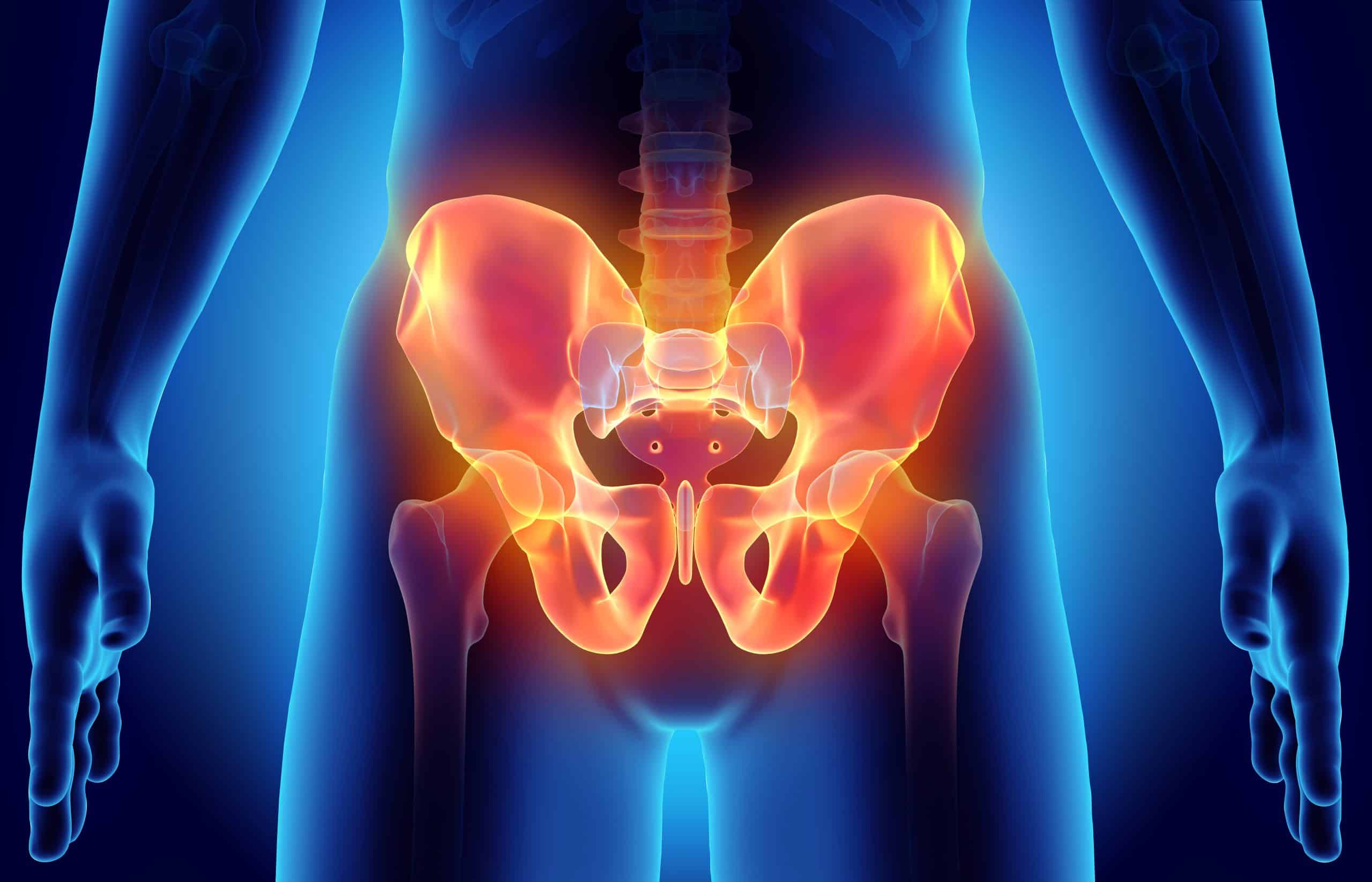
The pelvis includes the hip bones, sacrum, tailbone, pelvic floor muscles, bladder, rectum and, in women, the uterus, ovaries and fallopian tubes. In men, the prostate and seminal vesicles are also there. Pain can come from any of these.
Muscle and bone causes
- Pelvic floor muscle tension or spasm.
- Sacroiliac joint dysfunction.
- Pubic symphysis pain in pregnancy.
- Hip problems or arthritis.
- Hernias in the groin.
- Fractures or stress injuries.
Gynecologic causes
- Menstrual cramps and endometriosis.
- Ovarian cysts.
- Fibroids.
- Pelvic inflammatory disease.
- Ectopic pregnancy (emergency).
- Pregnancy changes.
Urinary and bowel causes
- Urinary tract infection and interstitial cystitis.
- Kidney stones.
- Constipation, irritable bowel syndrome, inflammatory bowel disease, diverticulitis and appendicitis.
In men

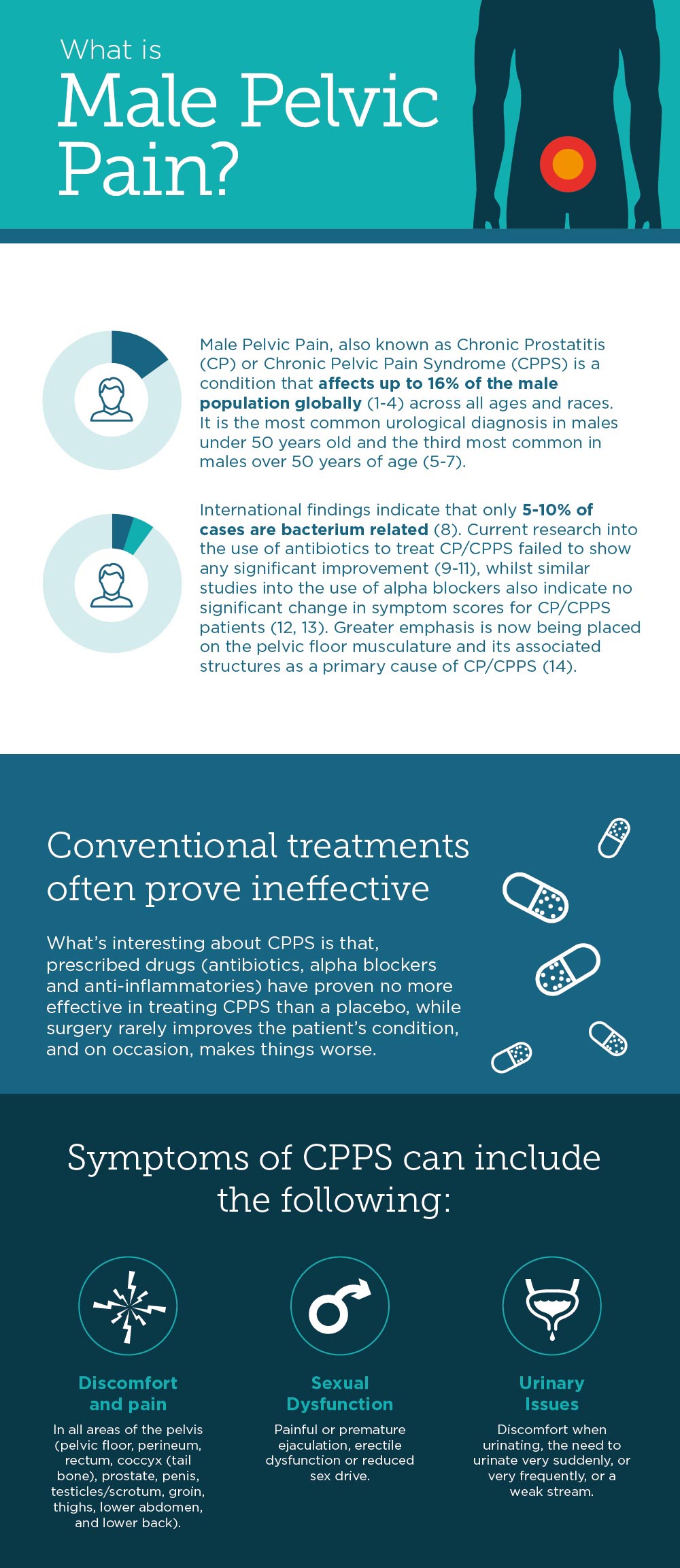
Prostatitis and chronic pelvic pain syndrome are common causes.
At home
- Rest and gentle stretching.
- Heat pad.
- Over the counter pain relievers as directed.
- Drink water and add fiber if constipated.
- Pelvic floor physical therapy for muscle related pain.
Chronic pelvic pain
Pain lasting 6 months or longer is called chronic pelvic pain and affects about 1 in 7 women, according to ACOG. It needs a full evaluation.
See a doctor if
Pain is severe, persistent, with fever, abnormal bleeding or discharge, painful urination, pain during sex or unexplained weight loss.
Emergency
Sudden severe pain with fainting, vomiting, a rigid belly or pregnancy needs immediate care.
Common sources of pelvic pain
Pelvic pain can come from the bones and muscles (pelvic floor tension, joint dysfunction), the reproductive organs (menstrual cramps, endometriosis, fibroids, ovarian cysts, pelvic inflammatory disease), the urinary system (UTI, kidney stones, interstitial cystitis) and the bowel (constipation, irritable bowel syndrome, diverticulitis). In men, prostatitis and chronic pelvic pain syndrome are common. Pelvic girdle pain affects about 20 percent of pregnant women. Hernias can also cause groin and pelvic discomfort.
Chronic pain and warning signs
Chronic pelvic pain, lasting 6 months or more, affects an estimated 14 to 24 percent of women of reproductive age. Treatment depends on the cause and can include physical therapy, medications, hormone therapy and, sometimes, surgery. Heat, gentle stretching and NSAIDs help mild pain. See a doctor for severe pain, fever, heavy bleeding, pain with urination, blood in urine or stool, pain during pregnancy, or a missed period with sudden pain, which could signal an ectopic pregnancy and needs emergency care.
Based on data from ACOG and the Urology Care Foundation







