Cats drool when they are content, but excessive drooling can signal nausea, dental disease, or toxins. See a vet if it is unusual.
Why cats drool
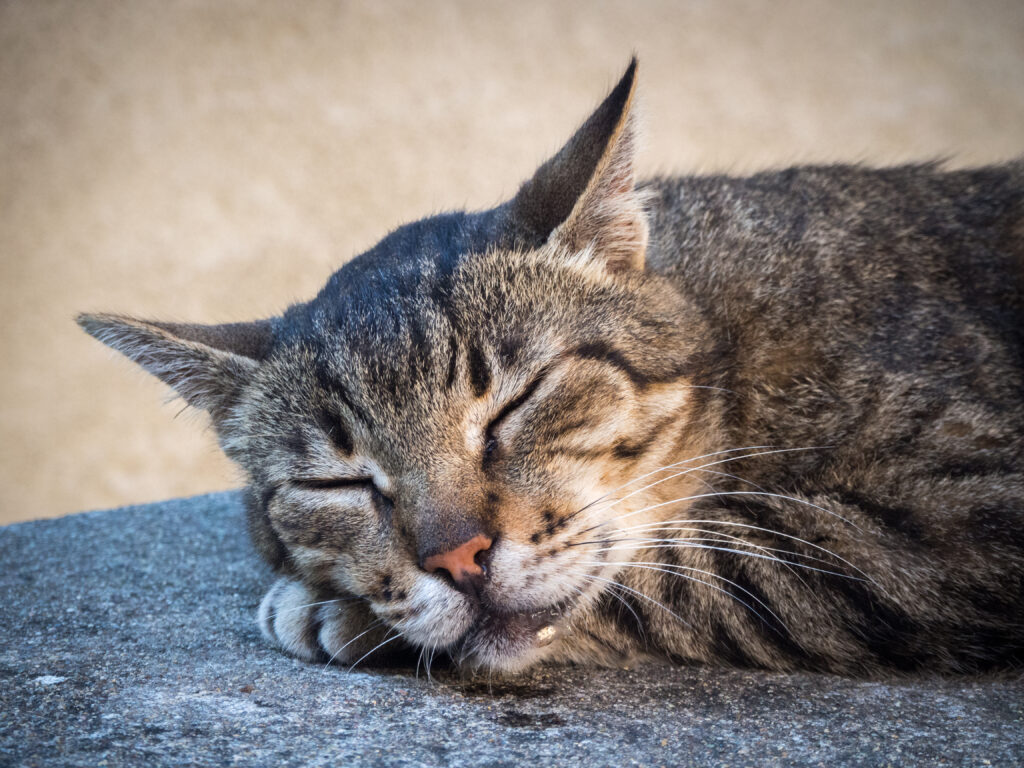
- Contentment: some cats drool while purring and kneading, a leftover from nursing.
- Nausea.
- Dental disease or mouth injuries.
- Toxins or poisonous plants.
- Respiratory infection and fear.
- Foreign body in mouth.
- Kidney disease.
Normal
Occasional drooling when relaxed is harmless.
See a vet if
Drooling is excessive, sudden, comes with bad breath, pawing at the mouth, loss of appetite or lethargy.
Medication
Some cats drool from bitter pills.
Emergency

Drooling after eating a plant like lilies, or if poisoned, needs immediate care. Call the ASPCA Poison Control at 888-426-4435.
Why cats drool
Drooling in cats is usually linked to either relaxation or a medical problem. Saliva is produced all the time, and cats swallow it without notice. Drooling occurs when there is too much saliva made, or a problem swallowing it.
Normal
- Contentment: many cats drool while purring and kneading, and this is related to nursing as kittens. It is common in cats that were weaned early.
- Anticipating food.
- Stress or fear, such as car rides and vet visits.
- A bitter taste from medicine or a plant.
- Motion sickness.
These cases are brief and the cat otherwise behaves normally.
Medical causes
- Dental disease: gingivitis, tooth resorption and stomatitis are common, and affect over 70% of cats older than 3.
- Mouth sores, foreign objects, a stuck string or bone.
- Upper respiratory infections, like feline calicivirus.
- Nausea and gastrointestinal disease.
- Kidney disease, which causes mouth ulcers.
- Poisoning from plants (lilies, dieffenbachia), insecticides, household cleaners or toxic foods.
- Heatstroke.
- Oral tumors.
- Rabies, a rare cause in vaccinated cats.
- Neurologic disease.
See a vet if
Drooling is new, constant or heavy, comes with bad breath, difficulty eating, pawing at the mouth, bleeding, red gums, weight loss, vomiting or lethargy. A vet can examine the mouth and take dental X-rays under anesthesia.
Medication
Some liquid and pill medicines taste bad, such as metronidazole and many antibiotics. Drooling after dosing is common and stops within a few minutes. Ask the vet for a flavored formulation or hiding the pill in a treat.
Emergency
Go to the emergency vet at once if drooling follows possible exposure to poison or lilies, a cat is struggling to breathe, collapses, has seizures, or has a swollen face or tongue. Call the ASPCA Poison Control Center at 888-426-4435 (a fee may apply).
Drooling signals and numbers
Cats may drool when very relaxed, as kittens kneading and purring show contentment, and some adult cats keep this habit. Nausea is another common cause, along with stress during car rides and vet visits. Dental disease affects about 70 percent of cats by age 3, and gingivitis, tooth resorption and oral tumors can lead to drooling, bad breath and difficulty eating. Chewing houseplants such as lilies, dieffenbachia and pothos can cause intense drooling from oral irritation, and lilies are especially dangerous because they can cause kidney failure in cats. Ingesting a bitter pill without a coating also produces drooling. Other causes include foreign objects in the mouth, upper respiratory infection, kidney disease and, rarely, rabies in unvaccinated cats. A sudden onset with pawing at the mouth, trouble breathing or lethargy needs urgent veterinary care.
What the vet may do
A veterinarian will examine the mouth under sedation if needed, check bloodwork for kidney and liver values, and possibly take dental X-rays. Treatment depends on the cause and can include dental cleaning, tooth extraction, medicines for nausea, or surgery for tumors or foreign bodies. For toxin exposure, call the ASPCA Animal Poison Control Center at 888-426-4435 right away, and note that a consultation fee may apply.
Based on data from the American Veterinary Medical Association and the ASPCA