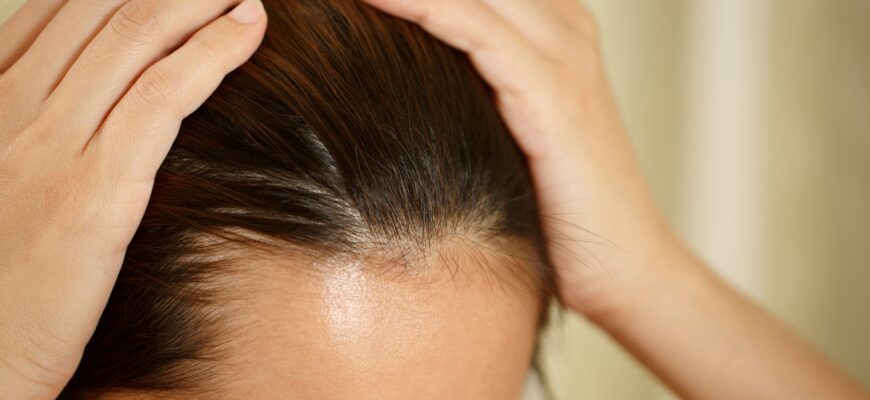
A scalp that aches is often from tight hairstyles, tension headaches, or scalp sensitivity.
Common causes
- Tight hairstyles (traction), ponytails and braids.
- Tension headaches.
- Scalp sensitivity (allodynia), sometimes with migraines.
- Dandruff, psoriasis or seborrheic dermatitis.
- Hair products and infections (folliculitis).
- Shingles: burning, blistering pain.
- Trichodynia, scalp pain without a visible cause.
Home care
Loosen hair, wash with gentle shampoo and avoid harsh products.
See a doctor if
Pain is severe, there are blisters, hair loss, fever or it lasts more than a few days.
Giant cell arteritis
New scalp tenderness with headache in people over 50 requires urgent care.

Stress
Stress can make it worse.
Why the scalp or hair can hurt
Hair itself has no nerves, so “hair ache” or tender hair is actually pain in the scalp, hair follicles or the nerves beneath them. The condition is sometimes called trichodynia. Hair follicles have a rich nerve supply, and tension on the scalp can make pulling or touching the hair painful.
Common causes
- Tight hairstyles such as ponytails, braids and extensions, which pull on follicles (traction).
- Tension headaches and migraines, in which scalp tenderness (allodynia) occurs in up to 70% of migraine sufferers.
- Stress and anxiety, which tighten scalp muscles.
- Telogen effluvium, hair shedding that can come with scalp sensitivity.
- Scalp conditions such as seborrheic dermatitis, psoriasis, folliculitis and dandruff.
- Sunburn, shingles (a painful rash along one side), or lice.
- Allergic or irritant reaction to hair dyes, shampoos and styling products.
- Skin infections such as ringworm of the scalp.
- Nerve problems, such as occipital neuralgia.
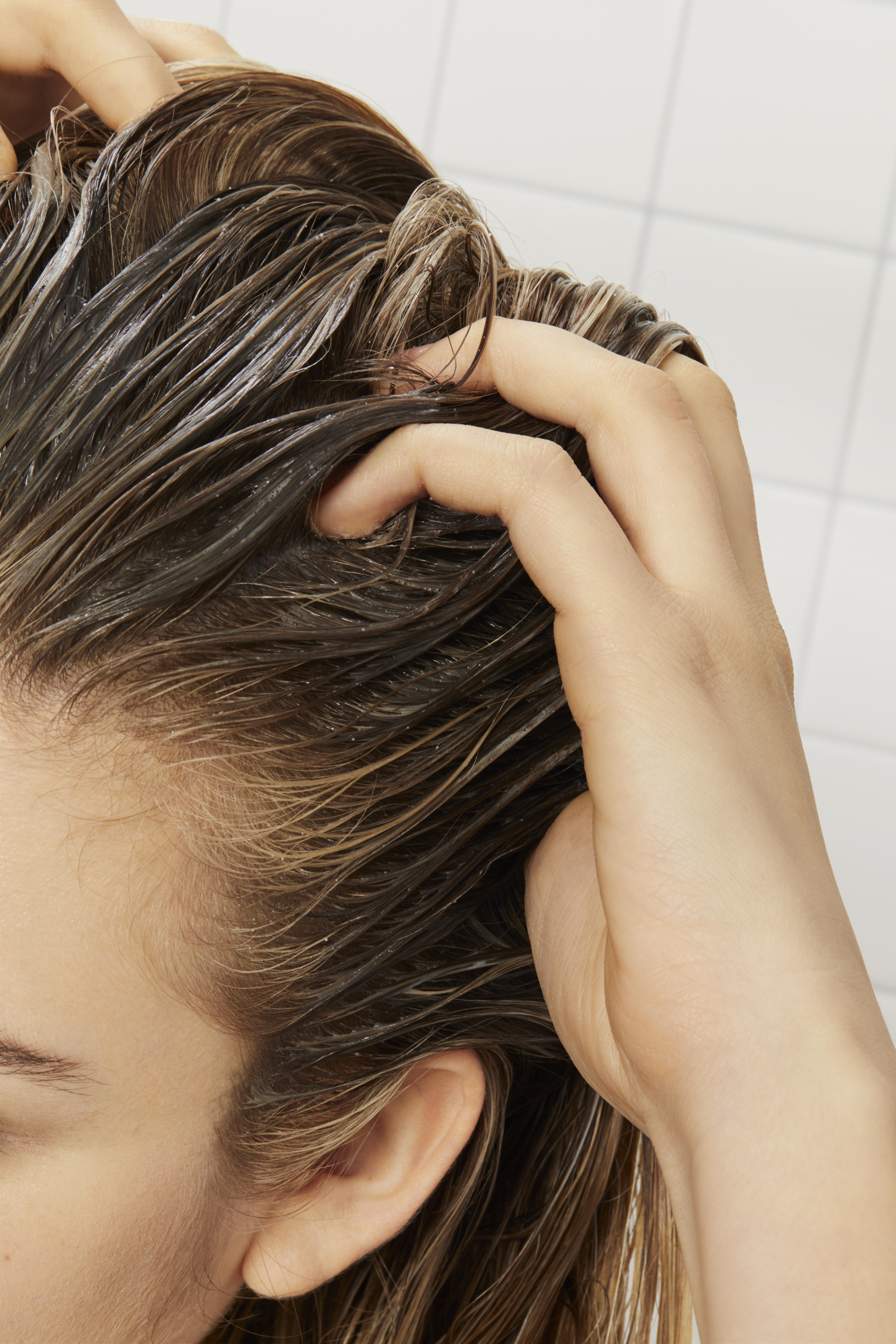
Home care
- Loosen hairstyles and avoid pulling the hair back tightly for long periods.
- Wash with a gentle shampoo, and use medicated shampoo with ketoconazole or zinc pyrithione for dandruff.
- Massage the scalp gently to relieve muscle tension.
- Apply a cool or warm compress.
- Take acetaminophen or ibuprofen for pain.
- Manage stress, get enough sleep and drink water.
See a doctor if
Pain lasts for more than a week, hair falls out in patches, there are sores, blisters, pus or a rash, or you have fever or jaw pain.
Giant cell arteritis
In people over 50, new scalp tenderness with headache, pain when chewing, vision changes or fever can signal giant cell arteritis, an inflammation of blood vessels in the head. It can cause permanent blindness if untreated, and needs urgent care with steroids. Do not wait.
Stress
Chronic stress can cause tense scalp muscles and a sensitive feeling in the hair. Exercise, relaxation techniques and counseling can help.

Related conditions and how common they are
Scalp tenderness can come from tension headaches, which affect an estimated 40 percent of people at some point, and from tight hairstyles that pull on follicles, a condition called traction alopecia if it continues. Migraine can cause allodynia, where normally harmless touch like brushing hair becomes painful, and this occurs in a majority of migraine sufferers during an attack. Shingles can cause burning scalp pain before a rash appears, and the shingles vaccine reduces risk by over 90 percent in adults 50 and older. Scalp conditions such as folliculitis, seborrheic dermatitis and psoriasis cause soreness and flaking. Hair products, dye allergies and sunburn are other causes. New scalp tenderness with jaw pain, vision changes or fever in a person over 50 should be checked urgently for giant cell arteritis.
Based on data from the American Migraine Foundation and the American Academy of Dermatology