An eye doctor dilates your eyes with drops to widen the pupils so they can see the retina and optic nerve clearly.
Why dilate
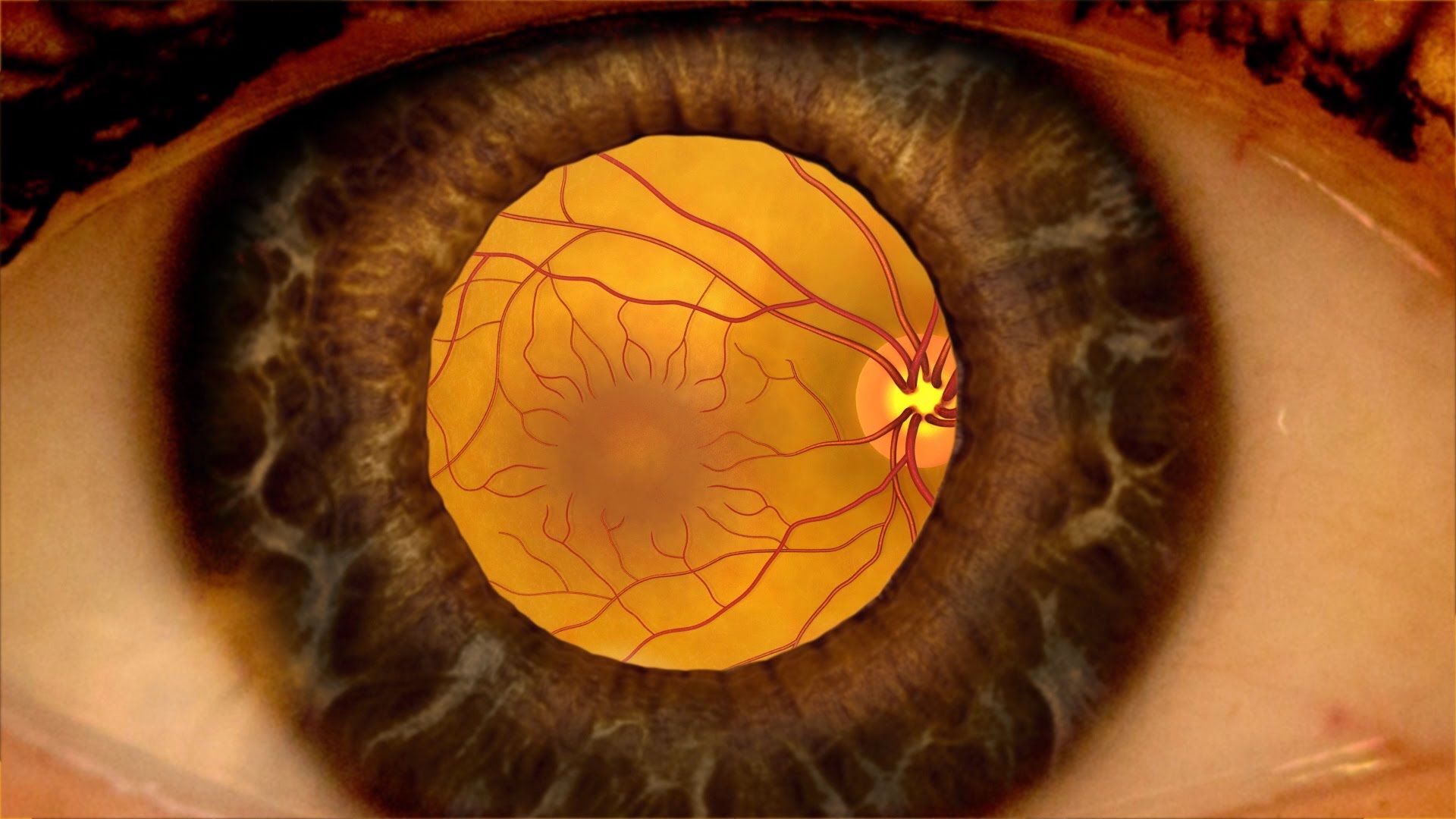
Eye drops widen the pupil, giving the doctor a wide view of the retina, optic nerve and blood vessels at the back of the eye.
What it detects
Diabetic retinopathy, glaucoma, macular degeneration, retinal tears and detachment.
How it works
Drops take 15 to 30 minutes to work. They last 4 to 6 hours, up to 24 hours in some.
Side effects
Blurred near vision, light sensitivity.
Tips
Bring sunglasses and arrange a ride if needed. Don’t drive until your vision clears.

Newer options
Wide-field retinal imaging (Optomap) may avoid dilation.
Frequency
Adults 40 and older every 1 to 2 years, or yearly if diabetic.
Why dilate
Eye doctors use dilating drops, which contain medicines such as tropicamide or phenylephrine, to widen the pupil (mydriasis). A normal pupil is about 3 to 4 millimeters in light, and dilation expands it to about 7 to 8 millimeters. A wide pupil lets the doctor see the back of the eye (retina, optic nerve, macula and blood vessels) in much greater detail through a lens. Without dilation, the view is only a small keyhole.
What it detects
- Diabetic retinopathy, a leading cause of blindness in working-age adults, affecting about 1 in 3 people with diabetes.
- Age-related macular degeneration, which affects about 20 million Americans.
- Glaucoma, damage to the optic nerve, which has no symptoms early.
- Retinal tears and detachments.
- High blood pressure damage in retinal vessels.
- Eye tumors, such as melanoma, and some signs of brain and systemic disease like swelling of the optic nerve.
- Infections and inflammation.
How it works
Drops are placed in each eye. After 15 to 30 minutes the pupil is fully dilated. Phenylephrine stimulates the dilator muscle, and tropicamide blocks the muscle that constricts the pupil (anticholinergic effect). The doctor examines using an ophthalmoscope or a slit lamp with a handheld lens.
Side effects
- Light sensitivity and blurry near vision, lasting 4 to 6 hours, sometimes up to 24 hours.
- Temporary stinging with drops.
- Rarely, in people with narrow-angle glaucoma, dilation can trigger acute angle closure, with eye pain, headache, nausea and halos around lights. This is an emergency.
- Allergy to drops.
Tips
- Bring sunglasses, and arrange a ride home if you feel unsafe driving. Many people can drive, but those with sensitive eyes may not.
- Avoid reading and screen work if uncomfortable.
- Tell the doctor about allergies and medications.
- Children may have longer effects with cyclopentolate.
Newer options
Wide-field retinal imaging (Optos) can photograph about 80% of the retina without dilation, but doctors still dilate when more detail is needed. Optical coherence tomography (OCT) scans the layers of the retina without drops.
Frequency
Adults with diabetes should have a dilated exam at least yearly. The American Academy of Ophthalmology advises a baseline exam at age 40, and every 1 to 2 years from 65.

Eye health conditions found
Dilating drops, such as tropicamide, widen the pupil so the eye doctor can see the retina, optic nerve and macula at the back of the eye. Dilation helps detect diabetic retinopathy, which affects about 1 in 3 people with diabetes, glaucoma, which affects about 3 million Americans, macular degeneration, retinal tears and detachments, and some tumors. Effects begin in 20 to 30 minutes and last 4 to 6 hours, with blurred near vision and light sensitivity. Bring sunglasses, and arrange a ride home if you feel unsure about driving. Newer devices such as ultra wide field retinal imaging (Optomap) can view the retina without drops, but may not replace dilation in all cases. The American Academy of Ophthalmology recommends a baseline exam at age 40 and exams every 1 to 2 years from age 65, and annual dilated exams for people with diabetes.
Based on data from the American Academy of Ophthalmology and the National Eye Institute