Understanding “200 mg caffeine is how much coffee”
When it comes to caffeine consumption, understanding how various sources measure up can help ensure that you enjoy your beverage without overdoing it. A common question that arises is, “200 mg caffeine is how much coffee?” This article aims to answer that, along with many other related queries, by exploring the factors that influence caffeine content and provide insights into coffee consumption.
What is Caffeine?
Caffeine is a natural stimulant most commonly found in coffee, tea, and various energy drinks. It belongs to a class of compounds known as xanthines and primarily affects the central nervous system to increase alertness and reduce fatigue. Understanding caffeine’s effects and measuring its intake is crucial for both its benefits and drawbacks on health.
How Much Caffeine is in a Cup of Coffee?
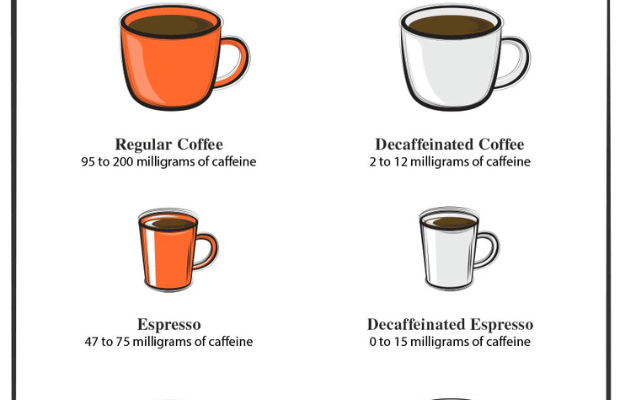
The caffeine content in coffee can vary significantly depending on several factors, including the type of coffee bean, brewing method, and serving size. Generally, a typical 8-ounce (240 ml) cup of coffee contains approximately 95 mg of caffeine. However, this can range from 70 to 140 mg per cup.
Factors Influencing Caffeine Content in Coffee
- Coffee Bean Type: Arabica beans contain less caffeine compared to Robusta beans.
- Brewing Method: Espresso has more caffeine per ounce compared to drip coffee but is served in smaller quantities.
- Serving Size: Larger servings naturally contain more caffeine.
- Roast Level: Lighter roasts have slightly more caffeine than darker roasts.
200 mg of Caffeine: Coffee Equivalent
To consume 200 mg of caffeine, you would need about two typical 8-ounce cups of coffee. The exact amount can vary slightly due to the aforementioned factors. For example, consuming approximately 2 to 3 espresso shots would also meet the 200 mg caffeine threshold.
Alternative Sources of Caffeine
If you’re looking for alternative sources of caffeine, consider tea, energy drinks, or caffeine tablets. Each source has different levels of caffeine, with some teas containing as little as 20 mg per cup, while energy drinks can contain upwards of 150 mg per serving.
| Source | Caffeine Content (mg per serving) |
|---|---|
| Drip Coffee (8 oz) | 95 |
| Espresso (1 oz) | 63 |
| Black Tea (8 oz) | 47 |
| Energy Drink (8 oz) | 80 |
| Caffeine Tablets | 100 |
Safe Caffeine Consumption
It is crucial to understand safe caffeine consumption limits. For most adults, up to 400 mg of caffeine per day is considered safe. However, individuals with health conditions or sensitivities should consult a healthcare provider to determine an appropriate amount.
Mistakes to Avoid with Caffeine Intake
- Avoid consuming caffeine close to bedtime as it can interfere with sleep.
- Do not rely heavily on caffeine as a substitute for adequate sleep or to manage stress.
- Watch for signs of caffeine dependency, such as headaches and irritability, when not consumed.
FAQs
Explore common questions about caffeine and coffee to better understand how to manage your intake.
- How much coffee is 200 mg of caffeine equivalent to? It is roughly equivalent to two 8-ounce cups of coffee.
- What is the safe amount of coffee consumption per day? Up to 400 mg, or about four 8-ounce cups of coffee, is considered safe for most adults.
- Can I have caffeine on an empty stomach? It is possible, but may lead to stomach upset for some individuals.
- Is caffeine addictive? Caffeine can be habit-forming, causing withdrawal symptoms in some cases.
- Which type of coffee has the most caffeine? Light roast coffee typically contains slightly more caffeine than darker roasts.