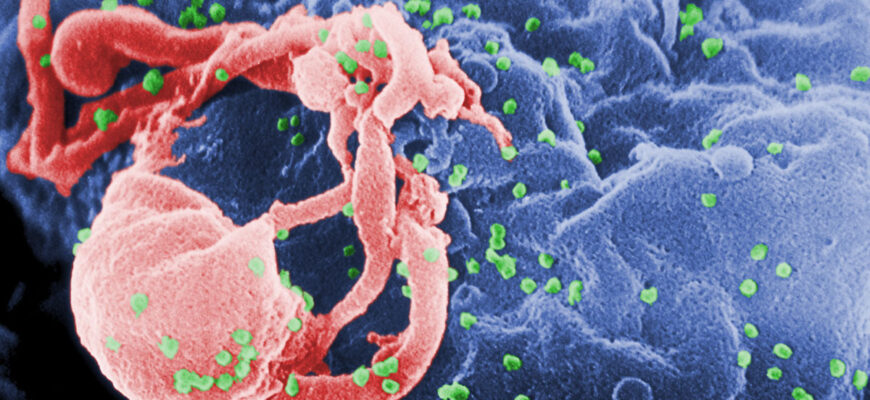
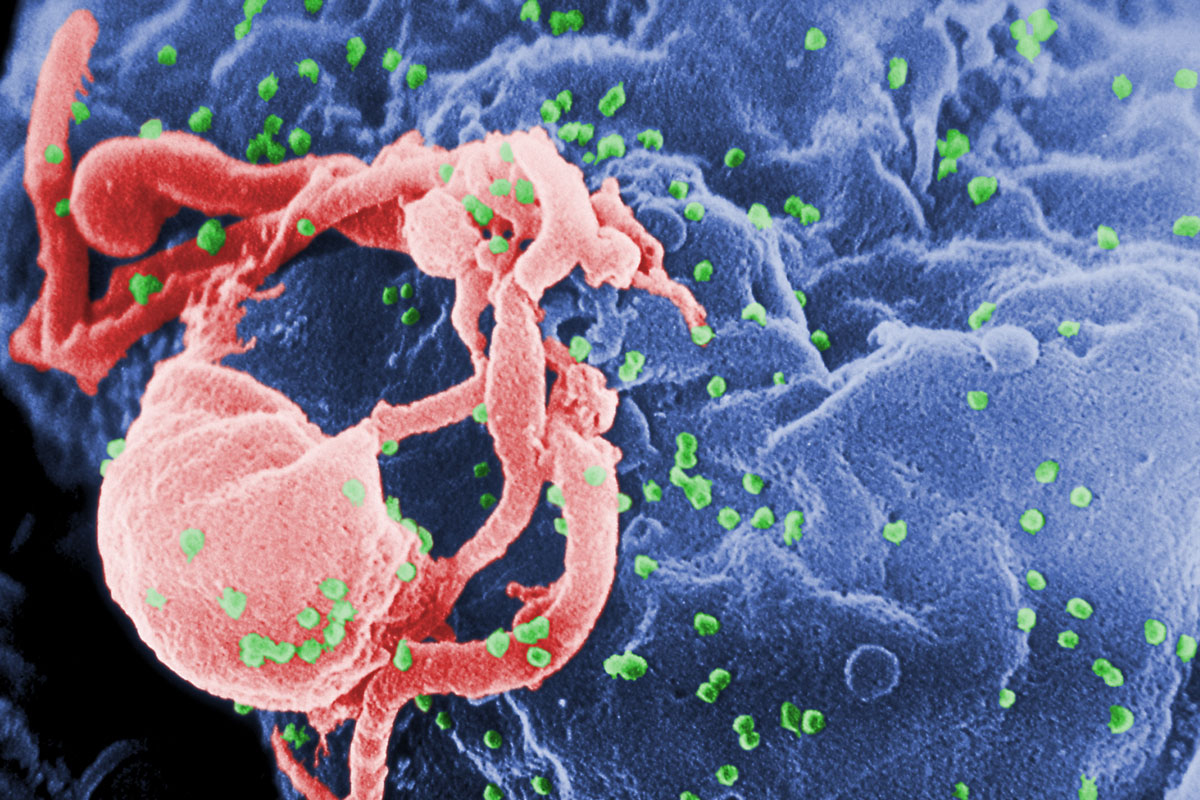
HIV is caused by the human immunodeficiency virus, and AIDS is its advanced stage if untreated. It spreads through blood, sexual contact, shared needles, and from mother to child.
HIV and AIDS
HIV (human immunodeficiency virus) attacks CD4 T cells of the immune system. AIDS (acquired immunodeficiency syndrome) is the late stage, when CD4 count falls below 200 or opportunistic infections occur.
How it spreads
- Unprotected sex.
- Sharing needles.
- Mother to child during pregnancy, birth or breastfeeding.
- Blood transfusions in rare cases.
It doesn’t spread through hugging, sharing dishes or mosquitoes.
Treatment
Antiretroviral therapy (ART) lets people live normal lives and suppresses virus to undetectable, which means no sexual transmission (U=U).
Prevention
Condoms, PrEP (a daily pill or injection) and testing.
Numbers
About 39 million people live with HIV worldwide (UNAIDS, 2022).
How HIV works in the body
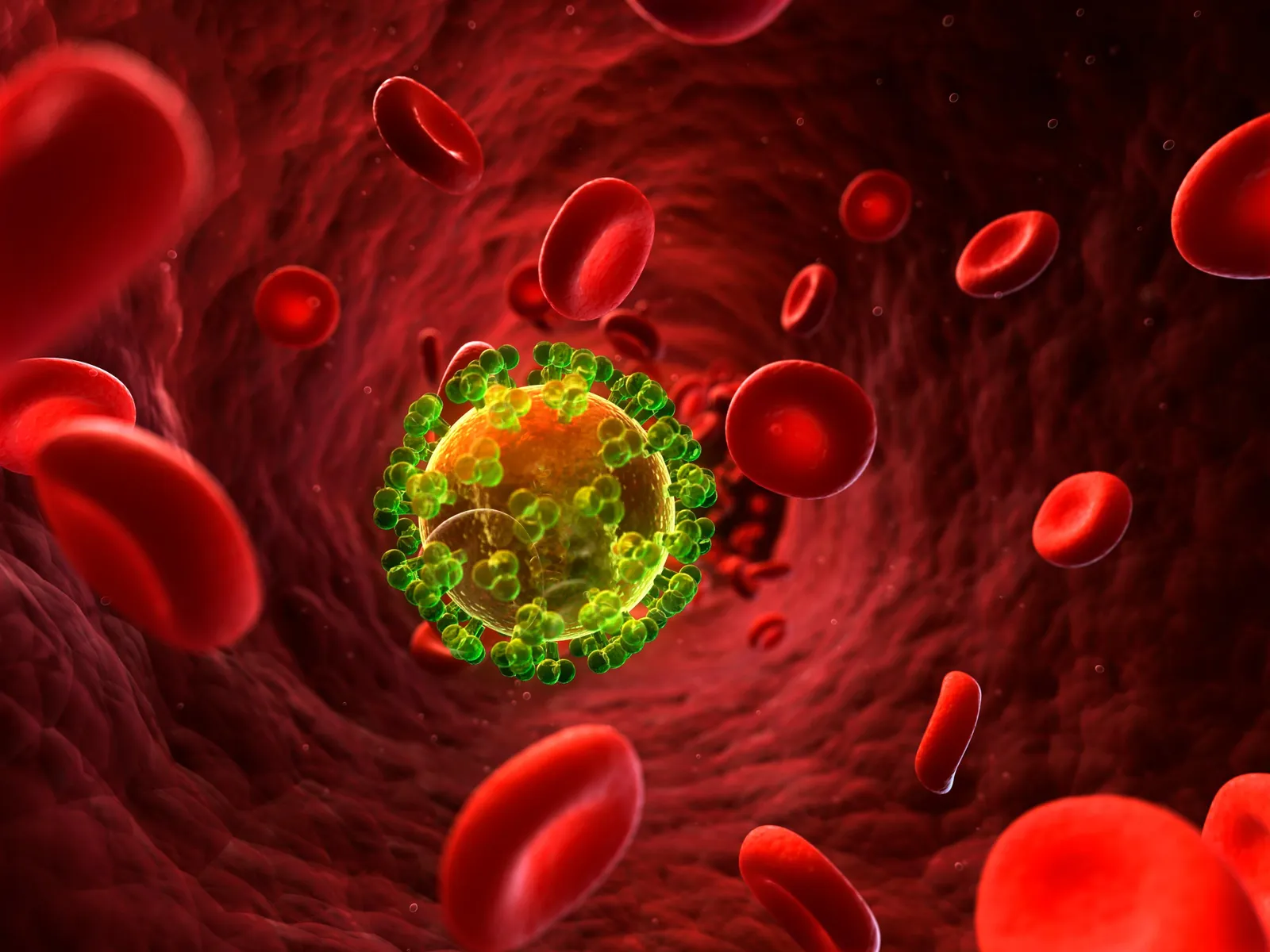
HIV, the human immunodeficiency virus, attacks CD4 T cells, which coordinate the immune response. Without treatment, the virus destroys these cells over years, leaving the body open to infections that a healthy immune system would control. A normal CD4 count is about 500 to 1,600 cells per cubic millimeter of blood. AIDS is diagnosed when the count drops below 200, or when certain infections or cancers appear.
Transmission routes in detail

HIV spreads through blood, semen, pre-seminal fluid, rectal fluids, vaginal fluids and breast milk. The main routes are condomless sex, sharing needles, and transmission from mother to child during pregnancy, birth or breastfeeding. It does not spread through hugging, shared dishes, toilets, mosquitoes, or casual contact. Risk per act varies, with receptive anal sex carrying the highest risk of sexual routes, at about 1.4% per act without protection, according to CDC estimates.
Symptoms and stages
- Acute infection, 2 to 4 weeks after exposure: fever, rash, sore throat, swollen glands, fatigue. Many people have no symptoms.
- Chronic stage: often no symptoms for years, but the virus keeps replicating.
- AIDS: weight loss, chronic diarrhea, night sweats, repeated infections, and cancers such as Kaposi sarcoma.
Testing
Antigen and antibody lab tests detect HIV 18 to 45 days after exposure, and nucleic acid tests can detect it in 10 to 33 days. Rapid antigen and antibody tests on blood from a finger stick take 18 to 90 days. Home self tests use oral fluid or blood and can detect HIV 3 months after exposure. The CDC recommends that everyone aged 13 to 64 get tested at least once.
Treatment
Antiretroviral therapy (ART) combines drugs that stop the virus from replicating. Most people take one pill a day, and long acting injections given every two months are now available. When the viral load becomes undetectable, the virus cannot be passed on to sexual partners, which is the basis of the “Undetectable equals Untransmittable” message supported by large studies. With early treatment, a person with HIV has a life expectancy close to that of the general population.
Prevention
- Condoms, used correctly each time, reduce the risk of sexual transmission by about 70% to 80% in real world use.
- PrEP, a daily pill or injection for people at risk, reduces sexual transmission risk by about 99% when taken as prescribed.
- PEP, post-exposure prophylaxis, must be started within 72 hours of exposure.
- Never share needles, and use syringe services programs.
- Pregnant women with HIV who take ART reduce the chance of passing HIV to the baby to under 1%.
Global numbers
UNAIDS estimates about 39 million people were living with HIV in 2022, with about 1.3 million new infections and 630,000 AIDS related deaths. About 29 million people were on treatment. In the US, around 1.2 million people live with HIV, and about 13% do not know it.
Based on data from the CDC, UNAIDS and the World Health Organization.