
Brain damage can begin after about 4 to 6 minutes without oxygen, and most people can hold their breath only 1 to 2 minutes.
Timeline
Brain cells start to die after about 4 to 6 minutes without oxygen. Permanent damage is likely after 10 minutes. Most untrained people can hold their breath for only 30 seconds to 2 minutes.
Record
The Guinness record for breath-holding is 24 minutes 37 seconds, set in 2021 by Budimir Sobat, after breathing pure oxygen.
Cold water
Cold water can extend survival, because it slows metabolism. Cases of children surviving over 30 minutes under ice are documented.
What happens
Hypoxia leads to confusion, fainting, brain damage and death.
First aid
Start CPR and call 911.

Safety
Do not hyperventilate before holding your breath, since it can cause blackout.
What happens without oxygen
The brain uses about 20% of the body’s oxygen and has almost no reserve. After the last breath, blood oxygen falls within a minute. Loss of consciousness usually follows in about 1 to 2 minutes. Brain cells begin to die after about 4 to 6 minutes of no blood flow, and damage grows quickly after that. Survival with intact function becomes much less likely after 10 minutes.
Timeline in detail
- Under 1 minute: oxygen levels fall, heart rate rises and the urge to breathe increases because of rising carbon dioxide.
- 1 to 2 minutes: confusion, tingling, blue lips and loss of consciousness.
- 4 to 6 minutes: brain injury begins.
- 10 minutes: severe brain damage is likely and survival without injury is rare.
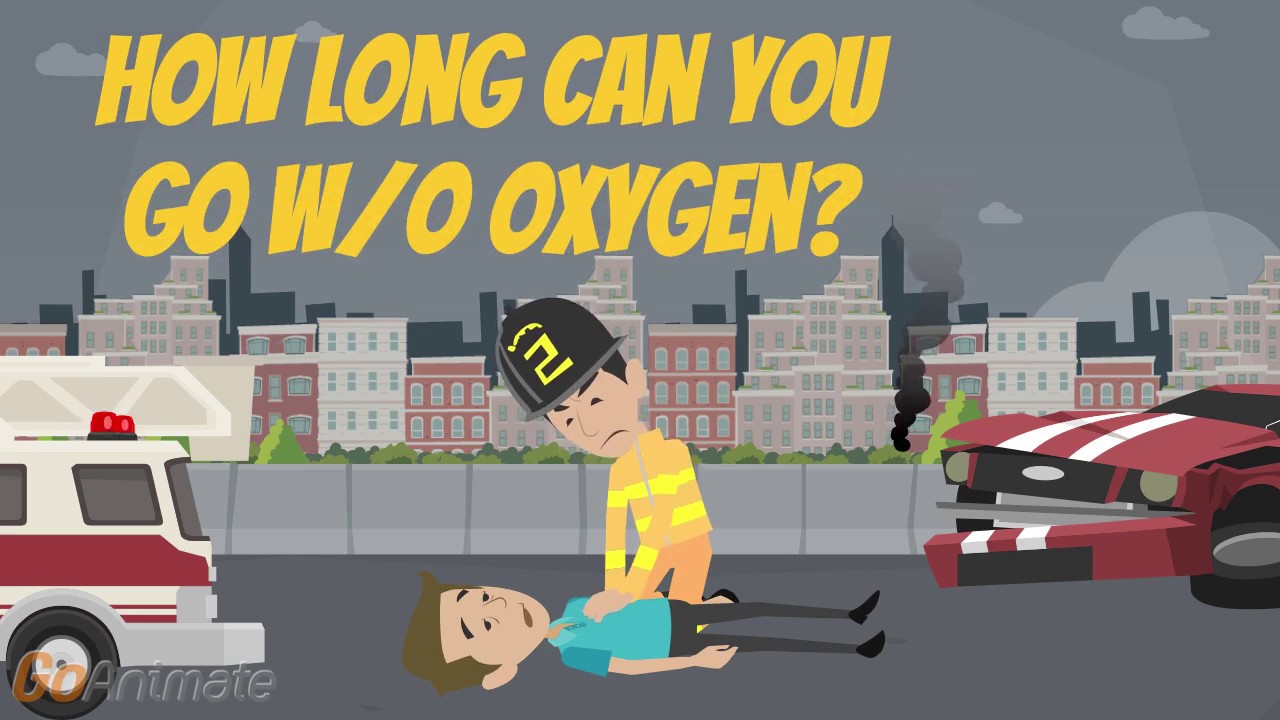
Children, people with cold body temperature and some drowning victims can survive longer, because cold slows the brain’s demand for oxygen.
Breath holding
Most untrained people can hold their breath for 30 to 90 seconds. Trained freedivers reach several minutes. The Guinness record for static apnea after breathing pure oxygen is over 24 minutes (Budimir Šobat, 2021). Without pure oxygen, records are around 11 minutes. Training uses carbon dioxide tolerance, not extra oxygen storage, and should only be done in a safe setting with a partner.
The cold water effect
The mammalian dive reflex slows the heart, constricts blood vessels in the limbs and shifts blood to the brain and heart in cold water. There are documented survivals after more than 30 minutes under ice with good outcomes. Cold water does not guarantee survival. Anyone pulled from cold water without a pulse should receive CPR and be taken to hospital, because rewarming may restore function.
Altitude
At high altitude the air holds less oxygen per breath. Above 8,000 meters, the so-called death zone, climbers cannot absorb enough oxygen and most use supplemental oxygen. A few climbers have reached the summit of Mount Everest at 8,849 meters without it, but the risk of brain swelling and fluid in the lungs is high.
Dangers of hyperventilating before a breath hold
Taking many fast deep breaths before swimming underwater lowers carbon dioxide, which delays the urge to breathe. This can lead to shallow water blackout, where the swimmer faints with no warning. It is a leading cause of drowning among experienced swimmers. Never hyperventilate before holding your breath in water, and never swim alone.
What to do in an emergency
Call emergency services. If the person is not breathing, start CPR with chest compressions at 100 to 120 per minute, about 5 to 6 centimeters deep for adults. Use an AED as soon as it arrives. Quick action in the first minutes matters more than anything else.

Survival without breathing in different settings
Brain cells begin to die within about 4 to 6 minutes without oxygen, and permanent damage becomes likely after 10 minutes at normal body temperature. CPR keeps some blood flow going and can extend the window, which is why bystander CPR doubles or triples survival from cardiac arrest, according to the American Heart Association. Cold water and children’s diving reflex can lengthen survival after drowning, with documented recoveries after more than 30 minutes under ice in rare cases. Free divers train to hold their breath for 5 to 11 minutes, and the record for static apnea after breathing pure oxygen is over 24 minutes, set by Aleix Segura in 2016.
Based on data from the American Heart Association and Guinness World Records







