Iron supplements may help you feel better in 1 to 2 weeks, but it takes about 4 to 8 weeks or more to restore iron levels.
Timeline
Iron supplements may improve energy in 1 to 2 weeks. Hemoglobin usually rises in 2 to 4 weeks, and it takes 3 to 6 months to restore iron stores (ferritin).
Usual dose
Doctors often prescribe 65 mg of elemental iron once a day or every other day (alternate-day dosing improves absorption).
Tips
- Take with vitamin C or orange juice.
- Avoid taking with coffee, tea, dairy and calcium.
- Take on an empty stomach if tolerated.
Side effects
Constipation, nausea, dark stool.
Warning
Iron overdose is dangerous for children. Keep out of reach.
Test

Your doctor will recheck blood levels after 4 to 8 weeks.
If it doesn’t work
Ask about IV iron.
Timeline in detail
Iron supplements begin to raise hemoglobin after about 2 weeks, and most people see a rise of about 1 gram per deciliter in 3 to 4 weeks. Energy levels and symptoms such as fatigue often improve within 1 to 2 weeks, but it can take 4 to 8 weeks to correct anemia. Body iron stores (ferritin) take 3 to 6 months of treatment to rebuild. Doctors usually recheck blood counts after about 4 weeks.
Usual dose
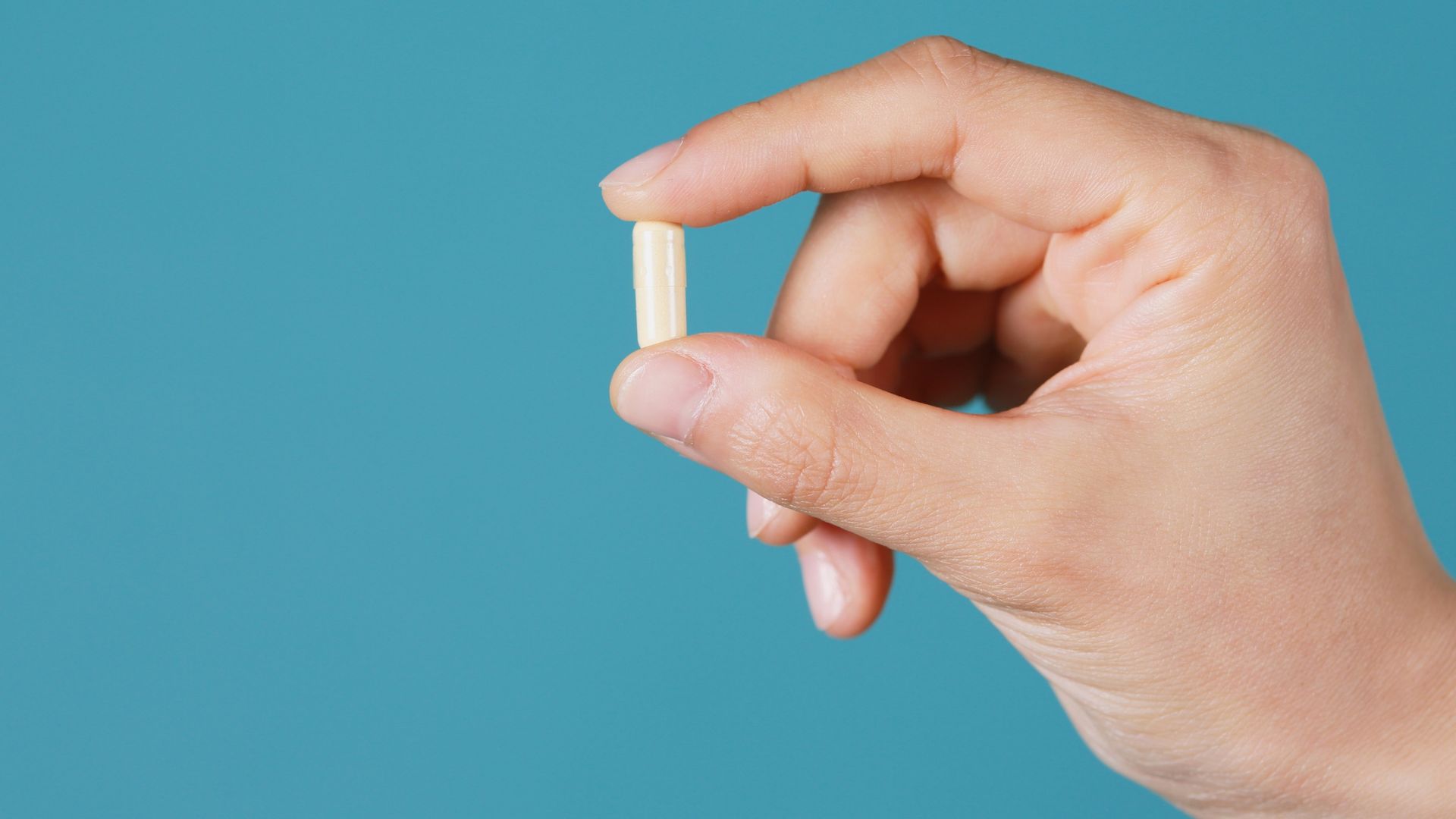
Doctors often prescribe 65 milligrams of elemental iron once a day or every other day, which is about 325 milligrams of ferrous sulfate. Studies show that every other day dosing improves absorption, because hepcidin, the hormone that blocks iron absorption, stays high for 24 hours after a dose. Higher doses do not work faster and cause more side effects.
Tips for better absorption
- Take on an empty stomach if tolerated, or with a small amount of food if it upsets the stomach.
- Take with vitamin C (a glass of orange juice or 250 milligrams of vitamin C) to improve absorption.
- Avoid coffee, tea, milk, calcium supplements and antacids within 2 hours, since they block absorption.
- Eat iron-rich foods: red meat, poultry, fish, beans and fortified cereals.
- Do not take with thyroid medicine; separate by 4 hours.
Side effects
- Constipation, the most common one, or diarrhea.
- Nausea and stomach pain.
- Dark or black stools, which are harmless, but call the doctor if stools are tarry with abdominal pain, which could mean bleeding.
- Metal taste.
Gentler forms include ferrous gluconate, iron bisglycinate and slow-release forms.
Warning
Iron overdose is a leading cause of fatal poisoning in children under 6. Keep supplements out of reach and call Poison Control (1-800-222-1222) if a child swallows them. Adults should take iron only if a blood test shows deficiency, because excess iron can damage the liver and heart, especially in people with hemochromatosis.
Test
Ferritin, hemoglobin and transferrin saturation tests show response. Continue treatment for 3 months after hemoglobin normalizes, as your doctor advises.
If it does not work
Poor response may result from ongoing blood loss, celiac disease, H. pylori infection, not taking the pills correctly, or anemia from other causes. Intravenous iron is an option when oral iron fails or is not tolerated.

Types of iron and lab values
Oral iron supplements include ferrous sulfate (65 mg elemental iron per 325 mg tablet), ferrous gluconate and ferrous fumarate. The recommended daily allowance for iron is 8 mg for adult men and 18 mg for women aged 19 to 50, rising to 27 mg in pregnancy. For iron deficiency anemia, doctors usually prescribe about 65 to 200 mg of elemental iron daily, and many studies suggest alternate day dosing improves absorption and reduces stomach upset. Many people feel more energetic in 1 to 2 weeks, and hemoglobin typically rises about 1 g/dL every 2 to 3 weeks, so normal levels may take 2 months. Stores in ferritin need 3 to 6 months to rebuild. Take with vitamin C and apart from coffee, tea, calcium and antacids, which reduce absorption. Constipation, dark stools and nausea are common effects. Keep iron away from children, because overdose is dangerous.
Based on data from the NIH Office of Dietary Supplements and the American Society of Hematology