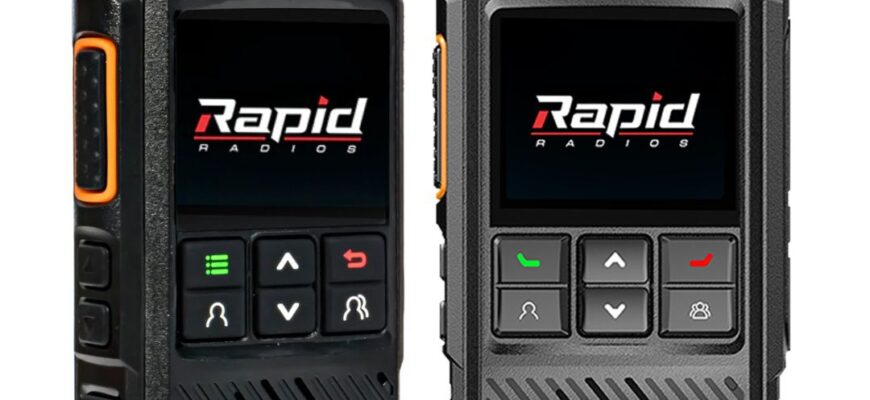
Radios work by converting sound into radio waves that are sent through the air and picked up by a receiver. Rapid radios are the same, using push-to-talk handsets.
Steps
- A microphone turns sound into an electrical signal.
- A transmitter modulates a carrier wave (AM changes amplitude, FM changes frequency).
- An antenna sends radio waves at the speed of light.
- A receiver tunes the frequency and amplifies it.
- A speaker turns it back to sound.
Bands
AM: 530 to 1700 kHz. FM: 88 to 108 MHz.
Fact
Radio waves are electromagnetic radiation.
Radio waves
Radio waves are electromagnetic waves that travel at the speed of light, about 300,000 kilometers per second. They carry information through changes in their amplitude, frequency or phase.
Walkie-talkie style radios
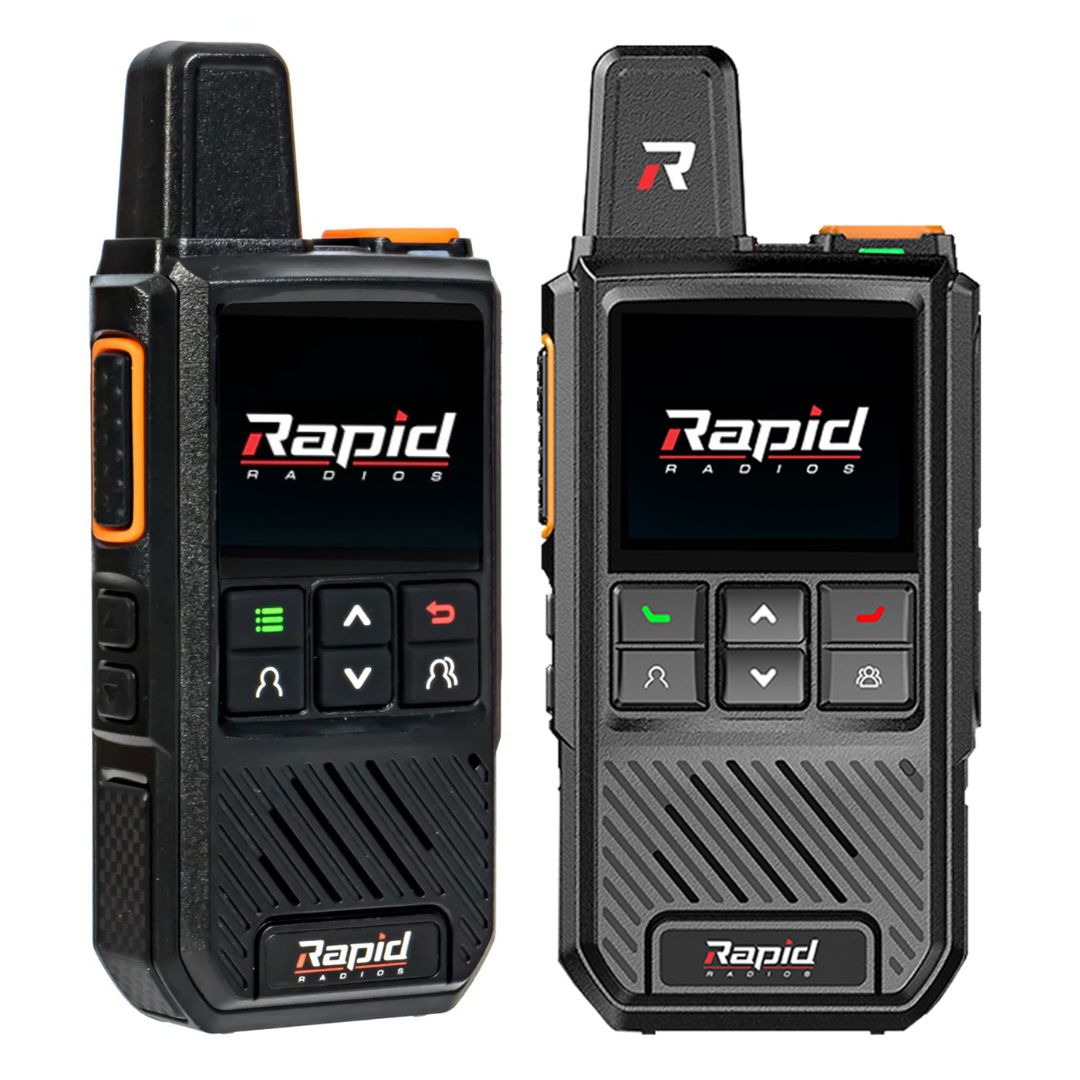
Two way radios, also called handheld or push-to-talk radios, are half duplex: only one person can talk at a time. Pressing the push-to-talk (PTT) button turns on the transmitter. Releasing it switches to receive mode.
Common bands in the US
- Family Radio Service (FRS): 462 and 467 MHz channels, license free, low power up to 2 watts.
- General Mobile Radio Service (GMRS): similar frequencies but higher power up to 50 watts and needs an FCC license (about 35 dollars for 10 years, covering the whole family).
- Citizens Band (CB): 27 MHz, license free.
- Amateur (ham) radio: requires an FCC license.
- Business radios: use VHF and UHF channels.
Range
Realistic range for handheld FRS radios is 0.5 to 2 miles in cities and up to 5 miles in open terrain, even when packaging says 20 or 30 miles. Buildings, hills and trees block signals.
Digital radios
Digital two way radio, such as DMR, offers clearer audio, more users per channel and features like text messaging and GPS.
Radio over cellular
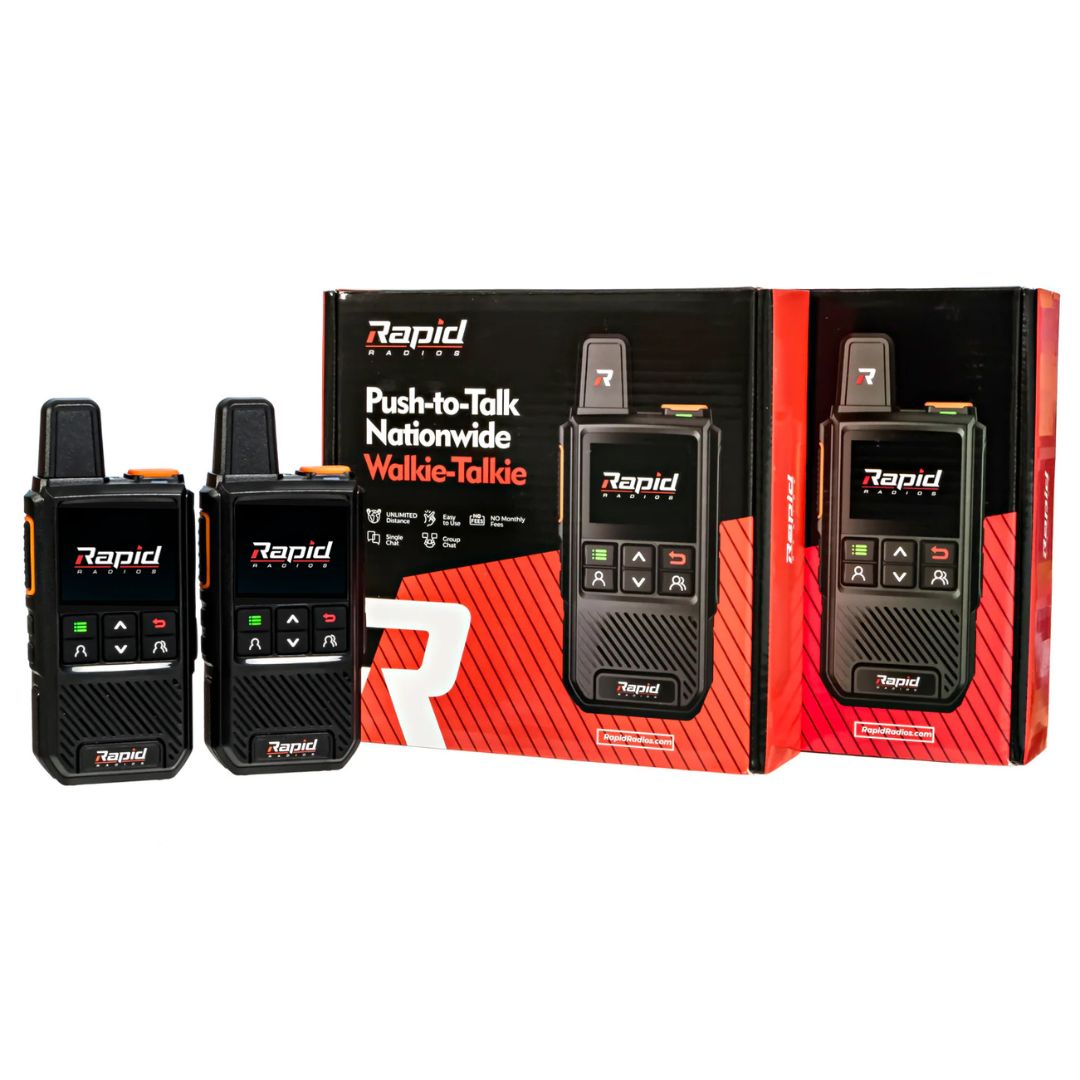
Some “rapid” push-to-talk systems use mobile networks (PoC, push to talk over cellular) and work over any distance with coverage.
Squelch and codes
Privacy codes reduce interference from other users but do not make the channel private.
Battery
Rechargeable lithium ion or NiMH batteries last 8 to 12 hours depending on use.
Legal
Using radios on frequencies you are not licensed for is prohibited by the FCC.
Radio services and range
Two way radios allow instant voice contact over short distances. In the US, Family Radio Service (FRS) handhelds are license free and share 22 channels, and General Mobile Radio Service (GMRS) radios use higher power but need an FCC license, which cost 35 USD for 10 years after a 2022 change and covers a whole family. Citizens Band (CB) radio has 40 channels, and MURS is another license free service. Typical range for FRS radios is about 0.5 to 2 miles in open terrain, much less in cities and forests, regardless of claims of 30 miles on packaging.
Digital and cellular options
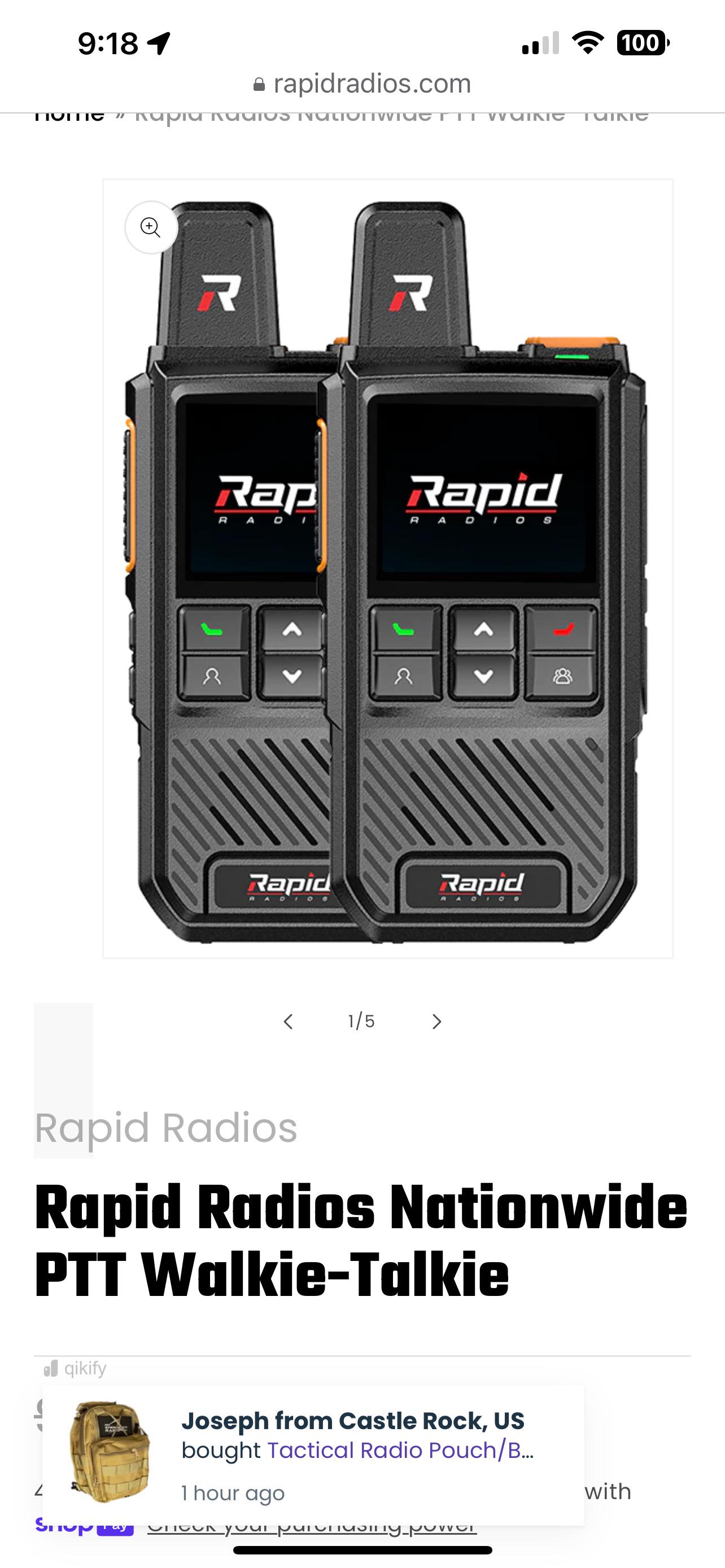
Digital radios offer clearer audio and encryption, and some use repeaters to extend range. Push to talk over cellular radios work anywhere with mobile coverage. Features include channel and privacy codes (CTCSS), which filter out other users but do not make the call private, a squelch setting to quiet static, and weather alert channels. Rechargeable lithium batteries last a full day of normal use. Amateur radio requires a license exam and allows far greater power and range. Do not use radios for illegal purposes or to interfere with emergency channels.
Based on data from the FCC