
Cinco de Mayo commemorates the Mexican army’s 1862 victory over French forces at the Battle of Puebla.
What it is
Cinco de Mayo (May 5) commemorates the Mexican army’s victory over French forces at the Battle of Puebla in 1862, led by General Ignacio Zaragoza. The French army was far larger and better equipped.
Not Independence Day
Mexican Independence Day is September 16.
Aftermath
France eventually captured Mexico City in 1863 and installed Maximilian I, but was forced out by 1867.
In Mexico
Celebrated mainly in the state of Puebla with parades and reenactments. It’s not a federal holiday.
In the US
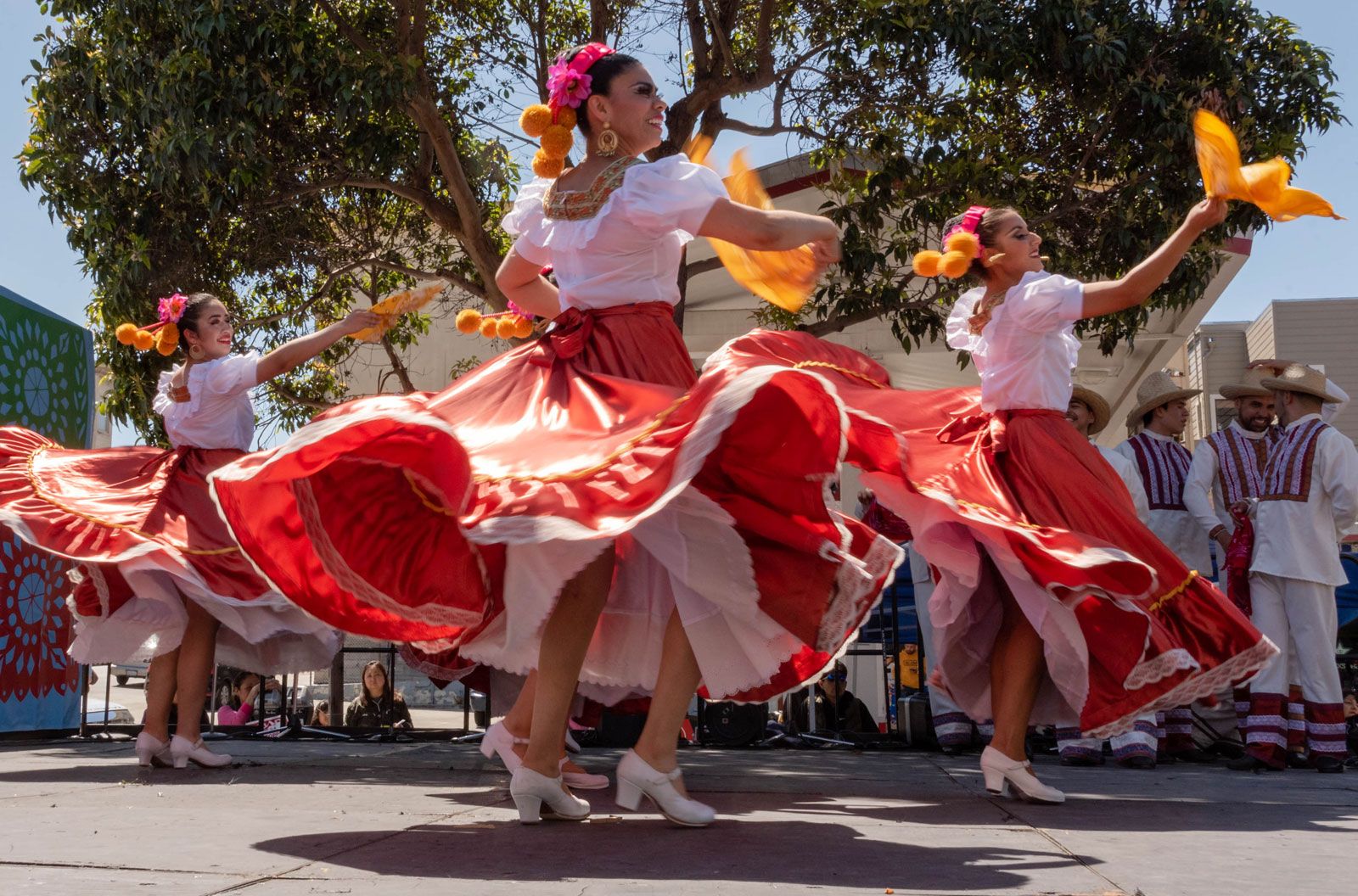
It became popular in the 1960s through Chicano movement and in the 1980s through beer and food marketing. Celebrations feature food, music and dancing.

Importance
Symbol of resistance.
What it is
Cinco de Mayo (“fifth of May”) commemorates the Mexican army’s victory over French forces at the Battle of Puebla on May 5, 1862. A force of about 4,500 poorly equipped Mexican soldiers under General Ignacio Zaragoza defeated roughly 6,000 well-equipped French troops, who were considered among the best in the world. The battle was fought at the city of Puebla de los Angeles, east of Mexico City.
Not Independence Day
Many people think it marks Mexican independence, but Mexico declared independence from Spain on September 16, 1810, which is celebrated as Independence Day.
Background
Mexico owed debts to France, Britain and Spain. France under Napoleon III used this to invade Mexico and set up a French-friendly government. The Battle of Puebla was a symbolic victory, but France later took Mexico City and installed Maximilian I as emperor in 1864. Mexico’s forces, led by Benito Juarez, regained control in 1867, and Maximilian was executed.
Aftermath
Historians note that the Puebla victory boosted morale and may have delayed the French advance. It also kept France from supporting the Confederacy in the US Civil War, at least in the short term, although this is debated.
In Mexico
The day is a regional holiday in Puebla state, with parades, reenactments and a military ceremony, and is not a federal holiday. Schools and businesses operate normally in most of the country.
In the US
Cinco de Mayo is much bigger in the US than in Mexico. Celebrations started in California in 1862 among Mexican Americans who supported the Union. It became popular in the 1980s through beer and food marketing. Today, it is marked with festivals, parades, music, dancing and Mexican food. Americans spend over $3 billion on beer and large amounts on avocados, with avocado sales spiking before the day.
Importance
Many Mexican Americans see the day as a celebration of heritage and resistance to foreign rule. Some critics say the commercial celebration reduces Mexican culture to stereotypes. Cities such as Los Angeles, Chicago and Denver hold large festivals.

History of the Battle of Puebla
On May 5, 1862, a Mexican army of about 4,500 to 6,000 soldiers under General Ignacio Zaragoza defeated a French force of about 6,000 to 8,000 near Puebla, one of the strongest armies in the world at that time. Mexico had suspended foreign debt payments, and France, under Napoleon III, invaded and tried to install Maximilian of Habsburg as emperor. The French lost about 500 men while Mexico lost fewer than 100. The victory was short lived, as the French captured Mexico City in 1863. The French were finally expelled by 1867 after American support following the US Civil War. Cinco de Mayo is a minor holiday nationwide in Mexico, mainly celebrated in the state of Puebla. In the US, it grew as a celebration of Mexican American culture, with festivals large in Los Angeles, Chicago and Denver. Mexican Independence Day is September 16.
Based on data from the Library of Congress and the Smithsonian







