Many Muslim women wear the hijab as an expression of faith, modesty, and identity, based on interpretations of the Quran. Practice and choice vary widely.
Reasons
Many Muslim women wear hijab as an expression of faith, modesty, obedience to God and identity. They base it on interpretations of the Quran (24:31 and 33:59) and hadith.
Variation
Practices differ. Some women wear a headscarf, some a niqab or burqa, and many don’t cover. Opinions among scholars differ about whether it’s required.
Choice
Some choose to wear it. In some countries (Iran, Afghanistan) laws require it. In others (France, parts of Europe) there are bans on certain coverings. These laws are debated as matters of rights.
Meaning
The word hijab means “cover” or “barrier” in Arabic.

Numbers
About 1.9 billion Muslims worldwide (Pew, 2020).
Reasons
The hijab is a head covering worn by many Muslim women. Reasons women give for wearing it include:
- Religious devotion: many believe it is an act of obedience to God, based on verses in the Quran, including 24:31 and 33:59, which advise women to cover their bodies and draw their veils over their chests. Interpretations differ on whether these verses require covering the hair.
- Modesty: it is seen as a way to express modest behavior and dress, which applies to men as well.
- Identity: it signals Muslim identity and connection to community.
- Cultural and family tradition.
- Personal choice, including as a feminist statement or a way to be judged by character, not appearance.
- Political expression or resistance in some contexts.
Variation
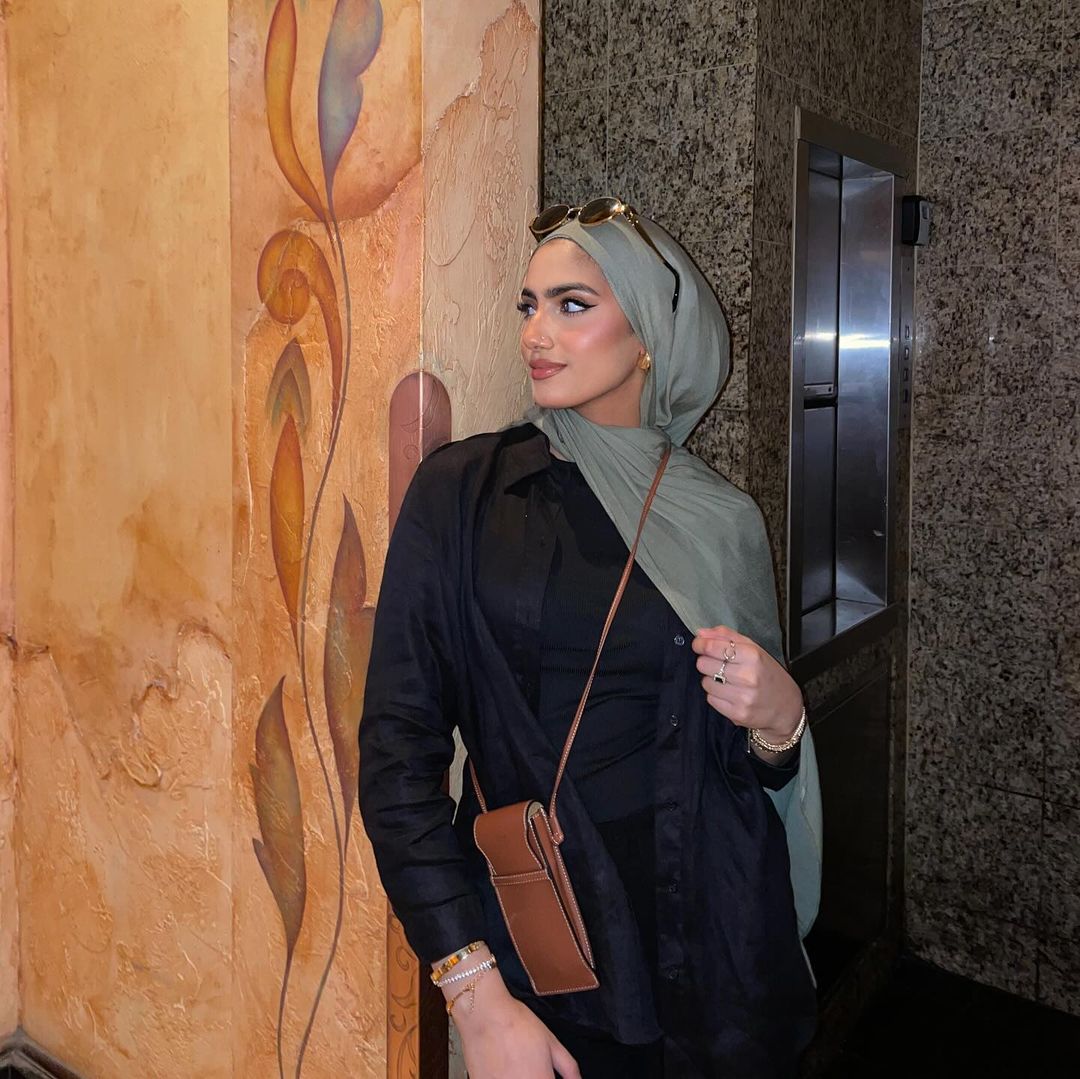
Practices vary. Types include the hijab (headscarf), niqab (face veil with an eye opening), burqa (full-body covering with a mesh over the eyes), chador (a full-length cloak in Iran), and al-amira and shayla styles. Many Muslim women do not cover, and scholars disagree about requirements. Muslim-majority countries range from those requiring it (Iran and Afghanistan) to those with no rules, or restrictions (Tunisia and Turkey historically, though Turkey lifted most limits).
Choice
In some places it is mandated by law, and in Iran, enforcement has led to protests after the death of Mahsa Amini in custody in 2022. In other places, such as France (public schools and face coverings) and parts of Europe, there are bans or restrictions on religious symbols or full-face veils. Many women in the West choose to wear the hijab voluntarily. Freedom to choose, to wear or not wear, is the central issue in debates.
Meaning
The Arabic word hijab means “cover” or “partition.” In the Quran, it refers to a curtain or barrier, and the modern meaning of a headscarf developed over time.
Numbers
Pew Research Center surveys found that in most Muslim-majority countries with surveys, a majority of women said they cover their hair in public, from about 50% in some countries to over 90% in others like Afghanistan and Iraq (when asked about the form of covering), while in Turkey and Lebanon the share was smaller. About 1.9 billion Muslims live worldwide. In the US, about 40% of Muslim women say they wear a hijab all or most of the time.
This is a topic of religious interpretation and personal conviction.
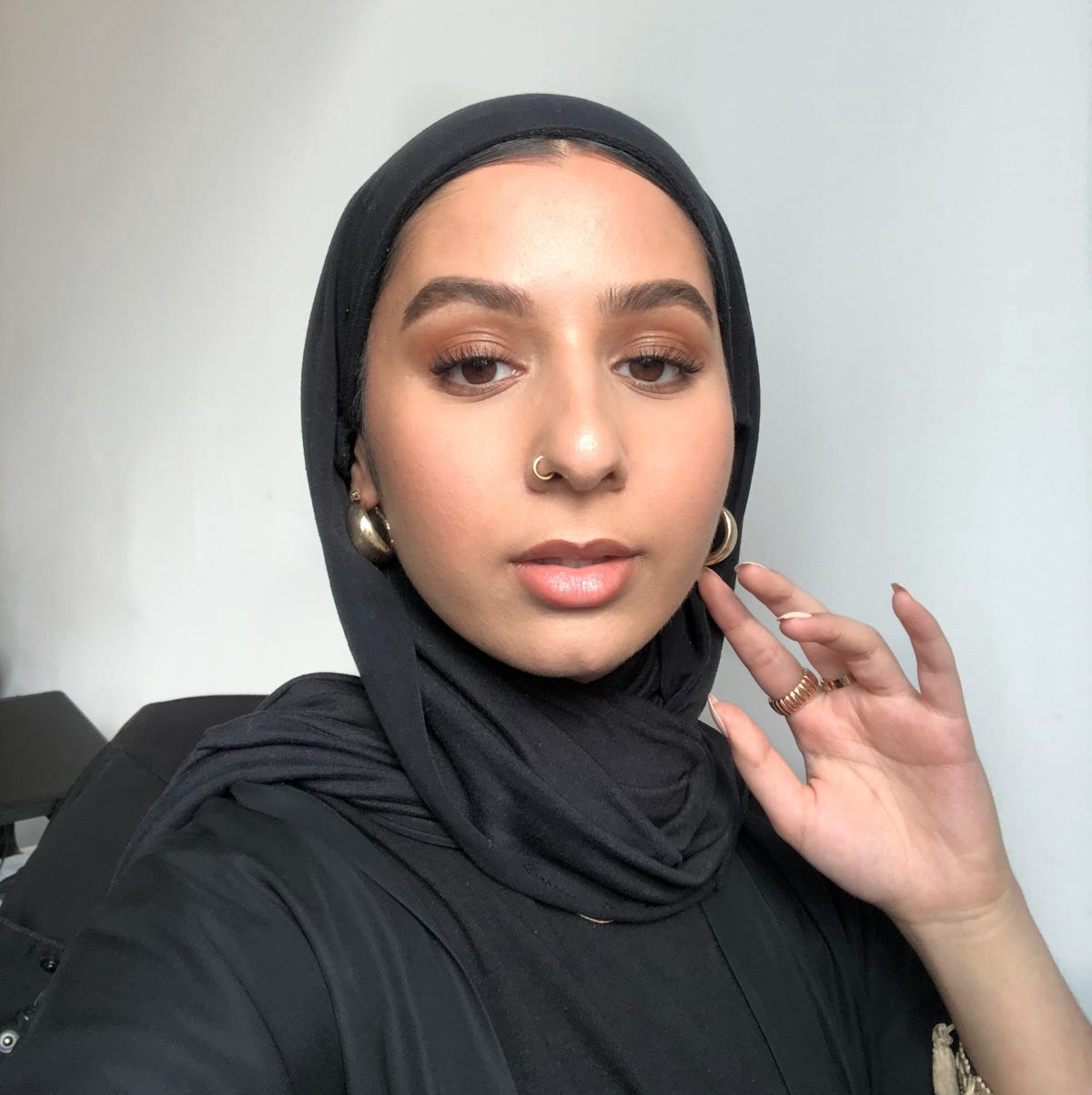
Religious sources and global numbers
The hijab refers to a head covering, and the practice is rooted in Quranic verses such as Surah An-Nur 24:31 and Surah Al-Ahzab 33:59, which instruct modesty. Muslim scholars differ on whether covering the hair is required, and interpretations vary by region and school of thought. About 1.9 billion Muslims live worldwide, with about half female. A Pew Research survey of Muslim countries found wide differences in preferred dress: in Saudi Arabia and Afghanistan most women favor full face covering, while in Lebanon and Turkey many prefer no head covering. In Iran, hijab is legally required, and in some other countries it is banned in certain places, such as in French public schools. Many women say they wear it as an expression of faith, identity and modesty, while others say they were pressured to wear or not to wear it. The decision is personal for many.
Based on data from Pew Research Center and the Encyclopaedia Britannica