
If you are audited without receipts, the IRS may disallow the deductions. You can try to reconstruct records with bank statements and other proof, and consider consulting a tax professional.
What happens
The IRS may disallow deductions you can’t support, then add tax, interest and possibly a 20% accuracy penalty.
What you can do
- Rebuild records from bank and card statements, invoices and emails.
- Get duplicates from vendors.
- Written statements and calendars can help.
- Cohan rule: courts may allow reasonable estimates in some cases.
Record keeping
Keep tax records for at least 3 years, 7 in some cases.
Help
Consider a CPA or enrolled agent.
Burden of proof
In an IRS audit, you must be able to substantiate deductions and credits with records. Without receipts, the IRS may disallow deductions, which increases your taxable income. You may owe additional tax, plus interest and penalties, often a 20% accuracy-related penalty on the underpayment.

Alternative records
- Bank and credit card statements showing the payment.
- Canceled checks.
- Invoices, contracts, emails or order confirmations.
- Calendar entries, mileage logs and appointment books.
- Third party statements or affidavits from vendors.
- Form 1099s, W-2s and other tax statements.
Reconstructing expenses
Under the Cohan rule, courts have sometimes allowed reasonable estimates of expenses when taxpayers show that they incurred expenses but lack exact records. This does not apply to travel, gifts and some other categories, which have strict substantiation rules under Section 274(d).
Statute of limitations
The IRS generally has 3 years from the filing date to audit a return. This extends to 6 years if you omit more than 25% of your gross income, and has no limit for fraud.
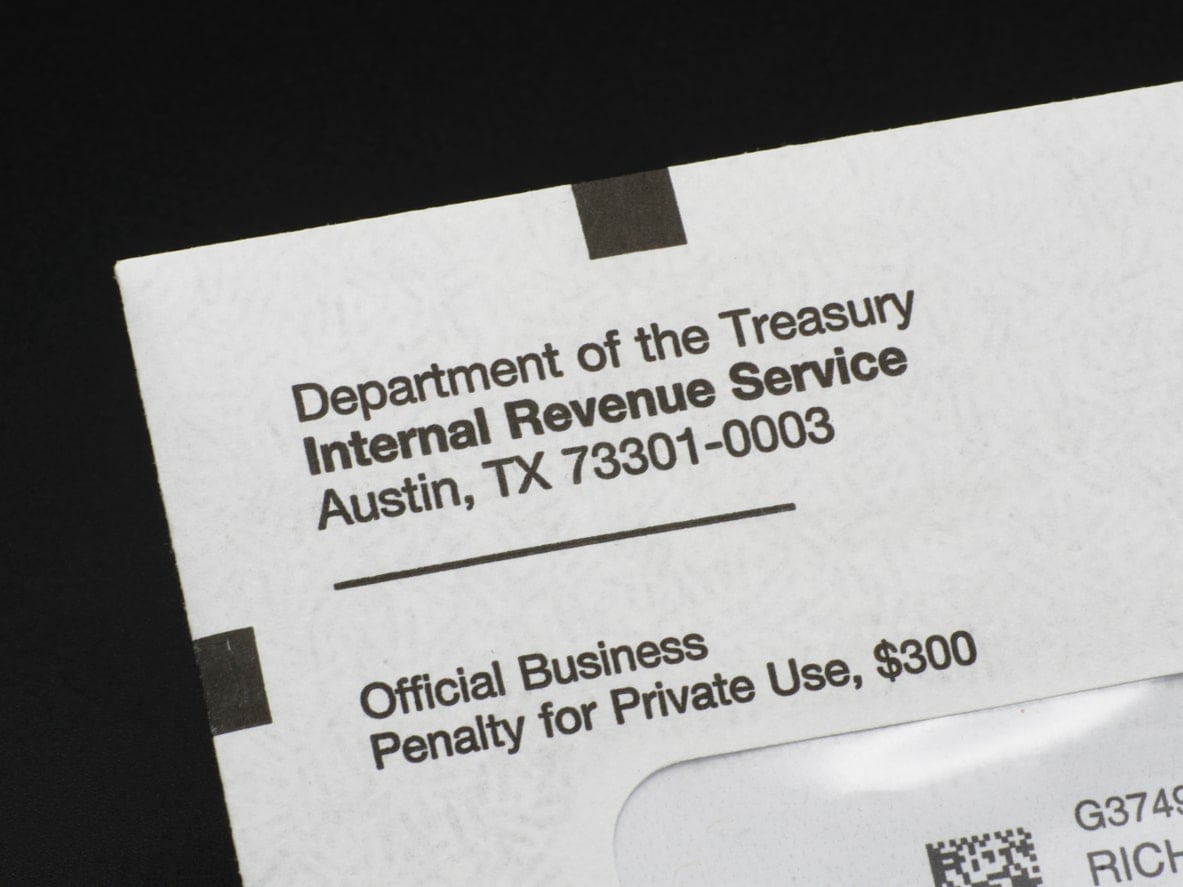
Audit rates
In recent years, the IRS audited about 0.4% of individual returns. Rates are higher for very high earners and those claiming certain credits such as the Earned Income Tax Credit.
Rights
Taxpayers have the right to representation by a CPA, enrolled agent or attorney, to appeal and to request an extension to gather documents.
Record keeping
Keep records for at least 3 years (7 years for losses on worthless securities). Use apps or scans to store receipts digitally, which the IRS accepts.
Help
The Taxpayer Advocate Service and Low Income Taxpayer Clinics offer free help. Consult a tax professional.
Proving deductions without receipts
The IRS generally requires taxpayers to keep records that support income and deductions, but receipts are not the only proof. Bank and credit card statements, canceled checks, invoices, calendars, mileage logs, emails and statements from third parties can substantiate expenses. Under the Cohan rule, from a 1930 court case, a court may allow a reasonable estimate for some expenses when you can prove they occurred. However, Section 274(d) requires strict substantiation for travel, gifts, meals and vehicle expenses, so estimates may not be accepted for those.

Audit facts and rights
Fewer than 1 percent of individual returns are audited in a typical year. The IRS usually has 3 years from the filing date to audit, which extends to 6 years if you omit more than 25 percent of gross income. If you lack records, reconstruct them as accurately as possible, request duplicate statements from banks and vendors, and consider hiring a CPA, enrolled agent or tax attorney. The Taxpayer Bill of Rights gives you rights to professional representation, to challenge the IRS position and to appeal. Low income taxpayers can seek help from Low Income Taxpayer Clinics and the Taxpayer Advocate Service.
Based on data from the IRS and the National Taxpayer Advocate







