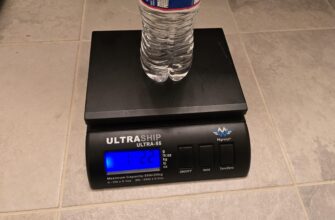
- Understanding the Weight of Water: How Much Does 24 oz of Water Weigh?
- Introduction to Water Weight
- Volume to Weight Conversion: How It Works
- Applications of Water Weight in Daily Life
- The Science Behind Water Measurements
- Comparing Different Systems of Measurement
- The Role of Temperature in Water Weight
- Common Mistakes in Water Measurement
- The Importance of Accurate Measurements
- FAQs on Water Weight
- What is the weight of 24 oz of water in pounds?
- How does temperature affect the weight of water?
- Can I measure water weight with a kitchen scale?
- Why is fluid ounce different from an ounce in weight?
- Is there a difference in water weight between imperial and metric systems?
Understanding the Weight of Water: How Much Does 24 oz of Water Weigh?
Whether you’re a culinary enthusiast, a fitness aficionado, or simply curious, understanding the weight of water can be essential. You might ask, “How much does 24 oz of water weigh?” The straightforward answer is that the weight is approximately 1.5 pounds or 0.68 kilograms. In this comprehensive guide, we will delve deeper into the topic, providing insights on measurement comparisons, practical uses, and common misunderstandings.
Introduction to Water Weight
Water is a standard unit of measure used in countless applications, from cooking to scientific research. It is often measured in fluid ounces (oz), especially in the United States, where the imperial system is prevalent. Understanding how much a specific volume of water weighs is crucial for various applications, such as dietary tracking, recipe calibration, and scientific experimentation.
Volume to Weight Conversion: How It Works
The direct conversion for water from ounces to pounds is quite straightforward. One fluid ounce of water weighs approximately 1.043 ounces. Therefore, to find out how much 24 fluid ounces weighs, you simply multiply 24 by 1.043, equaling around 25.032 ounces. When converted into pounds, this gives you approximately 1.564 pounds.
Applications of Water Weight in Daily Life
Understanding water weight is not just academic; it has practical uses:
- Cooking and Baking: Many recipes require precise water measurements for consistency.
- Fitness and Health Monitoring: Staying hydrated is key to health, and knowing the weight of water consumed can help track daily intake.
- Scientific Experiments: Accurate water weight measurements are essential in laboratory settings for experimental consistency.
The Science Behind Water Measurements
Water, at standard temperature and pressure (STP), has a density of about 1 gram per cubic centimeter. This consistency is why it’s often used as a base unit in science. However, temperature can affect water density slightly, which might be critical in precision-based applications.
Comparing Different Systems of Measurement
| Measurement System | Volume in Different Units | Weight in Pounds | Weight in Kilograms |
|---|---|---|---|
| Imperial | 24 oz | 1.564 lbs | 0.709 kg |
| Metric | 709 ml | 1.564 lbs | 0.709 kg |
The Role of Temperature in Water Weight
The temperature of water can slightly alter its weight due to changes in density. For most everyday purposes, this difference is negligible; however, in scientific calibrations requiring high precision, temperature control is crucial.
Common Mistakes in Water Measurement
Many people confuse fluid ounces with ounces in weight. It’s crucial to remember that fluid ounces measure volume, not weight. Also, improper conversions or temperature variations can lead to errors in tasks that require precise measurements.
The Importance of Accurate Measurements
In environments where precision is vital, such as pharmaceutical manufacturing or laboratory settings, even slight anomalies in water weight can lead to errors. Therefore, understanding how to accurately measure and convert water weight is essential in these fields.
FAQs on Water Weight
What is the weight of 24 oz of water in pounds?
24 oz of water approximately weighs 1.5 pounds in standard conditions.
How does temperature affect the weight of water?
While temperature changes can slightly affect the density of water, it doesn’t significantly impact weight in most standard applications.
Can I measure water weight with a kitchen scale?
Yes, you can measure water weight with a kitchen scale by simply weighing the container first, then adding the water.
Why is fluid ounce different from an ounce in weight?
Fluid ounce measures volume, while an ounce in weight is a unit of mass. This distinction is crucial in recipes and scientific applications.
Is there a difference in water weight between imperial and metric systems?
The weight remains constant across systems; however, the units of measure differ, with the imperial system using ounces and the metric system using milliliters.