High blood glucose can cause thirst, frequent urination, and fatigue, and can lead to diabetic ketoacidosis. Seek medical care if it stays high.
Symptoms of high blood sugar (hyperglycemia)
Increased thirst, frequent urination, fatigue, blurred vision and headache.
Targets
Fasting glucose above 126 mg/dL on two tests suggests diabetes. In people with diabetes, readings above 180 mg/dL two hours after meals are high.
Short-term danger
Diabetic ketoacidosis (DKA), mostly in type 1: nausea, abdominal pain, fruity breath and rapid breathing. Hyperosmolar hyperglycemic state in type 2.
Long-term risks
Damage to eyes, kidneys, nerves and heart.
What to do
Drink water, take insulin as prescribed, check ketones and follow your plan.
Emergency
Seek care for vomiting, confusion or glucose above 300 mg/dL that doesn’t fall.
What high blood sugar is
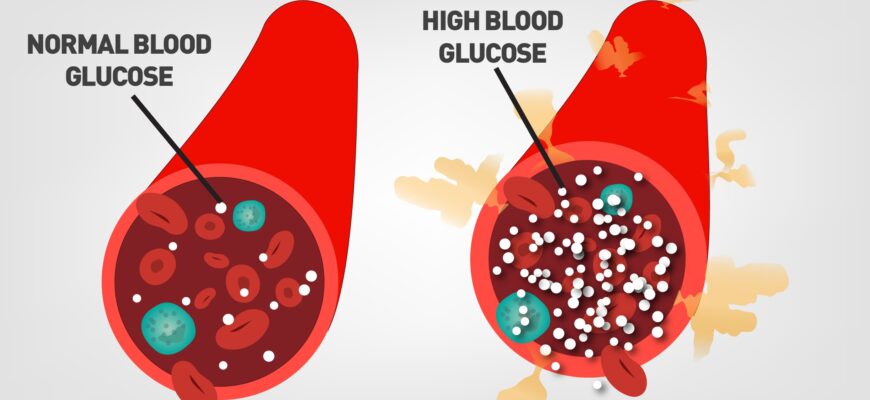
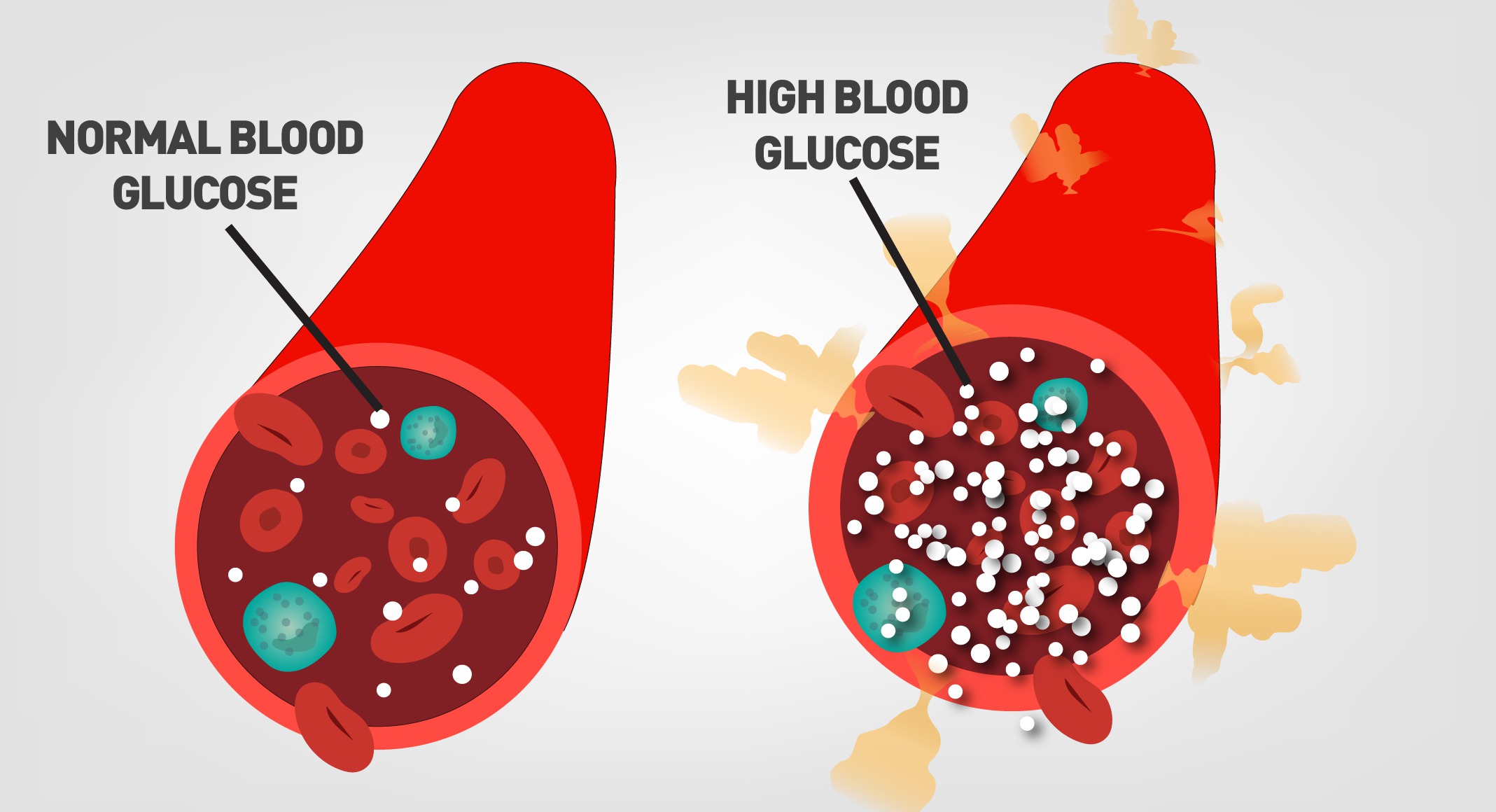
Hyperglycemia means too much glucose in the blood. In people with diabetes it happens when the body lacks insulin or cannot use it well. It can also be caused by illness, stress, steroid medicines or eating too many carbohydrates. About 38 million Americans have diabetes, and about 1 in 5 do not know it, according to the CDC.
Targets
For most adults with diabetes, the American Diabetes Association suggests a fasting glucose of 80 to 130 mg/dL and under 180 mg/dL two hours after the start of a meal. For people without diabetes, fasting levels are under 100 mg/dL. Diabetes is diagnosed at a fasting level of 126 mg/dL or higher, or an A1C of 6.5% or higher. A level of 100 to 125 mg/dL fasting means prediabetes.

Symptoms of high blood sugar
- Increased thirst and dry mouth.
- Frequent urination.
- Blurry vision.
- Fatigue and headache.
- Unexplained weight loss.
- Slow healing of cuts and frequent infections.
Short-term dangers
- Diabetic ketoacidosis (DKA), mostly in type 1 diabetes: the body breaks down fat for fuel and produces ketones, causing nausea, vomiting, fruity breath, rapid breathing, and confusion. It is a medical emergency.
- Hyperosmolar hyperglycemic state (HHS), mostly in type 2 diabetes, with glucose often above 600 mg/dL, severe dehydration and confusion.
Long-term risks
Years of high glucose damage blood vessels and nerves, causing heart disease and stroke, kidney disease (diabetes is the leading cause of kidney failure), eye disease and blindness, nerve damage (neuropathy), foot ulcers and amputations, gum disease, and cognitive decline. Lowering A1C by 1 percentage point cuts the risk of small blood vessel complications by about 37%, according to the UKPDS and DCCT trials.
What to do
- Check blood sugar, and check ketones in type 1 diabetes if the level is above 250 mg/dL.
- Drink water.
- Take medication as prescribed. Correction doses of insulin follow a plan from your doctor.
- Go for a walk if you feel well and have no ketones. Exercise when ketones are present can make things worse.
- Review your meal plan, medication, and sick day rules with your care team.
Emergency
Call 911 or go to the emergency room for confusion, vomiting that does not stop, fruity breath, trouble breathing, extreme drowsiness, or a blood sugar above 300 mg/dL that does not come down.

Glucose thresholds
For diagnosis, a fasting glucose of 126 mg/dL or higher, an A1C of 6.5 percent or higher, or a random glucose of 200 mg/dL or higher with symptoms indicates diabetes. Prediabetes is fasting 100 to 125 mg/dL or A1C 5.7 to 6.4 percent. The CDC estimates that 38 million Americans have diabetes and 97 million adults have prediabetes. Blood sugar above 250 mg/dL with ketones in type 1 diabetes can lead to diabetic ketoacidosis, an emergency with nausea, fruity breath and rapid breathing. A hyperosmolar hyperglycemic state is a related emergency in type 2 diabetes. Staying hydrated and following the treatment plan are key.
Based on data from the CDC and the American Diabetes Association