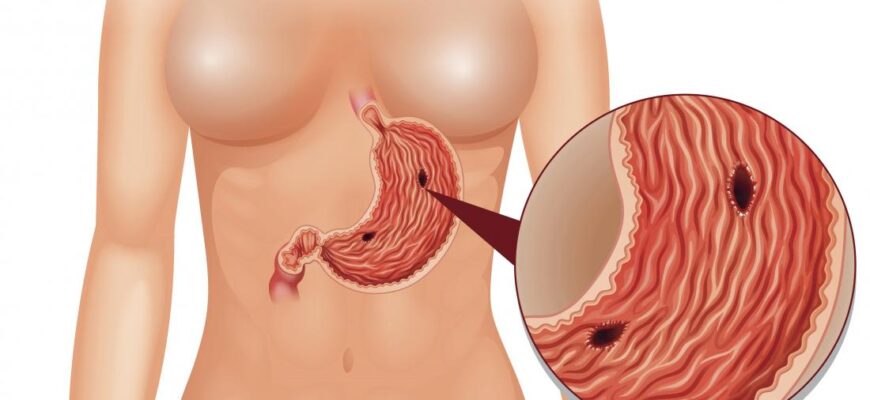
A bowel perforation is a hole in the intestine wall, caused by conditions such as diverticulitis, ulcers, appendicitis, or injury. It is a medical emergency.
Causes
- Diverticulitis.
- Peptic ulcers.
- Appendicitis.
- Crohn’s disease and ulcerative colitis.
- Trauma and surgery.
- Cancer.
Symptoms
Severe belly pain, fever, nausea, a rigid abdomen and a fast heartbeat.
Emergency
This is a medical emergency. Call 911. It needs surgery and antibiotics.
Risks
Infection of the belly lining (peritonitis) and sepsis.
What perforation is
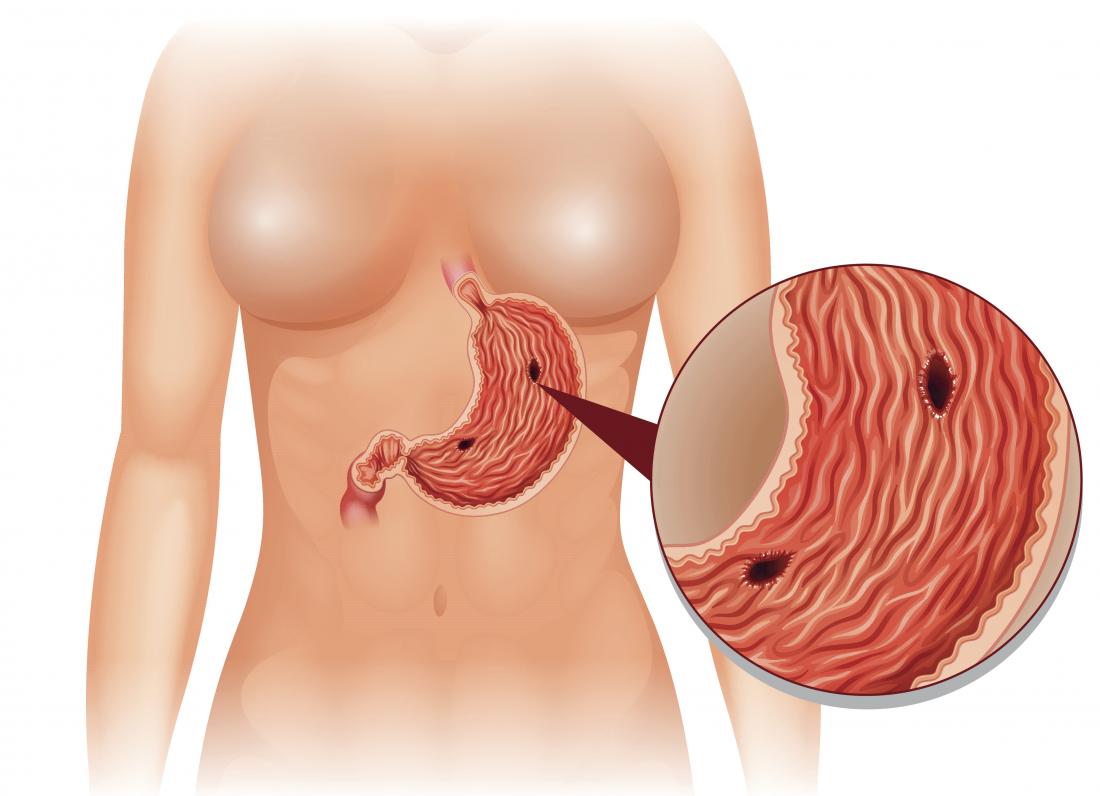
A perforated bowel is a hole through the wall of the large or small intestine. It lets intestinal contents leak into the abdominal cavity, causing peritonitis and sepsis. It is a surgical emergency, with mortality of 10% to 40% depending on the cause and delay in treatment.
Main causes
- Diverticulitis, in which pouches in the colon become inflamed.
- Appendicitis that has burst.
- Peptic ulcers that erode through the stomach or duodenal wall.
- Inflammatory bowel disease (Crohn’s disease, ulcerative colitis).
- Bowel obstruction or severe constipation.
- Colon cancer.
- Trauma from accidents or penetrating injury.
- Complications of colonoscopy, endoscopy or surgery (rare).
- Ischemia, from reduced blood flow.
- Swallowed foreign objects, such as sharp bones or magnets.
- Medications, including NSAIDs and steroids.
Symptoms
Sudden severe abdominal pain, a rigid, tender belly, fever, chills, nausea and vomiting, rapid heart rate and breathing, and bloating. Pain can worsen with movement.
Emergency

Call 911 or go to the emergency room immediately. Do not eat or drink.
Diagnosis
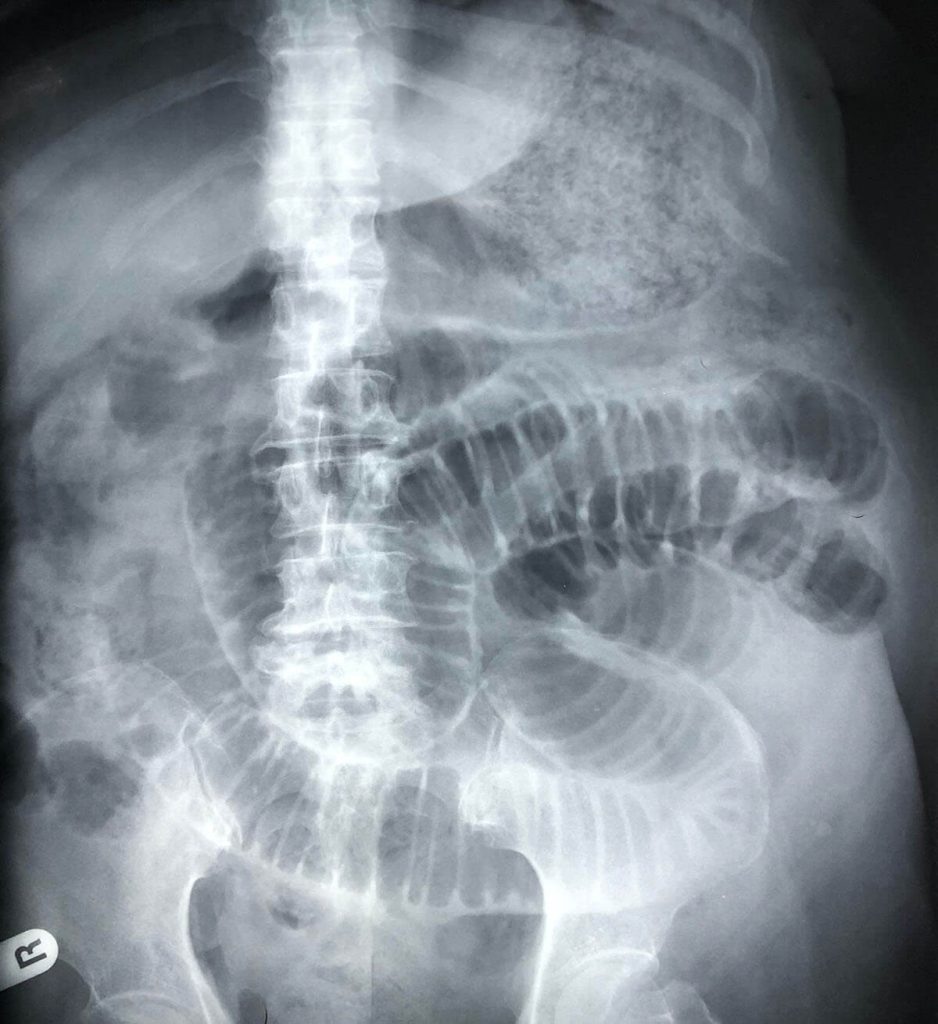
CT scan of the abdomen is the main test, along with blood tests. Free air under the diaphragm on X-ray suggests perforation.
Treatment
Treatment includes intravenous fluids, antibiotics and surgery to repair the hole or remove a section of bowel, sometimes with a temporary colostomy.
Risk factors
Older age, chronic NSAID use, steroid use, diverticular disease and prior abdominal surgery.
Causes and urgency
A perforated bowel is a hole in the wall of the stomach, small intestine or colon that lets contents leak into the abdomen, causing peritonitis and sepsis. Causes include diverticulitis, appendicitis, peptic ulcers, inflammatory bowel disease, bowel obstruction, trauma, cancer, ischemia and complications of procedures such as colonoscopy, where perforation occurs in roughly 1 in 1,000 or fewer cases. Symptoms include sudden severe abdominal pain, a rigid belly, fever, nausea, vomiting, fast heart rate and weakness.
Diagnosis and treatment
Perforation is a medical emergency: call 911 or go to the emergency room immediately. Diagnosis uses a physical exam, blood tests and a CT scan, and X-rays may show free air in the abdomen. Treatment usually requires intravenous fluids, antibiotics and surgery to repair or remove the damaged section, sometimes with a temporary colostomy. Mortality can reach 30 percent or higher in some groups, particularly with delay, older age or other illnesses, so rapid care matters. Risk factors include NSAID use, steroid use, age over 60 and a history of diverticular disease.
Based on data from the Mayo Clinic and the American Society of Colon and Rectal Surgeons