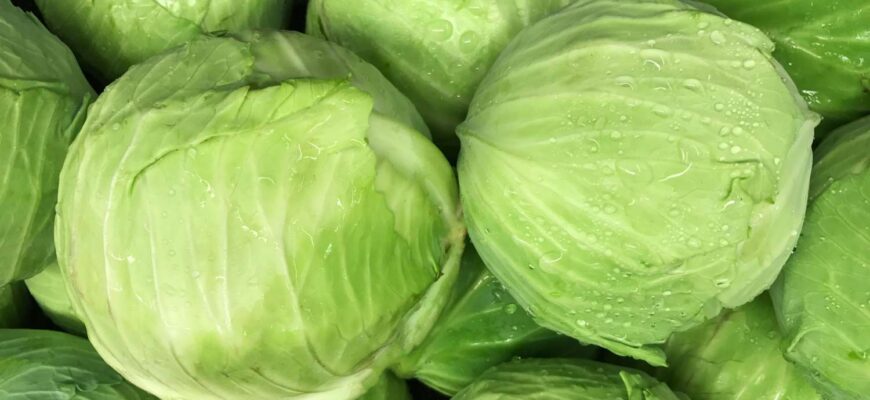
A whole head of cabbage keeps 1 to 2 months in the fridge, and cut cabbage keeps 3 to 5 days.
Whole cabbage
A whole head of cabbage keeps 1 to 2 months in the fridge crisper drawer, and up to 3 months in cool storage (32 to 40 F).
Cut cabbage
Cut or shredded cabbage keeps 3 to 5 days in a sealed bag or container.
Cooked cabbage
3 to 5 days in the fridge, and 10 to 12 months frozen.
Tips
- Don’t wash until ready to use.
- Wrap in plastic or a bag.
- Remove wilted outer leaves.
Spoilage
Slimy leaves, sour smell or dark spots mean discard.
Fermented

Sauerkraut lasts months.
Freeze
Blanch for 90 seconds first.
Whole cabbage
A whole head of cabbage keeps for 1 to 2 months in the refrigerator crisper drawer, and some dense varieties such as green and red cabbage last up to 3 months when stored properly at 32 to 40 F and high humidity. Savoy and napa types last 1 to 2 weeks. Store it uncut, with the outer leaves on, and unwashed. Wrap the head loosely in plastic or place it in a perforated bag.
Cut cabbage
Once cut, cabbage keeps 5 to 7 days in the fridge when wrapped tightly in plastic wrap or placed in an airtight container. Cut surfaces dry out and discolor. Shredded cabbage lasts 3 to 5 days, and coleslaw made with dressing keeps for 3 to 5 days.
Cooked cabbage
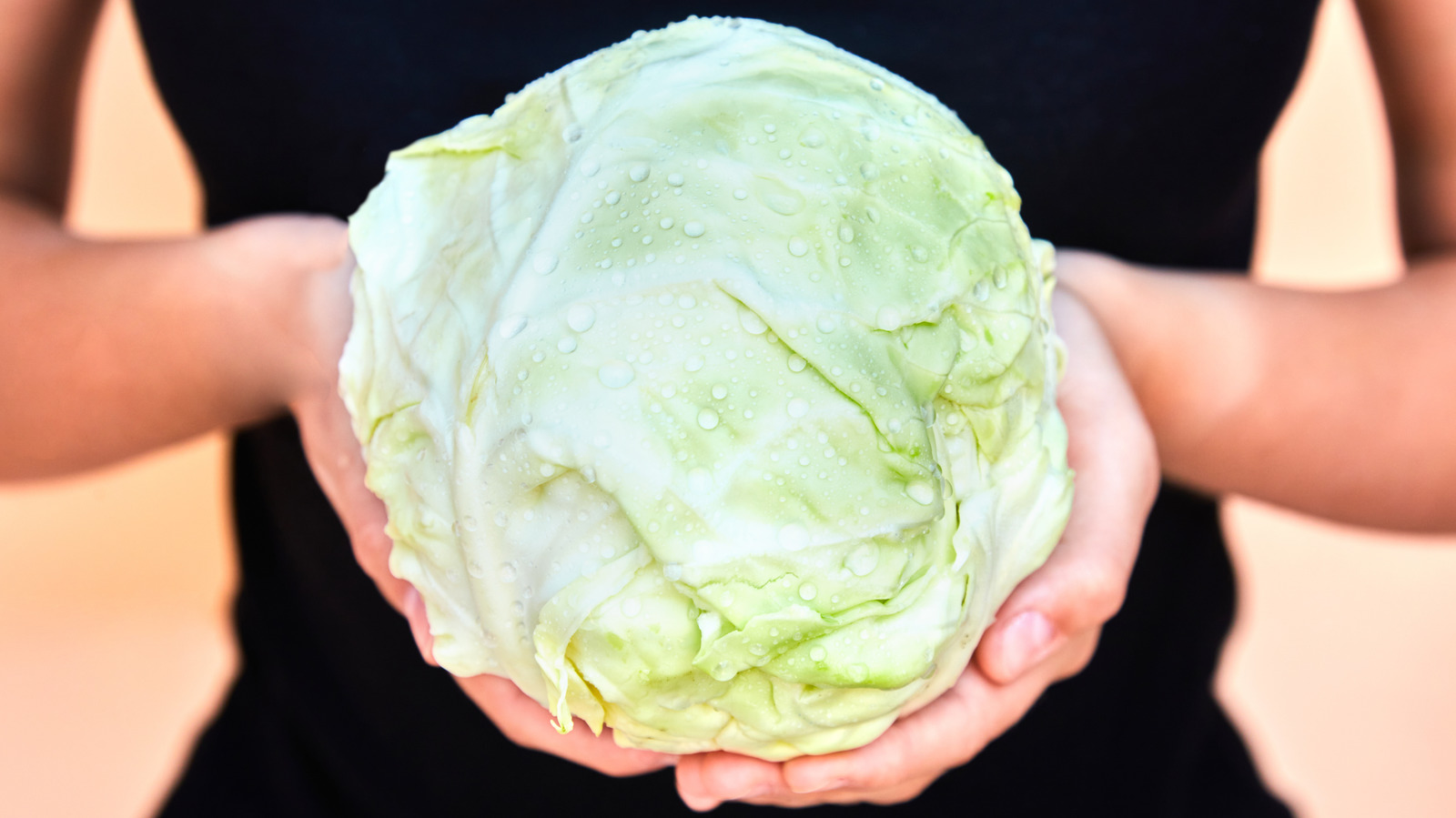
Cooked cabbage keeps for 3 to 5 days in a sealed container in the fridge, according to USDA guidance for cooked vegetables. Reheat to 165 F. Cabbage soup or stew keeps 3 to 4 days.
Storage tips
- Do not wash cabbage before storing, since moisture speeds spoilage.
- Keep it away from apples, tomatoes and bananas, which release ethylene gas that makes leaves yellow and bitter.
- Remove outer leaves if they wilt, as inner leaves stay fresh.
- Store in the crisper drawer where humidity is higher.
- Place a paper towel with cabbage wedges to absorb moisture.
Signs of spoilage
- Slimy, wet or mushy leaves.
- Black or brown spots that go deep.
- A strong rotten or sulfur smell, beyond the normal mild cabbage odor.
- Mold.
Surface brown spots or limp outer leaves can be trimmed off. If rot has spread inside, discard the cabbage.
Fermented cabbage
Sauerkraut and kimchi are fermented cabbage products. Refrigerated sauerkraut keeps for 4 to 6 months, and kimchi for 3 to 6 months or more with flavor getting sourer over time. Fermentation relies on lactic acid bacteria and salt at about 2% by weight.
Freezing
Blanch cabbage for 90 seconds for wedges or 1.5 minutes for shredded, cool in ice water, drain, and freeze in airtight bags for up to 9 to 12 months. Frozen cabbage is soft after thawing, so use it in cooked dishes like soups, stir fries and rolls.
Nutrition
One cup (89 grams) of raw cabbage has about 22 calories and gives about 54% of the daily value of vitamin C and 85% of vitamin K.

Storage conditions and spoilage
Whole green cabbage heads keep 1 to 2 months in the crisper at 32 to 40 F with high humidity, and savoy and red cabbages last similar times. Leave outer leaves on until use. Cut cabbage lasts about 5 to 7 days wrapped tightly in plastic. Cooked cabbage keeps 3 to 5 days in the fridge in sealed containers. Signs of spoilage are slimy leaves, strong sulfur odor, black spots across leaves and mold. Blanch shredded cabbage for 90 seconds before freezing for up to 12 months. Cabbage is a good source of vitamin K (about 85 percent of the daily value per cup cooked) and vitamin C.
Based on data from the USDA and university extension services




