Breaking a lease can mean owing remaining rent, fees, and losing your deposit, and may hurt your credit. Many states require landlords to try to re-rent, so check your lease and local law.
Possible consequences
- Owing the rest of the rent until the lease ends, minus any new tenant found.
- Early termination fees (often 1 to 2 months of rent).
- Losing your security deposit.
- Collections and damage to your credit.
- Eviction record if you stop paying.
Landlord’s duty
In most states, landlords must try to re-rent (duty to mitigate).
Legal reasons to break a lease
Military deployment (Servicemembers Civil Relief Act), domestic violence, uninhabitable conditions and landlord violations. Some states allow early termination for victims of abuse.
What to do
Read your lease, give written notice, negotiate and look for a replacement tenant (sublet).

Advice
Contact a tenant rights group or lawyer.
Possible consequences
Breaking a lease before it ends can lead to financial and credit consequences, but exact results depend on the state and the lease terms. A tenant may owe rent for the remainder of the term, an early termination fee, which is often one to two months of rent, and the landlord’s costs for finding a new tenant. The landlord may keep the security deposit.
Landlord’s duty to mitigate
In most states, the landlord must make reasonable efforts to re-rent the unit, called a duty to mitigate damages. Once a new tenant takes over, the original tenant’s obligation for rent ends. A few states, such as Texas by statute for most cases, require this, while some states are less strict. Check your state’s landlord tenant law.

Impact on credit and renting
A landlord may send unpaid rent to collections, and a collection account can lower a credit score by 100 points or more for several years, and stays on a report for up to seven years. A judgment for unpaid rent can lead to wage garnishment. An eviction record or a lease break can make future renting harder.
Legal reasons to break a lease
- Military deployment or a permanent change of station under the Servicemembers Civil Relief Act.
- Domestic violence, with protections in many states.
- The unit is uninhabitable, such as serious mold, no heat or water, or other major code violations that the landlord does not fix.
- The landlord violates your privacy rights or harasses you.
- Landlord’s breach of the lease or illegal lease terms.
- Some states allow early termination for a job loss or a serious health problem, and for tenants over 62 in a few places.
What to do
- Read the lease for termination clauses, fees and notice requirements.
- Give written notice, usually 30 to 60 days.
- Ask the landlord to agree to a lease buyout or assignment.
- Offer to find a replacement tenant or to sublet if the lease allows it.
- Document the condition of the unit with photos and request a move out inspection.
- Get any agreement in writing.
Advice
Contact a local tenant rights group, legal aid office or an attorney before you move. This is general information and not legal advice, and the law varies by state.
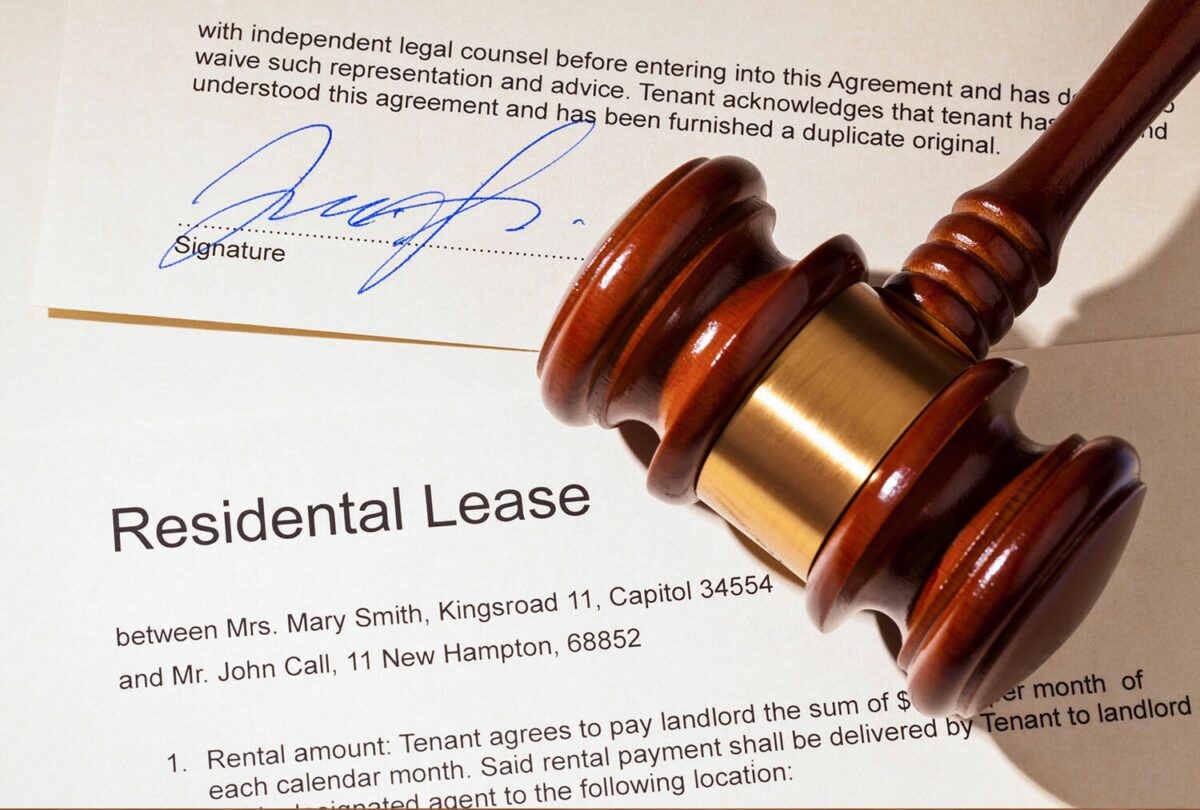
Typical costs and defenses
Breaking a lease commonly leaves the tenant responsible for rent until the unit is re-let or the lease ends, plus early termination fees that are often one to two months of rent if the lease allows. Most states require landlords to make reasonable efforts to find a new tenant. Protected reasons include active military deployment under the Servicemembers Civil Relief Act, domestic violence in many states, unit uninhabitability and landlord harassment. Unpaid balances can go to collections and affect credit for up to 7 years. Give written notice, offer to help find a replacement tenant or negotiate a lease buyout. Landlord-tenant law varies, so check state rules or a tenant rights group.
Based on data from state landlord-tenant statutes and the Servicemembers Civil Relief Act