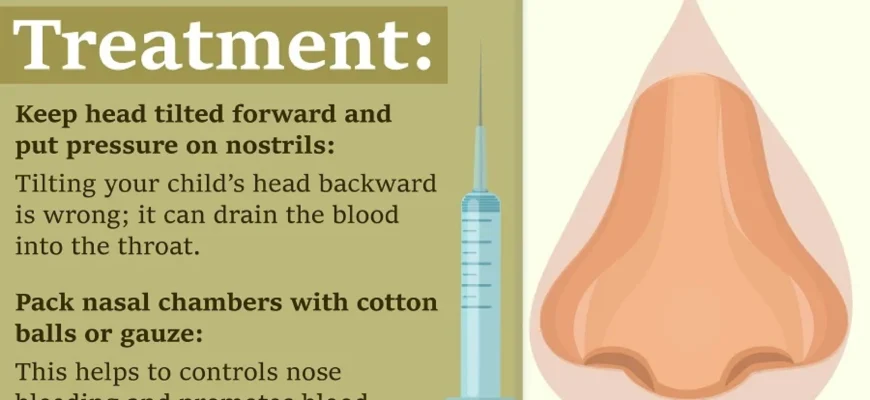
Nosebleeds are caused by dry air, nose picking, injury, allergies, or high blood pressure. Lean forward and pinch your nose for 10 minutes.
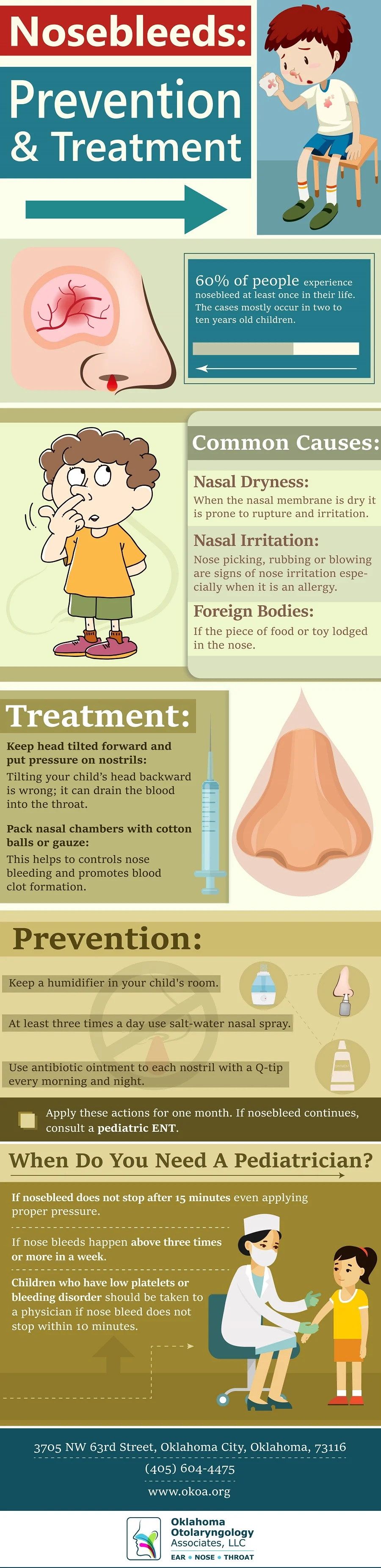
Causes
The lining of the nose has many fragile blood vessels.
- Dry air (winter, heating).
- Nose picking and forceful blowing.
- Injury.
- Allergies, colds and sinus infections.
- Blood thinners and nasal sprays.
- High blood pressure (can make them worse).
What to do
- Sit up and lean forward.
- Pinch the soft part of your nose for 10 minutes.
- Breathe through your mouth.
- Apply ice to the nose bridge.
Don’t
Lean back or stuff tissue far into the nose.
Prevention
Humidifier, saline spray and petroleum jelly.
Get help if
Bleeding lasts over 20 minutes, follows a head injury, or is heavy.
What happens during a nosebleed
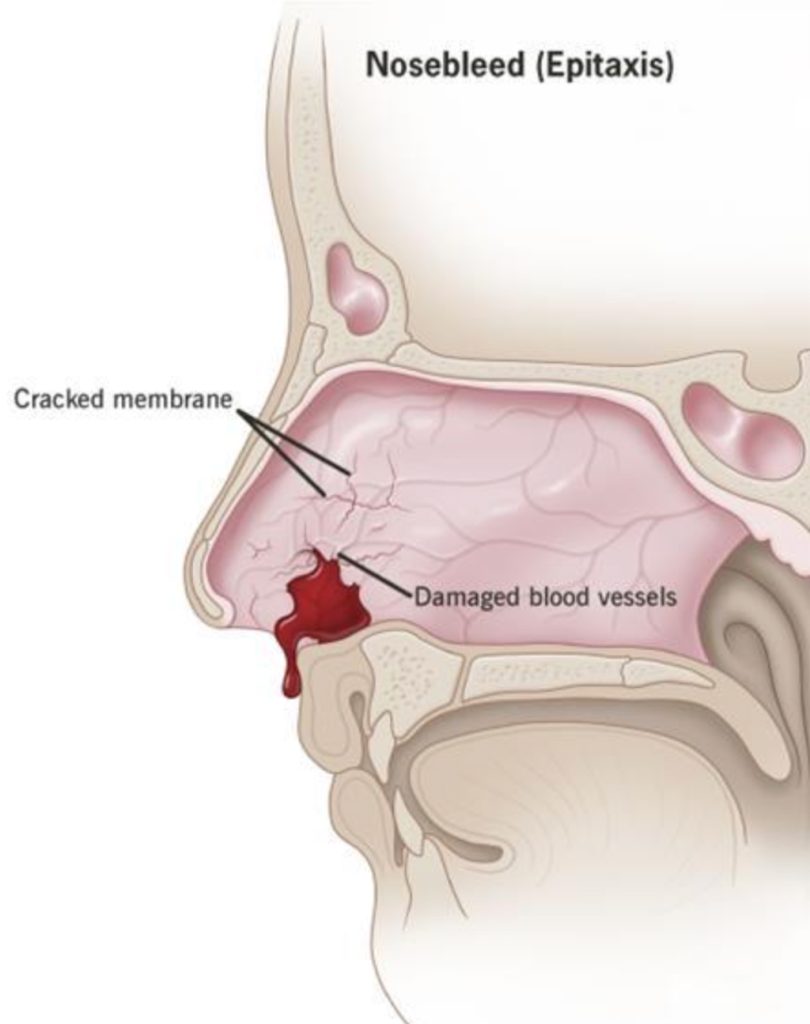
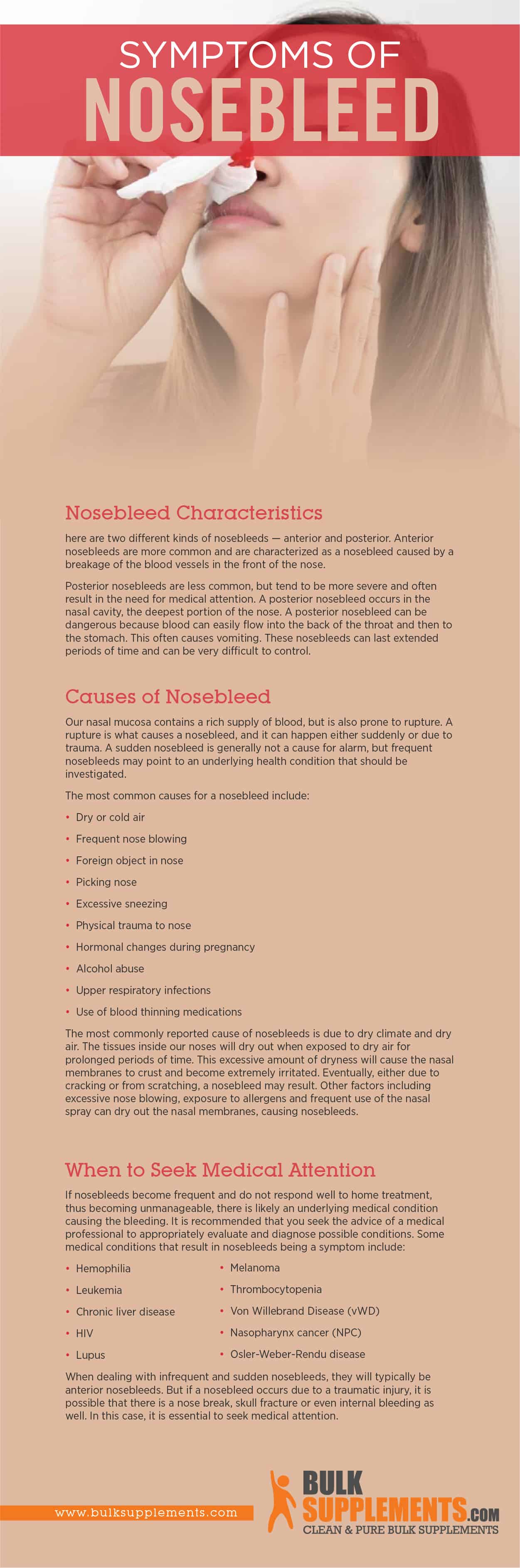
The inside of the nose is lined with fragile blood vessels close to the surface. Most nosebleeds (about 90%) start in the front part of the septum, in a network of vessels called Kiesselbach’s plexus. Posterior nosebleeds, deeper in the nose, are less common, heavier and more frequent in older adults. About 60% of people have at least one nosebleed in their life, and 6% need medical care.
Common triggers
- Dry air from winter heating or arid climates.
- Nose picking and forceful blowing.
- Colds, allergies and sinus infections.
- Nasal sprays overused, including steroid and decongestant sprays.
- Injury to the nose.
- Blood thinners, aspirin and anti-inflammatory drugs.
- High blood pressure may prolong bleeding, but it is rarely the direct cause.
- Bleeding disorders, such as hemophilia and von Willebrand disease, and heavy alcohol use.
- Cocaine and other snorted drugs.
What to do
- Sit up and lean slightly forward, so blood does not run down the throat.
- Pinch the soft part of the nose, just below the bone, for 10 to 15 minutes without releasing to check.
- Breathe through the mouth and spit out blood.
- Apply a cold pack to the bridge of the nose, if you like.
Do not
- Do not tilt your head back.
- Do not lie down flat.
- Do not stuff tissue deep into the nose.
- Do not blow your nose for several hours after the bleeding stops.
Prevention
- Keep the nose moist with saline sprays or a thin layer of petroleum jelly inside the nostril.
- Use a humidifier.
- Trim children’s fingernails.
- Sneeze with your mouth open.
- Use nasal sprays as directed, aiming away from the septum.
Get help if
Bleeding does not stop after 20 minutes of pressure, follows a head injury, is heavy, with dizziness or weakness, or happens often. Go to the emergency room if you are on blood thinners and cannot stop the bleeding. Doctors can use nasal packing, cautery with silver nitrate, or tranexamic acid.
Children
Nosebleeds are very common in children aged 2 to 10, often from dry air or picking, and are rarely serious. Frequent bleeding in a child should be reviewed by a doctor.
Anatomy and first-aid timing
Most nosebleeds come from the anterior septum, where vessels are close to the surface. Pinching the soft part of the nose for 10 to 15 minutes without checking stops most bleeds. Lean forward to avoid swallowing blood, which can upset the stomach. Cold packs on the nose bridge may help. Bleeding that persists for more than 20 minutes or follows a head injury needs medical care. Posterior nosebleeds, more common in older adults, cause heavy bleeding down the throat and require emergency treatment. Saline gel or petroleum jelly inside the nostril keeps tissue moist and prevents recurrence.
Based on data from the American Academy of Otolaryngology and the Mayo Clinic