
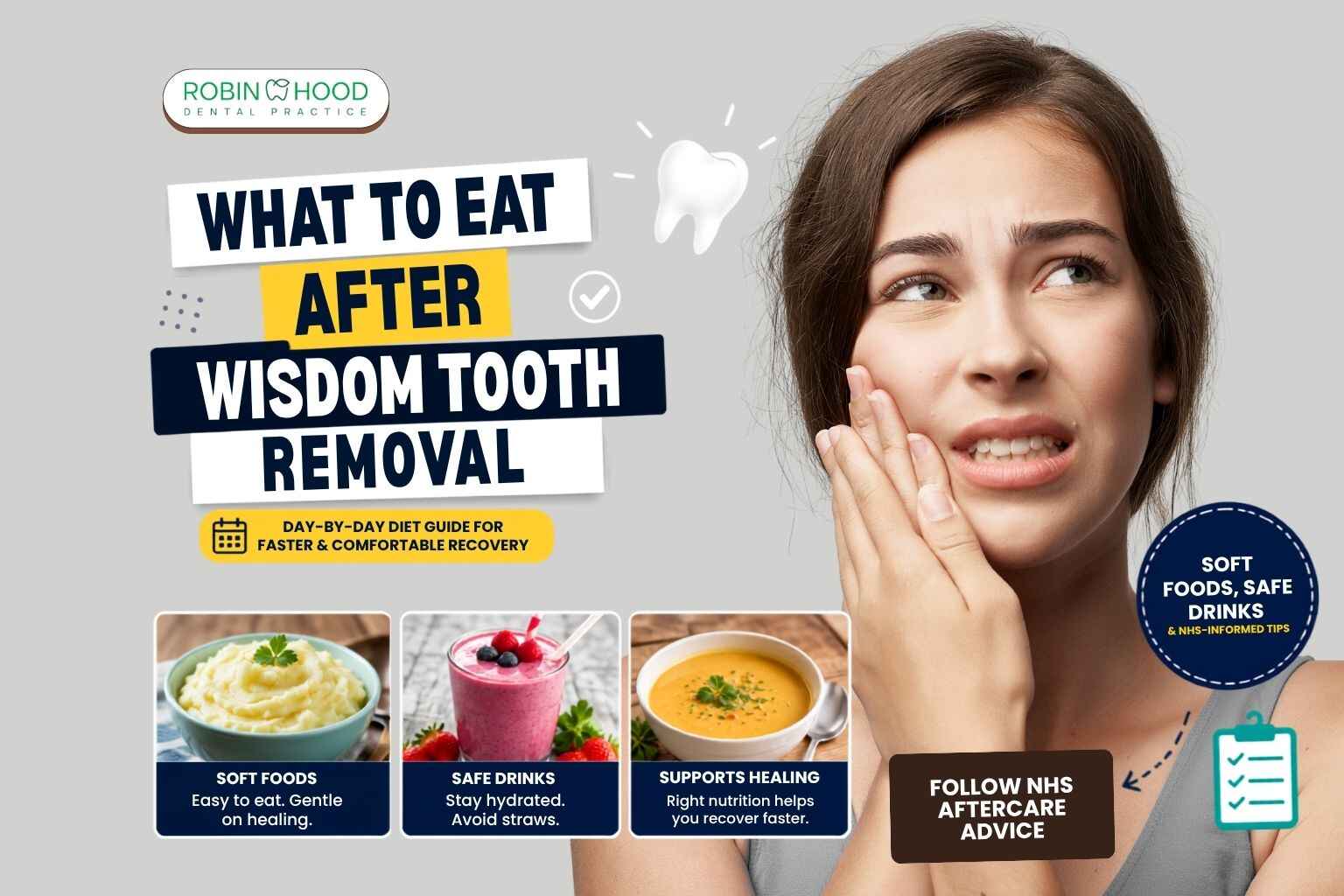
Stick to soft foods for the first few days after wisdom teeth removal, and return to regular food gradually over 1 to 2 weeks as your dentist allows.
Timeline
- First 24 hours: cool, soft foods (yogurt, smoothies without straws, pudding, applesauce).
- Days 2 to 3: soft warm foods (scrambled eggs, mashed potatoes, soup).
- Days 4 to 7: soft solids such as pasta and fish.
- After 1 to 2 weeks: most people can return to regular food as comfort allows.
Avoid
Hard, crunchy, spicy or sticky foods (chips, nuts, popcorn) for 1 to 2 weeks, and straws.
Chew on the other side
Until the site heals.
Dry socket
Occurs in 2 to 5 percent. Avoid smoking and spitting.
Hydration
Drink water.
Follow your oral surgeon
Instructions vary.
Healing
Full gum healing takes 3 to 4 weeks.
Timeline
Recovery varies by how many teeth and how difficult the surgery was. A general guide:
- First 24 hours: clear liquids, cool soft foods such as yogurt, pudding and applesauce.
- Days 2 to 3: soft foods like scrambled eggs, mashed potatoes, soup (lukewarm), oatmeal and pasta.
- Days 4 to 7: add soft proteins such as fish, tender chicken and well-cooked vegetables, chewing on the other side.
- Day 7 to 14: most people can go back to semi-regular food, avoiding hard or crunchy items near the surgical site.
- 2 to 4 weeks: normal diet for most. Full healing of the socket takes 4 to 6 weeks, and bone takes months.
Always follow the guidance from your oral surgeon, who knows how your surgery went.

Avoid
- Hard, crunchy, chewy and sticky foods, like chips, nuts, popcorn, hard bread crust, steak, chewing gum and caramel for at least 1 to 2 weeks.
- Small seeds and grains such as sesame, rice and quinoa, which can get stuck in the sockets.
- Very hot, spicy or acidic foods and drinks that irritate healing.
- Alcohol, which can interact with pain medicine and slow healing.
- Straws and smoking for at least a week, as suction can dislodge the clot.
Chew on the other side
Use the opposite side of your mouth until the surgical area is comfortable, and cut food into small pieces.
Dry socket
Dry socket affects 2% to 5% of extractions, and is more likely if the blood clot is lost. Signs include severe throbbing pain on days 2 to 4, bad breath, and visible bone. Call your surgeon.
Hydration
Drink plenty of water. Avoid carbonated or very hot drinks in the first days.
Follow your oral surgeon
Rinse gently with warm salt water after meals starting 24 hours after surgery, and use the irrigation syringe if provided from about day 5 to 7 to flush food from sockets.
Healing
Soft tissue closes in 1 to 2 weeks, and sockets fill with bone in 3 to 6 months. Nutrition with protein, vitamins C and D helps healing.
Staged diet after extraction
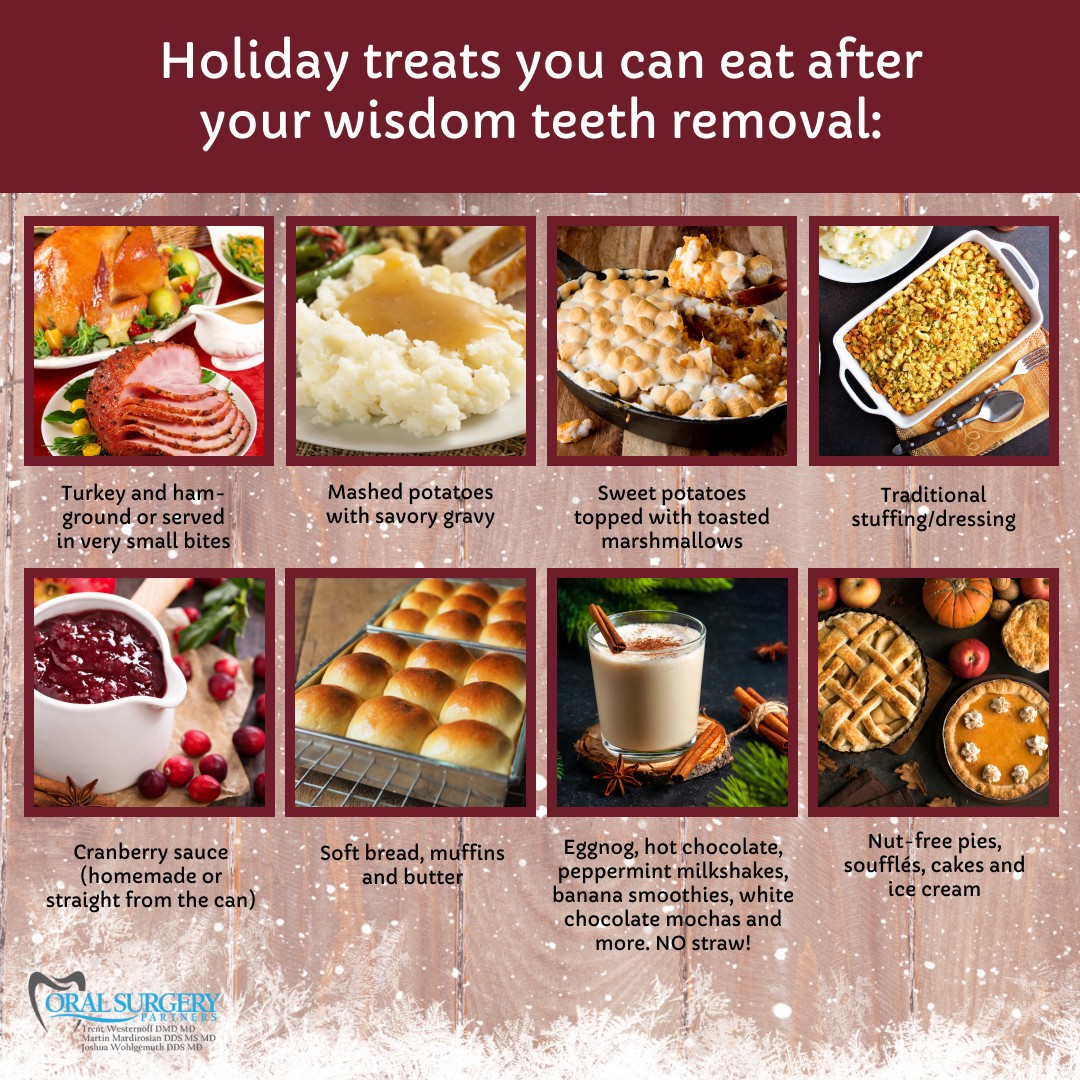
Most surgeons advise liquids and very soft foods for the first 24 hours, such as yogurt, applesauce, smoothies eaten with a spoon, broth and pudding. From days 2 to 3, add soft foods like scrambled eggs, mashed potatoes, oatmeal and pasta. Around days 4 to 7, soft solids like fish, soft bread and well cooked vegetables are usually fine. Most people return to a normal diet in about 7 to 14 days, though chewing on the surgical side may stay uncomfortable for 2 weeks or longer. Avoid crunchy, hard, sticky and small seeded foods, such as chips, nuts and popcorn, which can lodge in sockets. Avoid hot foods for the first day, and do not use straws for at least 3 to 7 days. Stay hydrated, and avoid alcohol while taking pain medicines. Follow the specific instructions from your oral surgeon, since healing varies with the complexity of the extraction.
Based on data from the American Association of Oral and Maxillofacial Surgeons







