To drive a car, adjust your seat and mirrors, buckle up, press the brake, shift to drive, release the brake, and accelerate gently while steering. Learn with a licensed instructor and a learner’s permit.
Steps
- Adjust the seat, mirrors (rearview and side) and steering wheel.
- Fasten your seat belt.
- Press the brake and start the car.
- Shift into Drive (automatic).
- Release the parking brake.
- Release the brake gradually and press the accelerator gently.
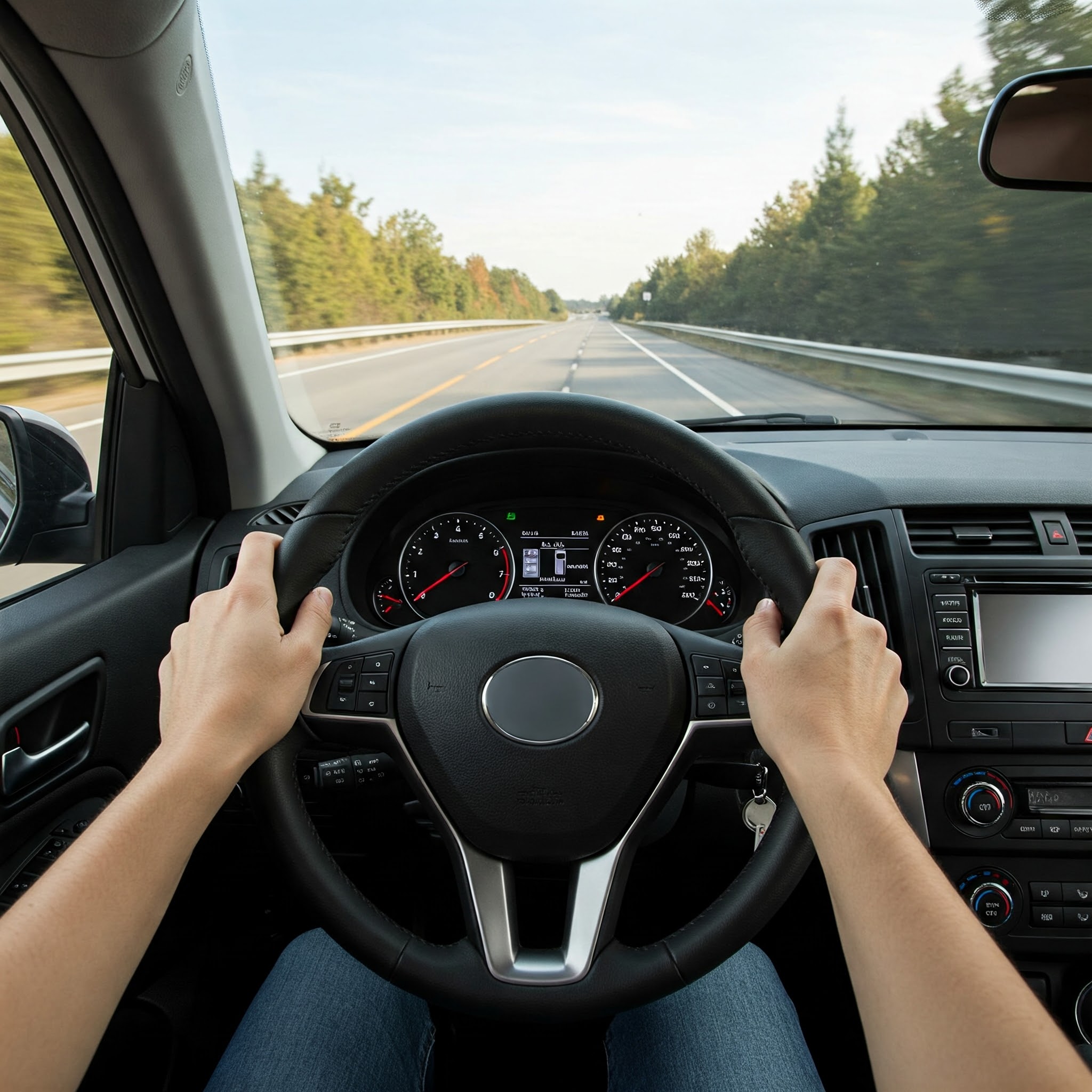
- Steer with both hands (9 and 3 positions).
- Check mirrors and blind spots, and signal before turning.
Learning
Practice with a licensed adult in a parking lot first. Most states require a learner’s permit and driver education.
Safety
Follow speed limits. Don’t text or drive impaired.
Facts
NHTSA reports about 40,000 US traffic deaths a year.
Test
Pass a written and road test.
Before you drive
- Adjust the seat so your knees are slightly bent and your feet reach the pedals fully.
- Set mirrors so you can see lanes beside you with little blind spot.
- Fasten the seat belt, and make sure passengers do too.
- Check that lights, wipers and tire pressure are fine.
Pedals and controls
- In an automatic, the right foot handles both the accelerator and the brake. The left foot stays off the pedals.
- Press the brake, start the car, then shift from Park to Drive.
- Release the brake slowly and the car creeps forward without gas.
Manual transmission basics
A manual car has a clutch pedal. To start moving, press the clutch, select first gear, slowly release the clutch while adding gas gently. Stalling is common at first. Practice on an empty flat lot.

Following distance
Keep at least 3 seconds behind the car ahead. Use 4 to 6 seconds in rain or snow. Pick a fixed object on the road, and count after the car ahead passes it.
Most common beginner mistakes
- Looking too close in front of the car instead of far ahead.
- Braking too hard because of poor distance judgment.
- Wide or tight turns.
- Not checking blind spots before changing lanes.
- Driving too fast for conditions.
Where to practice
Start in an empty parking lot, then quiet streets, then busier roads, then highways, and later at night and in rain.
Licensing
In the US, most states use a graduated system: learner permit, then restricted license, then full license, with required supervised hours that vary from state to state. Check the state motor vehicle agency for the exact rules.
Pedals, mirrors and the first drive
Before moving, adjust the seat so the knees are slightly bent when the brake is fully pressed, set the mirrors to cover blind spots, and fasten the seat belt. Seat belts reduce the risk of death for front seat occupants by about 45 percent, according to NHTSA. In an automatic car, the right foot operates both the accelerator and brake, and the left foot stays off the pedals. Press the brake, shift from Park to Drive, release the parking brake and ease off the brake gently. Practice steering smoothly with hands at 9 and 3 positions. Check mirrors, signal and look over your shoulder before lane changes.
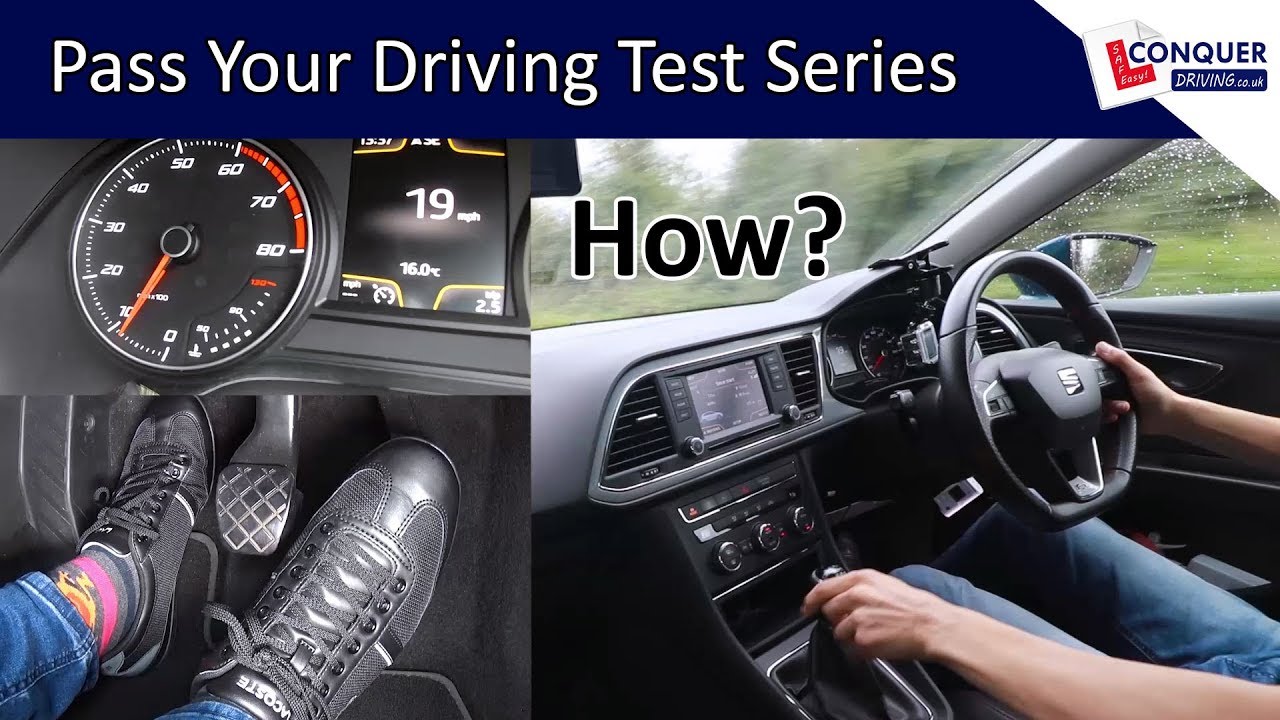
Manual car and speed management
In a manual transmission car, the left foot works the clutch. Learn to find the bite point, where the engine starts to take load, by slowly releasing the clutch while giving light throttle. Stalling is common and not harmful in the beginning. Maintain a following distance of at least 3 seconds in good weather, and 4 to 6 seconds in rain or at highway speeds. Speed limits are posted by state law, and speeding is a factor in about 29 percent of US traffic deaths, per NHTSA. New drivers usually must hold a learner’s permit and complete supervised hours, which commonly run from 30 to 65 hours depending on the state.
Based on data from NHTSA and state motor vehicle departments