Constant ringing in the ears is called tinnitus and can be caused by loud noise, earwax, or ear infection. See a doctor or audiologist if it persists.
What it is
Tinnitus is hearing sound with no outside source: ringing, buzzing, hissing. About 10% to 15% of adults experience it.
Causes
- Loud noise exposure.
- Earwax buildup.
- Ear infection.
- Age related hearing loss.
- Medicines such as high dose aspirin.
- Jaw (TMJ) problems and high blood pressure.
What helps
Sound masking, hearing aids, cognitive behavioral therapy and protecting your ears.
See a doctor
If it is in one ear only, sudden, or comes with dizziness or hearing loss.
Tinnitus
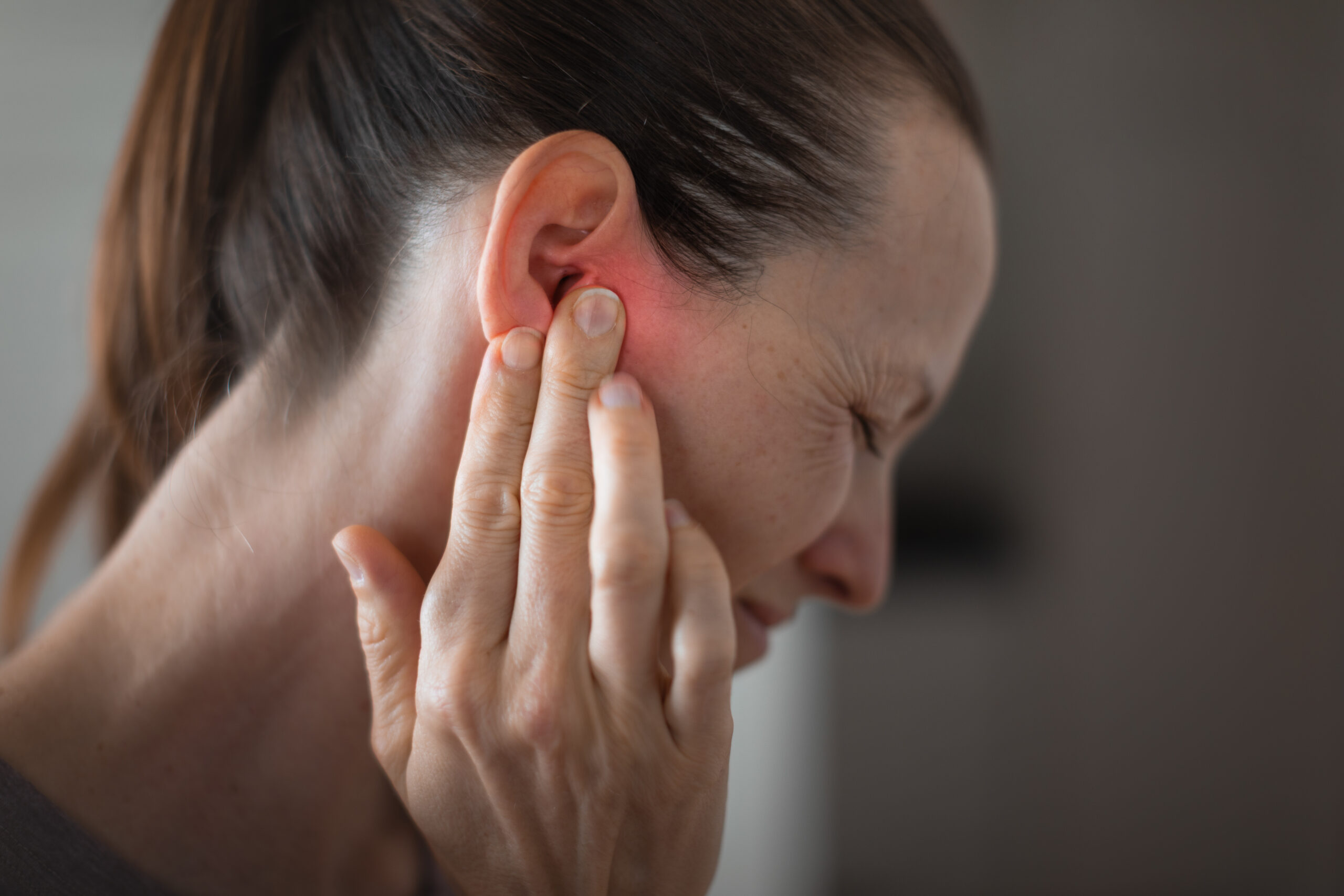
Constant ringing in the ears is called tinnitus. It is a symptom, not a disease, and affects about 10% to 15% of adults, according to the American Tinnitus Association. About 20 million Americans have chronic tinnitus.
Ear related causes
- Noise exposure damaging hair cells in the cochlea.
- Age related hearing loss (presbycusis).
- Earwax blockage.
- Ear infections or fluid.
- Meniere’s disease, with vertigo and fluctuating hearing.
- Otosclerosis.
Medications
Over 200 medications can cause tinnitus, including high doses of aspirin, some antibiotics (such as aminoglycosides), loop diuretics, chemotherapy drugs and NSAIDs. Do not stop a medicine without advice from the prescriber.
Other causes

- Jaw (TMJ) problems and neck injuries.
- High blood pressure and blood vessel disorders.
- Head injuries.
- Acoustic neuroma, a benign tumor on the hearing nerve, usually with one sided tinnitus.
- Stress and sleep problems.
Pulsatile tinnitus
A whooshing sound in time with the heartbeat needs medical evaluation as it can signal blood vessel problems.
What helps
- Protect your ears with earplugs at loud events. Noise above 85 decibels can damage hearing over time.
- Use background sound, white noise or sound machines.
- Cognitive behavioral therapy to reduce distress.
- Tinnitus retraining therapy.
- Hearing aids if there is hearing loss.
- Cut down on caffeine and nicotine for some people.
See a doctor if
Ringing is in one ear only, sudden, pulsing, accompanied by hearing loss, dizziness or weakness, or follows a head injury.
Types and treatment options
Tinnitus is the perception of sound without an external source, and the American Tinnitus Association estimates it affects about 10 to 15 percent of adults. Most cases are subjective, linked to hearing loss, noise exposure, earwax, ear infections or ototoxic medicines such as high dose aspirin and certain antibiotics. A whooshing sound in time with the pulse is pulsatile tinnitus, which can be associated with blood vessel or blood flow conditions and should be evaluated. There is no universal cure, but cognitive behavioral therapy reduces distress in many patients, according to clinical guidelines. Hearing aids help when tinnitus comes with hearing loss, and sound generators or masking sounds can ease awareness.
Devices and professional care
In 2023, the FDA cleared the Lenire device, which combines sound with mild tongue stimulation, for adults with moderate to severe tinnitus. Avoid loud noise, use ear protection and manage stress and sleep. A hearing test and exam by an audiologist or ENT specialist is the first step for constant ringing. Seek urgent care if ringing comes with sudden hearing loss, dizziness, facial weakness or after a head injury.
Based on data from the American Tinnitus Association and the FDA