Shortness of breath can be caused by anxiety, asthma, a cold, or heart or lung problems. Seek emergency care if it is sudden or severe.
Common causes
- Anxiety and panic.
- Asthma or COPD.
- Colds, pneumonia.
- Heart failure or heart attack.
- Anemia.
- Obesity and poor fitness.
- Blood clot in the lung.
Emergency
Call 911 for sudden shortness of breath with chest pain, fainting, blue lips or confusion.
See a doctor
If it lasts or worsens.
Self help
Pursed lip breathing and sitting forward.
Causes by system
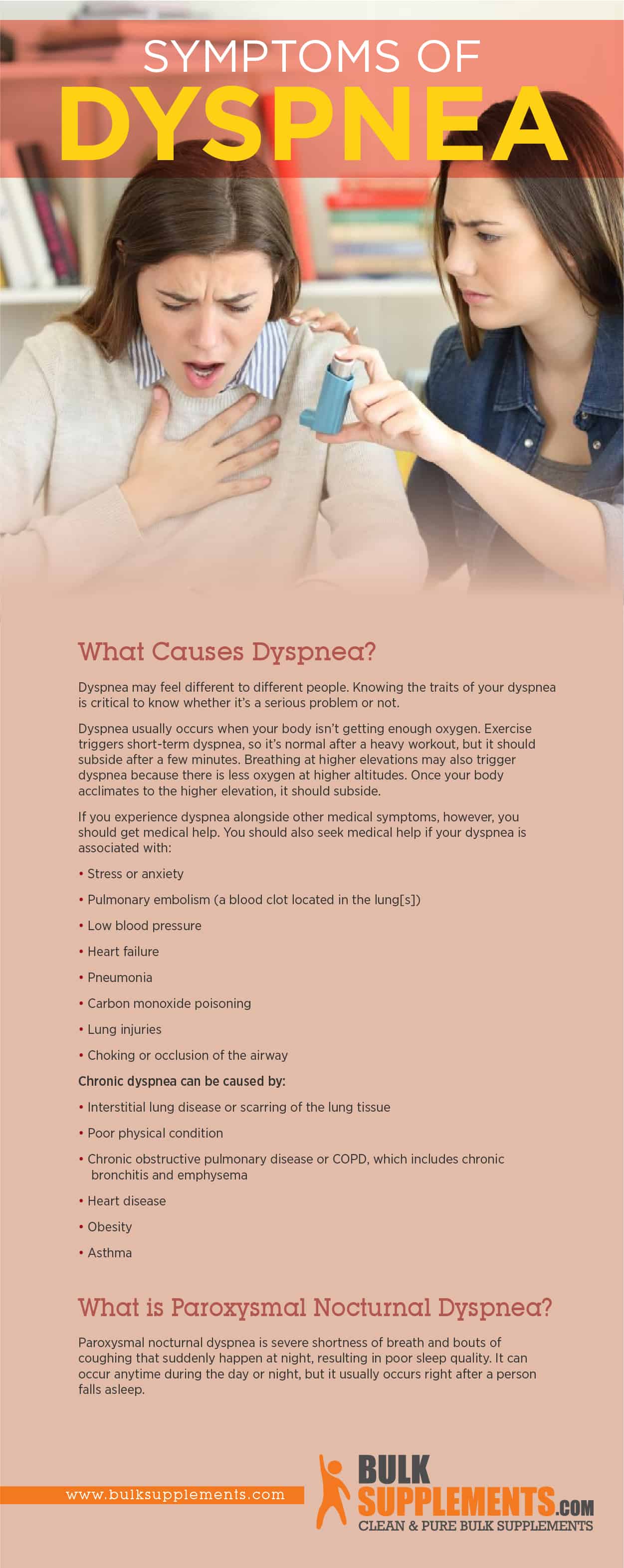
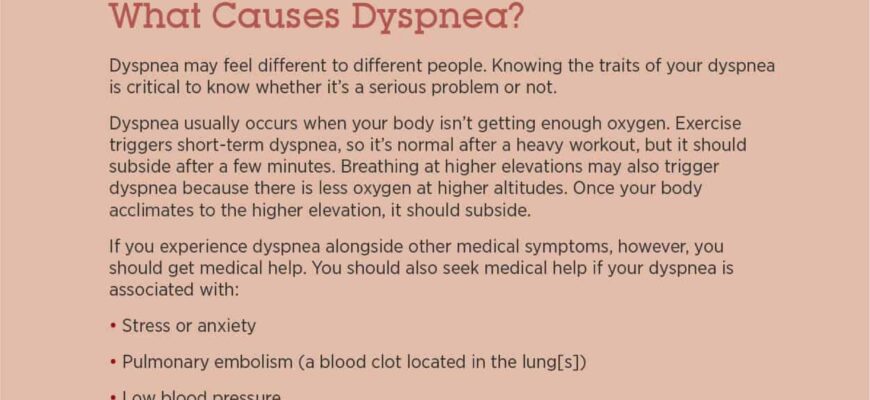
- Lungs: asthma, COPD, pneumonia, pulmonary embolism (blood clot), pneumothorax (collapsed lung), lung disease.
- Heart: heart failure, heart attack, arrhythmias, valve problems.
- Blood: anemia.
- Airway: allergic reactions, choking or foreign body.
- Anxiety and panic attacks.
- Obesity and low fitness.
- Infections: COVID-19, flu, bronchitis.
- Altitude and poor air quality.
Acute versus chronic
Acute breathlessness comes on within minutes to hours. Chronic breathlessness lasts weeks to months. In the US, shortness of breath (dyspnea) accounts for about 3% to 4% of emergency visits.
Warning signs requiring emergency care
- Sudden severe breathlessness or inability to speak in full sentences.
- Chest pain or pressure.
- Blue lips or fingertips.
- Fainting.
- Swelling of one leg after travel or surgery.
- Wheezing with swelling of the face or tongue.
- Coughing blood.
Call 911 for these symptoms.
Self help for mild cases
- Pursed lip breathing: breathe in through the nose for 2 seconds, out through pursed lips for 4 seconds.
- Sit upright, lean forward with arms supported.
- Use a fan on your face.
- Stay calm. Anxiety makes breathlessness worse.
Tests
Doctors may order pulse oximetry, chest X-ray, ECG, blood tests (including D-dimer, BNP and hemoglobin), spirometry and CT scans.
Prevention
Quit smoking, stay active, manage asthma and chronic conditions and get vaccinations against flu, COVID-19 and pneumonia.
Causes by body system
Shortness of breath, or dyspnea, can come from the lungs (asthma, which affects about 25 million Americans, COPD about 16 million, pneumonia, pulmonary embolism), the heart (heart failure, arrhythmias, coronary disease), the blood (anemia), the airways and nose, or anxiety and panic attacks. Obesity, deconditioning, pregnancy, altitude and high altitude also contribute. Acute breathlessness comes on suddenly, while chronic breathlessness lasts weeks to months.

Evaluation and emergencies
Doctors check oxygen saturation with a pulse oximeter, where 95 to 100 percent is typical, a chest X-ray, ECG, spirometry, blood tests such as BNP and D-dimer, and sometimes CT scans. Call 911 for severe breathlessness, chest pain or pressure, blue or gray lips, confusion, fainting, coughing blood or sudden onset after a long trip or surgery, which could point to a clot. For mild cases, pursed lip breathing, sitting upright, a fan, treating allergies and gradual exercise help. Smoking cessation and vaccination reduce lung disease risk.
Based on data from the American Lung Association and the American Heart Association