
Yes. Roaches can carry bacteria like Salmonella and trigger allergies and asthma, so keep your home clean and sealed.
Disease
Yes. Cockroaches can carry bacteria such as Salmonella, E. coli and Staphylococcus on their legs and bodies. They contaminate food and surfaces.
Allergies and asthma
Roach droppings and body parts are strong allergens and can trigger asthma, especially in children. The NIH found roach allergens in more than 60 percent of US homes (national survey).
Parasites
They can carry parasites eggs.
Prevention
- Seal cracks and gaps.
- Store food in sealed containers.
- Clean crumbs and grease.
- Fix leaks.
- Take out trash.
Control
Bait gels, boric acid and professional pest control.
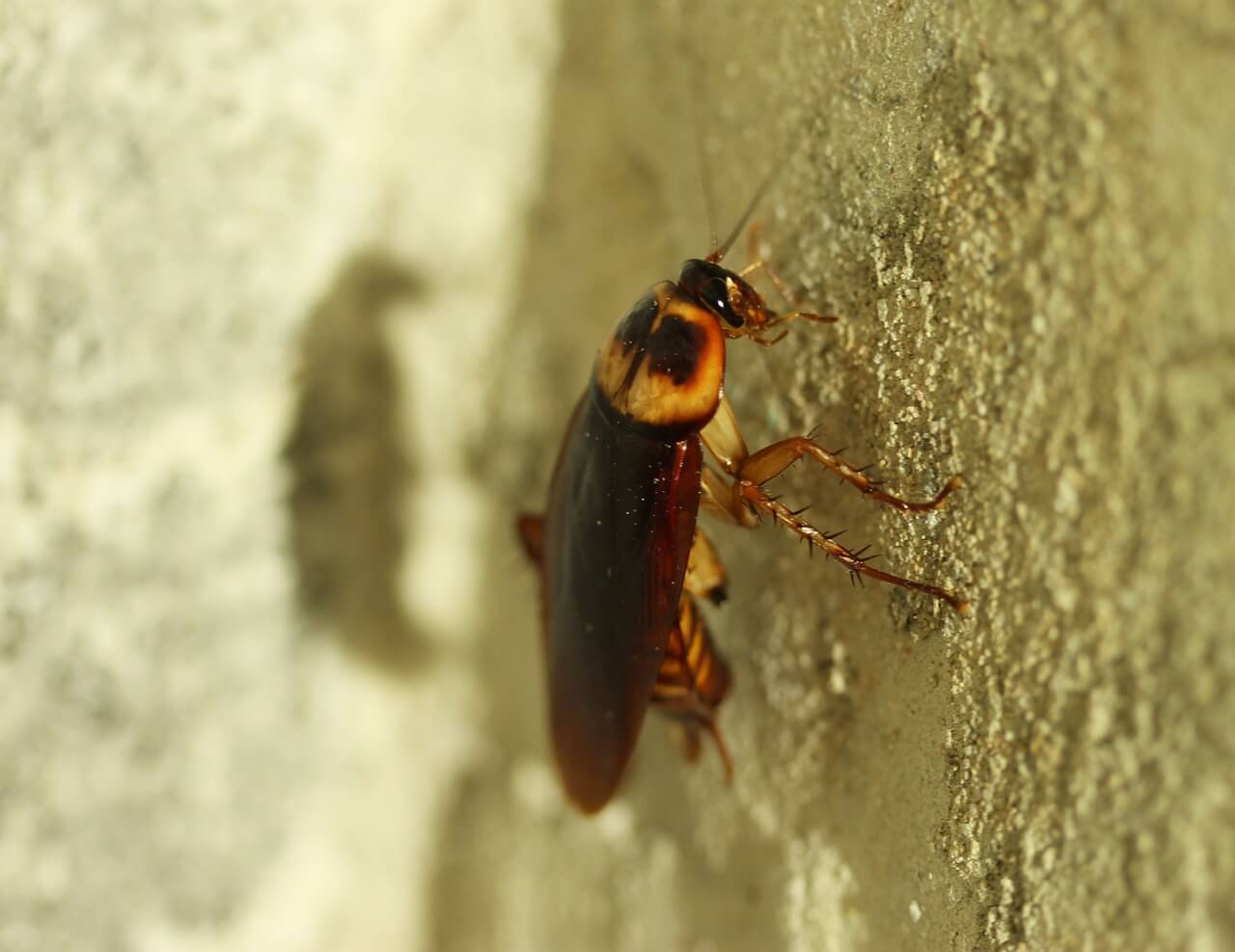
Sign
Droppings that look like pepper, a musty smell and egg cases.
Disease carried by roaches
Yes. Cockroaches carry bacteria, viruses and parasites on their bodies and in their droppings, mostly picked up from sewers, garbage and decaying food. Species such as the German cockroach and American cockroach have been found carrying Salmonella, E. coli, Staphylococcus and Streptococcus. They are suspected of spreading illness mainly by contaminating food and surfaces.
How they spread germs
Roaches walk through waste and then across counters, food and utensils. They leave behind feces, saliva and shed skin. A study in 2018 on hospital roaches found hundreds of bacterial strains, some drug resistant. Direct proof of outbreaks traced to roaches is limited, but the link with food-borne illness, diarrhea and dysentery is well accepted by public health agencies.

Allergies and asthma
Cockroach allergens in droppings, saliva and body parts are a major trigger for asthma, especially in children in cities. The National Institutes of Health found that about 63% of US homes have detectable cockroach allergen, and in inner-city homes it is more than 90%. Exposure and sensitization to roaches are strongly tied to asthma attacks and emergency visits.
Parasites
Roaches can carry parasite eggs, such as roundworm and tapeworm, and protozoa like Entamoeba. They may also serve as intermediate hosts for certain parasitic worms in animals.
Signs of an infestation
- Seeing live roaches, especially in daylight, which suggests a large population.
- Small black droppings, like pepper or coffee grounds.
- Egg cases (oothecae), brown and capsule shaped.
- A musty, oily odor.
- Smear marks and shed skins.
Prevention
- Seal cracks and gaps around pipes, baseboards and doors.
- Fix leaks and wipe up moisture, as roaches need water.
- Store food in sealed containers, and do not leave pet food out overnight.
- Take out garbage daily and clean crumbs and grease.
- Reduce clutter and cardboard where roaches hide.
Control
- Gel baits and bait stations are the most effective for German roaches.
- Boric acid and insect growth regulators as supplements.
- Sticky traps to monitor activity.
- Call a licensed pest control professional for heavy infestations, since roach populations grow fast. A female German cockroach produces up to 30 to 40 eggs per case, several cases in her life.
- Clean with soap and water after treatment to remove allergens.

Disease evidence
Studies have found cockroaches carry Salmonella, E. coli, Staphylococcus, Streptococcus and parasites such as roundworm eggs on their bodies and in droppings. Cockroach allergens, including Bla g 1 and Bla g 2, are a major cause of asthma among inner-city children. A 1997 study in the New England Journal of Medicine found that sensitization and exposure to roach allergen in homes were linked with more asthma hospital visits among children. German cockroaches (Blattella germanica) are the most common household pest. Control uses gel baits, sealing cracks, fixing leaks and cleaning grease. Integrated pest management in apartment buildings reduces allergen levels more than spraying alone.
Based on data from the New England Journal of Medicine and the EPA







