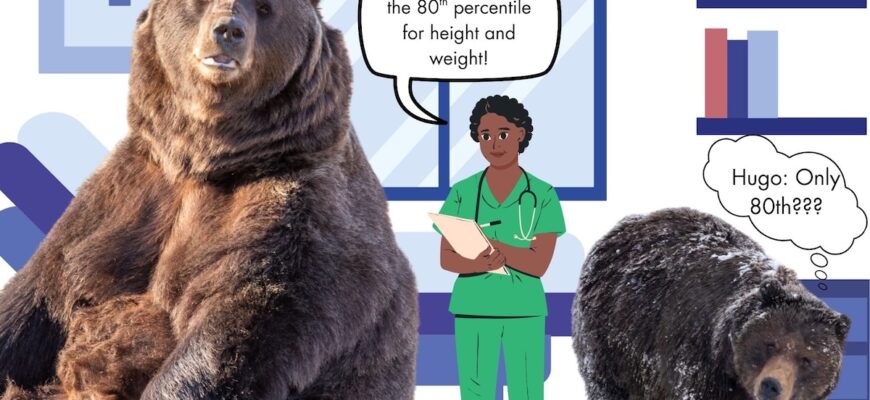
A grizzly bear is a subspecies of brown bear found inland in North America, usually with a shoulder hump, while other brown bears include coastal types.
Relationship
The grizzly bear is a subspecies of brown bear (Ursus arctos horribilis) found in inland North America. All grizzlies are brown bears, but not all brown bears are grizzlies.
Appearance
Grizzlies have a prominent shoulder hump, a dished face and long claws. Coastal brown bears (Kodiak, Alaska Peninsula) are larger.
Size
Grizzlies: 400 to 800 lb. Kodiak bears: up to 1,500 lb.
Range
About 55,000 brown bears live in Alaska. Roughly 1,900 grizzlies live in the lower 48 states, which are listed as threatened under the Endangered Species Act.
Diet
Omnivores: fish, berries, roots, and meat.
Safety
Carry bear spray in bear country and store food properly.
Taxonomy
The grizzly is not a different species. It is a subspecies of brown bear, Ursus arctos horribilis, found in North America. Other subspecies include the Kodiak bear (Ursus arctos middendorffi) and the Eurasian brown bear (Ursus arctos arctos).
Naming
The word “grizzly” refers to the grizzled, silver tipped fur, and the name usually refers to brown bears in the interior regions of North America, while coastal brown bears are the ones commonly called “brown bears”.
Size
- Coastal brown bears with access to salmon can grow much larger, with males frequently weighing 600 to 1,200 pounds.
- Inland grizzlies commonly weigh 300 to 800 pounds for males and 200 to 450 for females.
- Kodiak bears are the largest, and males may reach 1,500 pounds.
Shoulder hump
Both have a muscular shoulder hump used for digging. Their long, straight claws, up to 4 inches, are used for digging roots, dens and prey.
Diet
Brown bears are omnivores. They eat grasses, roots, berries, nuts, insects, fish, carrion and mammals such as elk calves. A bear can eat up to 20,000 calories a day in autumn when fattening up for hibernation.
Population
The lower 48 US states had about 50,000 grizzlies historically. Today about 2,000 to 2,200 remain in the lower 48, mainly in Montana, Wyoming and Idaho, and they are protected as a threatened species under the Endangered Species Act. Alaska has about 30,000 brown bears.
Hibernation
Bears enter dens in October or November and emerge in March to May, living off stored fat. They are not true hibernators, since their body temperature only drops a few degrees.
Safety
- Carry bear spray where recommended and know how to use it. Studies show bear spray stopped aggressive bears in about 90% of cases.
- Make noise on trails, hike in groups and store food in bear resistant containers.
- Stay at least 100 yards from bears, according to the National Park Service.
Classification and habitat
Grizzly bears are a subspecies of the brown bear (Ursus arctos horribilis) found in North America, while other brown bears live in Europe, Asia and Alaska’s coast. Coastal brown bears in Alaska, such as those on Kodiak Island, grow larger because of access to salmon, with males reaching up to 1,500 pounds, while inland grizzlies typically weigh 300 to 600 pounds for males. The distinctive shoulder hump is a mass of muscle used for digging. Grizzlies have long, slightly curved claws about 2 to 4 inches long and a dished face profile. There are about 55,000 brown bears in North America, and roughly 1,900 grizzlies in the lower 48 states, according to US Fish and Wildlife Service estimates.
Behavior and safety
Brown bears hibernate for about 5 to 7 months, depending on climate. They are omnivores that eat roots, berries, insects, fish and mammals. In bear encounters, experts recommend carrying bear spray, which studies of encounters found stopped aggressive behavior in about 92 percent of cases, making noise on trails, and never running. If a grizzly attacks defensively, play dead by lying on your stomach with hands behind your neck. Store food in bear resistant containers, and keep a clean camp. Grizzlies in the lower 48 are listed as threatened under the Endangered Species Act.
Based on data from the US Fish and Wildlife Service and the National Park Service